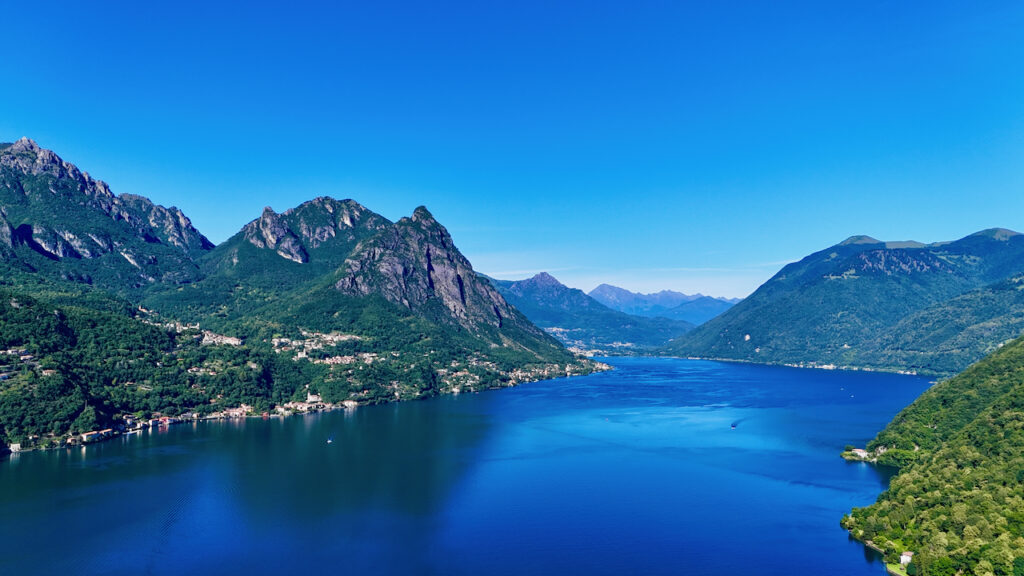
The Lake Ceresio, also known as Lake Lugano, is a pre-Alpine lake of glacial origin that forms part of the Italian basin in the province of Como, in Lombardy, shared with the Canton of Ticino in Switzerland. It covers a total surface area of 48.9 km², reaches a maximum depth of 288 meters, and lies at an altitude of 270 meters above sea level. The origin of its name is the subject of three etymological hypotheses: from the Latin cherry (for the "bluer than the sky" color of its waters, according to local tradition), from classical Latin in the sense of "intense blue", or from the Celtic keresius in the sense of "branched" — the latter hypothesis is consistent with the branched structure of the basin. The first documentary mention of the lake is attributed to Gregory of Tours, who in 590 AD defined it Lake Ceresius.
The Italian territory of Ceresio is divided into five valleys — Cavargna Valley, Rezzo Valley, Valsolda, Intelvi Valley (northern orographic side) and Sanagra Valley —and in a valley that connects it to Lake Como. Overlooking the lake are historic villages made famous by literature: Antonio Fogazzaro he set his work here Small ancient world (1895), whose main setting is the Valsoldese hamlet of Oria, where the writer's home can now be visited as a FAI property. Historically, the Italian-Swiss border that crosses the lake was set by the Treaty of Varese of 1752, which ended the disputes between the Duchy of Milan and the Swiss Cantons.
The Treaty of Varese of 1752
The Treaty of Varese, signed on August 2, 1752, ended more than two centuries of border disputes between the Duchy of Milan — then under Habsburg domination — and Swiss cantons Confederates. The agreement established the border along the median axis of the lake, a then-innovative cartographic principle that allowed for the precise definition of customs, fishing, and navigation jurisdictions, which until then had been the subject of recurring skirmishes. Curiously, the Italian-Swiss border that today runs through Lake Ceresio still follows the criteria established in Varese by those 18th-century plenipotentiaries: a rare diplomatic stability, considering that the treaty survived intact Napoleonic rule, the unification of Italy, and both world wars.
The Ceresio boat – four centuries of lake mobility
Regular navigation on Lake Ceresio has been documented since 16th century, when sailing and rowing boats connected the villages on the Italian and Swiss shores, transporting goods, pilgrims and smugglers. The first steamboat, the Ceresio, entered into service in 1848, and since then the line navigation has never stopped: today the Lugano Lake Navigation Company (SNL) operates seven boats that connect Porlezza, Osteno, Lugano, Gandria and the smaller villages, keeping alive a tradition of mobility that predates the advent of the road by three centuries. In the summer, historic boats such as the Italy (1908) they return to service for panoramic cruises, offering a perspective on the lake unchanged since the time of Stendhal and Manzoni.
Punta di San Mamete and the Gandria shore
La San Mamete Point, a rocky promontory that juts out into the heart of the northern basin, is one of the most famous panoramic points of Lake Ceresio: from here the gaze simultaneously embraces the Swiss shore of Gandria A medieval village clinging to the north face of Monte Brè and accessible only by lake or along the olive grove trail, it is surrounded by the mountain range that encloses the Valsolda valley. The area's microclimate, tempered by the lake's deep waters, supports Mediterranean vegetation unique to this latitude: centuries-old olive trees, holm oaks, and cypresses grow wild alongside cultivated olive trees, the fruit of a millennia-old olive-growing tradition that makes Lake Ceresio one of the northernmost olive-growing basins in Europe.
Boating and sports on the lake
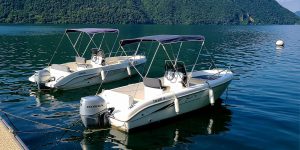
The waters of Lake Ceresio, up to 288 metres deep and protected by rigorous legislation CIPAIS (International Commission for the Protection of Italian-Swiss Waters) since the 70s, have hosted a varied sporting practice: the sail, with the Ceresio Sailing Club active since 1965 in Porlezza, the boating competitive and amateur, the kitesurf on days with north winds, and numerous certified bathing beaches. The wind regime of the lake - in particular the Tivàn, morning thermal breeze, and the'Winter, an evening southerly wind—has shaped both navigation and sailing for centuries, transforming narrow lakes like Porlezza into natural training grounds. Sport fishing for whitefish, perch, and pike is regulated and a well-established practice in all the riverside villages.
Points of interest on Lake Ceresio
Borgo di Castello in Valsolda
Castle in Valsolda: a medieval village perched on Lake Ceresio, the birthplace of Paolo Pagani and a workshop for emigrant architects…
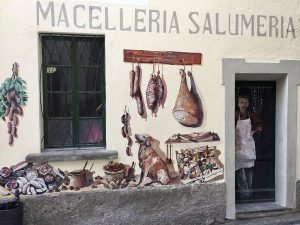
Painted Village of Claino
The Painted Village of Claino: an open-air museum of art, history, and architecture overlooking Lake Lugano.
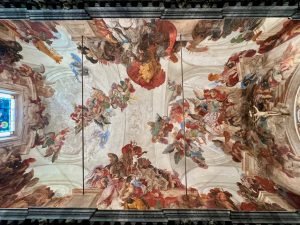
Church of San Martino in Castello Valsolda
Known as the "Sistine Chapel of Lombardy," it houses extraordinary frescoes by Paolo Pagani in the medieval village of Castello…
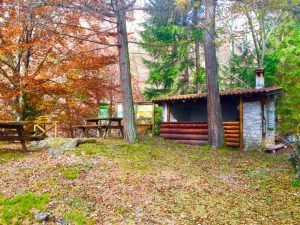
Valsolda Regional Forest
The Valsolda Regional Forest is Lombardy's first nature reserve, with 318 hectares of pristine nature between…
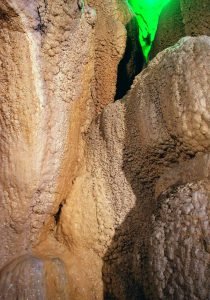
Rescia Caves
A small underground jewel on the shores of Lake Ceresio with stalactites, stalagmites, and the spectacular Santa...
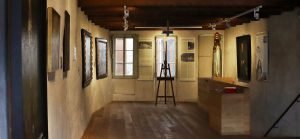
Pagani House Museum
Pagani House Museum in Castello Valsolda: the most important museum in Europe dedicated to the painter Paolo Pagani…
Restaurants on Lake Ceresio
Crotto Campo
A traditional trattoria nestled in the green woods of Valsolda. Wood-fired pizza and homemade desserts…
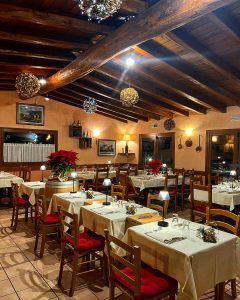
The Crotto del Lago
A historic restaurant since 1993 on the shores of Lake Ceresio in Porlezza, a hamlet of Cima. Traditional Lombard cuisine and…
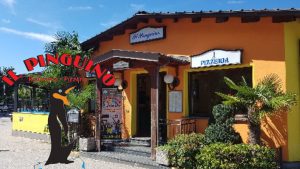
The Penguin
Historic restaurant and pizzeria in Porlezza since 1978. Neapolitan pizza from a wood-fired oven, Mediterranean cuisine, over 50 varieties...
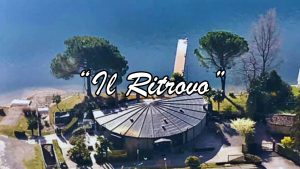
The Meeting
An exclusive restaurant on Lake Ceresio in Porlezza since 2001. Panoramic terrace, private dock for boats. Fresh fish, truffles...
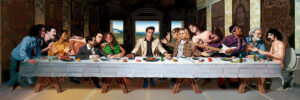
King Pub
The Warmth of the Sun at a Bar Counter. A pub in the heart of San Mamete Valsolda, with a welcoming atmosphere...
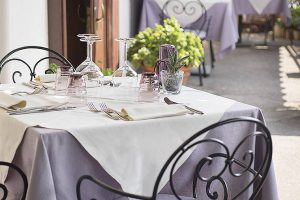
La Lanterna Inn
A restaurant serving revisited traditional cuisine led by Chef Pamela Paredi, located in the heart of Valsolda on Lake Ceresio. Ingredients…
Routes on Lake Ceresio
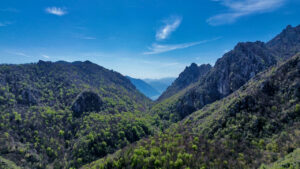
Ring between Val Rezzo and Valsolda
Discover the loop between Val Rezzo and Valsolda: in the secluded heart of a Ceresio valley. Route features:…
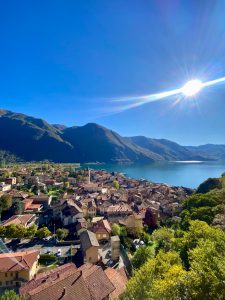
Walk of the 9 Bell Towers
An 8.5 km circular walk through Porlezza and its hamlets, passing nine historic bell towers. Suitable for…
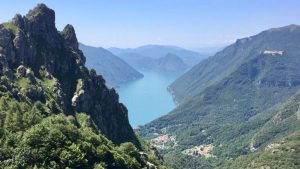
Valsolda Regional Forest
A circular hike in the Valsolda Regional Forest from Dasio. A trail through flora, fauna, waterfalls, autumn foliage, and panoramic views...
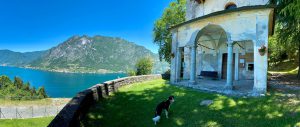
Walk from Claino to Santa Giulia
A relaxing walk from Claino to the Church of Santa Giulia (1630). Accessible route through the Painted Village,…
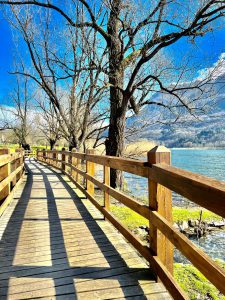
Porlezza-Menaggio Cycle/Pedestrian Path
A cycle/pedestrian route from Porlezza to Menaggio, from Lake Ceresio to Lake Como. 12 km between the Lake Reserve…
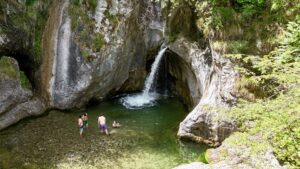
Begna Waterfall Trail (Poncì)
The route starts from the center of the hamlet of Begna, near the Oratory of San Giuseppe, where you can leave your car. After crossing…
Accommodation facilities on Lake Ceresio
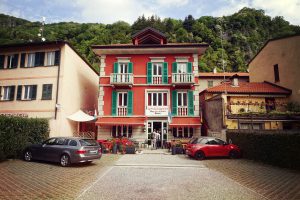
B&B Caffè del Viaggiatore
A welcoming Bed & Breakfast in the heart of San Mamete, overlooking the shores of Lake Lugano. The…
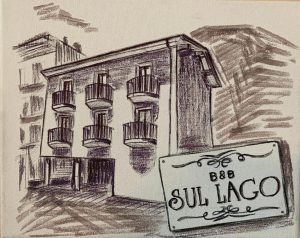
B&B on the Lake
Welcome to B&B Sul Lago, your ideal retreat on picturesque Lake Ceresio. Located in Porlezza, a charming…
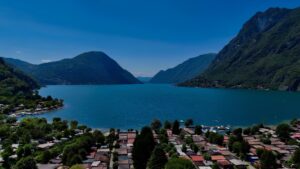
Camping La Sbianca
A tradition of hospitality on the shores of Lake Ceresio Camping La Sbianca is a family-run campsite…
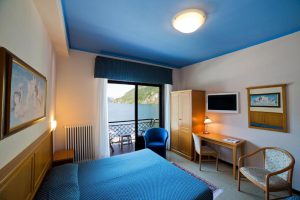
HOTEL EUROPA
Welcome to Hotel Europa, a charming and evocative retreat located in a privileged position offering breathtaking views…
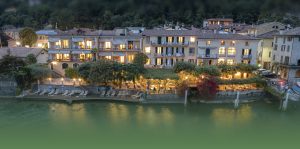
Hotel Stella d'Italia
Welcome to the Hotel Stella d'Italia, an elegant hotel that has welcomed guests on the shores of Lake Garda for over 110 years…
Shopping on Lake Ceresio

Fumagalli Food
Groceries in Claino con Osteno since 1992. Cured meats, cheeses, fresh bread, and locally sourced produce. Delicatessen, local products, and more.
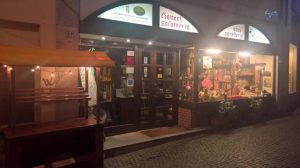
Manzolini Grocery Store, Porlezza
Alimentari Manzolini is Porlezza's historic store, open since 1930, where you can find select products, authentic flavors, and…

Hairstudio Beauty Center Turcati
Discover Hairstudio Beauty Center Turcati, your hair and beauty salon in San Mamete, Valsolda. Professional services…