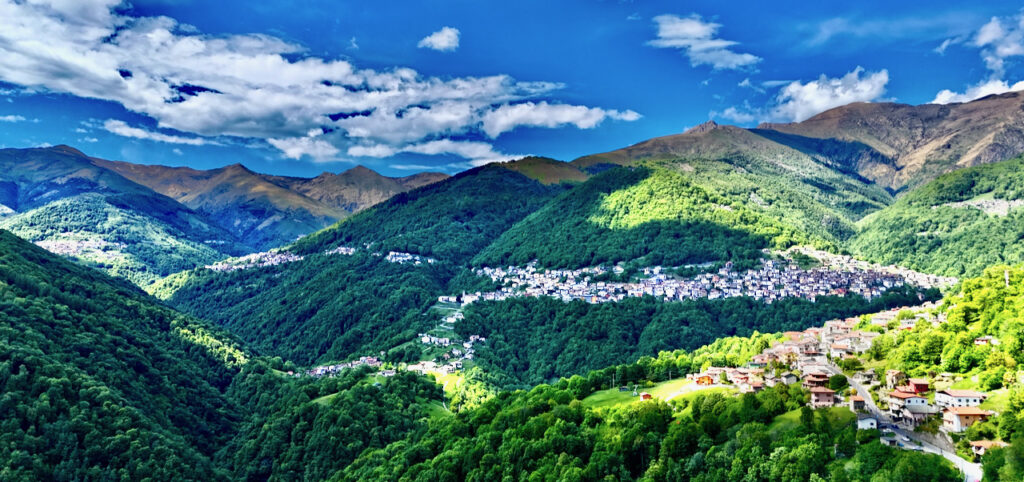
La Cavargna Valley It is a pre-Alpine valley in the province of Como, in Lombardy, located on the eastern bank of the Lake Ceresio on the border with the Canton of Ticino. It comprises five municipalities: Carlazzo (administrative capital, with the hamlet of Gottro which acts as the "gateway to the valley"), Cavargna — the highest municipality in the province of Como, over 1,000 meters above sea level — Pillow, San Bartolomeo Val Cavargna e San Nazzaro Val Cavargna, the third highest in the province at 995 metres. Historically, the valley belonged to the Pieve di Porlezza in the Duchy of Milan and has developed a strong identity around the craft of blacksmiths — itinerant tinsmiths who until the twentieth century travelled through Brianza, Bergamo and Lodi areas repairing copper and bronze pots, developing their own professional jargon called running.
The religious heart of the valley is the Sanctuary of San Lucio (1,542 metres above sea level, documented as early as the 13th century), patron saint of cheesemakers, reachable via hiking trails that cross the ancient Italian-Swiss border; the patronal feast on 16 August attracts shepherds and faithful from both sides of the Alps. The valley was the scene of the pastoral visit of Charles Borromeo in 1582, and today hosts two important museum institutions: the Cavargna Valley Museum, founded in 1982, and the Ethnographic Milk Museum in Carlazzo, which document the local rural civilization. Historically, there was significant mining activity there (iron mines mentioned since 1430). At the entrance to the valley, near Gottro, the Romanesque church of San Giorgio (12th century) and the Saltone Bridge, 136 meters high above the Cuccio stream gorge. The valley's official website is valcavargna.org.
The blacksmith's trade and rungin jargon
For centuries, until the twentieth century, the men of Val Cavargna travelled on foot along the Brianza, The Bergamasco and the Lodigiano as blacksmiths — itinerant tinsmiths specialized in the repair of copper and bronze pots, a trade that required a portable foundry, bellows, and a tin-coating technique passed down from father to son. During their long journeys, they spoke among themselves running, a secret professional jargon based on syllabic inversion and a specific lexicon drawn from the ancient Alpine romance, incomprehensible to clients — a tool for both professional identity and know-how protection. Cavargna Valley Museum, founded in 1982 in San Nazzaro Val Cavargna, today preserves the tools of the trade, the registers of trips and a section dedicated to the deciphering of the rungin, the last tangible testimony of a rural civilization now disappeared.
The pastoral visit of Charles Borromeo in 1582
In the autumn of 1582, the cardinal Charles Borromeo, Archbishop of Milan and a leading figure in the Counter-Reformation, undertook a pastoral visit to the most remote parishes of his diocese, reaching even the small communities of the Cavargna Valley on foot and by mule. The visit was a historic turning point for the valley: Borromeo ordered the reorganization of the parishes of Cavargna, San Bartolomeo, and San Nazzaro, imposed the correct keeping of parish registers, and ordered interventions on places of worship. The documents of the visit, now preserved in the'Diocesan Archives of Milan, constitute one of the richest documentary sources on rural life in the valley in the late sixteenth century, describing customs, population and economic conditions of an Alpine world otherwise devoid of written records.
Pizzo di Gino and border mountaineering
The Gino's Lace (2,245 metres), the highest peak on the ridge that separates the Val Cavargna from the Canton of Ticino, is a mountaineering gym frequented since the nineteenth century, when the first hikers of the Italian Alpine Club section of Como traced the classic routes. The standard climb, from Croce di Campo Refuge, crosses high-altitude pastures and passes by ancient trenches from the First World War built to defend the Italian-Swiss border. The crossing to the Mount Garzirola (2,116 metres), which closes the basin to the east, is one of the most evocative panoramic itineraries in the Lombard Prealps: on clear days the view ranges from the Pennine Alps to Monte Rosa, from Lake Como to the Bergamo Prealps.
The iron mines of 1430
Mining activity in Val Cavargna has been documented since the 1430, when ducal registers of the Duchy of Milan list iron quarries near Cavargna, Saint Bartholomew e Saint Nazareth, with a small, independent iron and steel district that included mines, reduction furnaces, and forges scattered along the Cuccio stream. The ore was extracted from surface outcrops and processed on site until the 18th century, when the depletion of the more accessible deposits and competition from the Bergamo ironworks caused its decline. Remains of the smelting furnaces are still visible along the paths of the Iron Path, a thematic route that crosses the valley, reconstructing the production chain through illustrated panels and marked stages.
Points of interest in Val Cavargna
Castel San Pietro
A small fortified medieval village suspended above Lake Piano. On the small hill of Montecchio del Brione,…
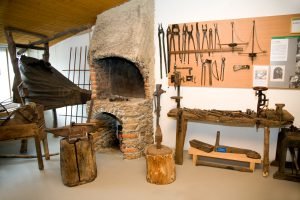
Valley Museum
Ethnographic Museum founded in 1982 in Cavargna, it recounts the traditions, crafts, and daily life of the Cavargna Valley through rooms…
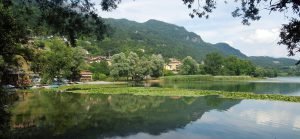
Piano Lake Nature Reserve
A protected nature reserve and EU Site of Community Importance in the Menaggio Valley, between Lake Como and…
Restaurants in Val Cavargna
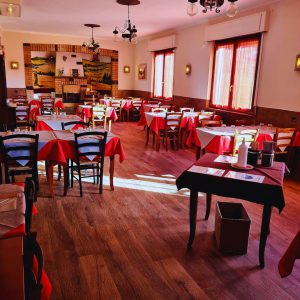
Ancient Trattoria Ponte di Pino
Authentic Lombard and Emilian cuisine at the foot of the Cavargna Valley. Specialties: homemade pasta, tigelle, and fried gnocco.
De Gusta
A snack bar in the Iperal shopping center in Carlazzo. Breakfast, lunch, aperitifs, and all-day dining. Burgers, piadinas, and other options...
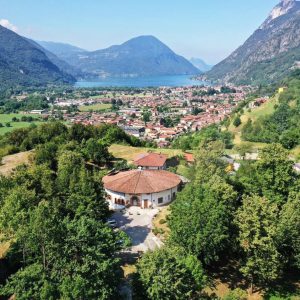
La Rotonda Pizzeria Restaurant
A restaurant overlooking Lake Ceresio since 1981. Traditional cuisine, game, pizzoccheri, and pizza. Family-run for over 40 years.
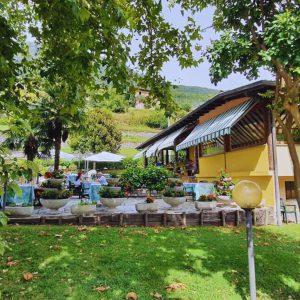
Laghetto Restaurant Pizzeria
A restaurant on Lake Piano since 1960. Traditional Lombard cuisine, a pizzeria with a wood-fired oven. Indoor dining room, veranda…
Routes in Val Cavargna
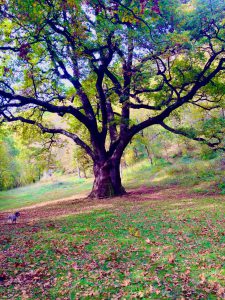
Discovering the Rogolone from Gottro to Codogna
Hike from Gottro to Codogna to discover the Rogolone, a monumental centuries-old oak tree. A trail through the woods, the Oratory of San…
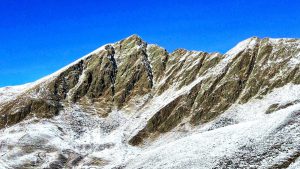
Gino's Lace
Hike to the highest peak in the province of Como (2,245 m). Alpine route from Tecchio with panoramic views…
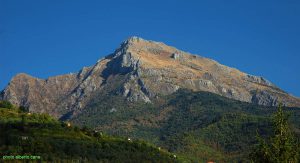
Gottro Mountains – Mount Pidaggia Trail
The Monti di Gottro – Monte Pidaggia Trail is a hiking trail immersed in the pristine nature of the Ceresio5Valli area.…
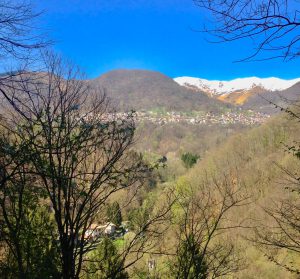
Via del Ferro between Carlazzo and San Bartolomeo
An ancient cross-border route along the Iron Road from Carlazzo to San Bartolomeo Val Cavargna. A historic route between…
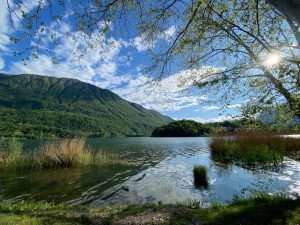
Visit to the Piano Lake Reserve
A circular hike in the Lago di Piano Nature Reserve from Carlazzo. An accessible route through reed beds, mills, and panoramic views…
Accommodation facilities in Val Cavargna
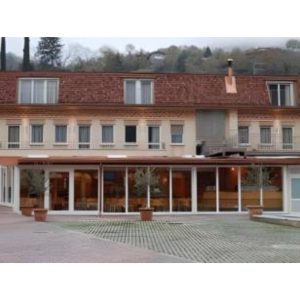
Concordia Hotel
Welcome to the Albergo Concordia, an oasis of tranquility in the heart of San Pietro Sovera, a hamlet of Carlazzo, immersed in the beauty…
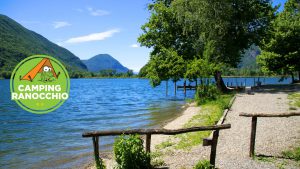
Camping Frog
Your Perfect Vacation Between Nature and Relaxation Since 1963, Camping Ranocchio has been synonymous with relaxation in a…
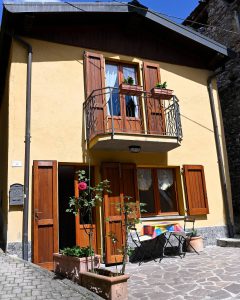
Joly House
Tourist accommodation between lakes and nature in Carlazzo. The panoramic location of the tourist accommodation in Carlazzo, Casa Joly, is located…