Description
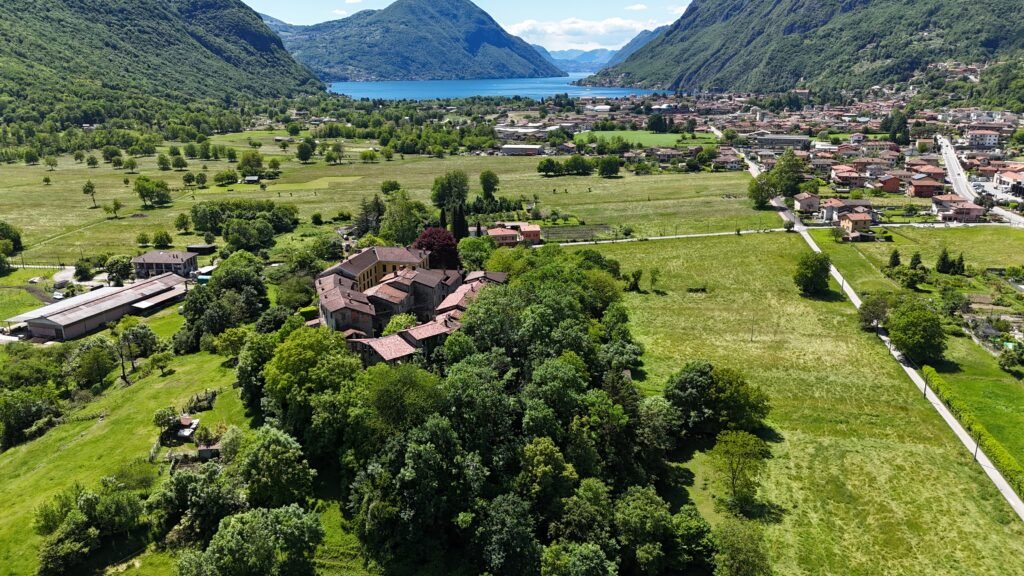
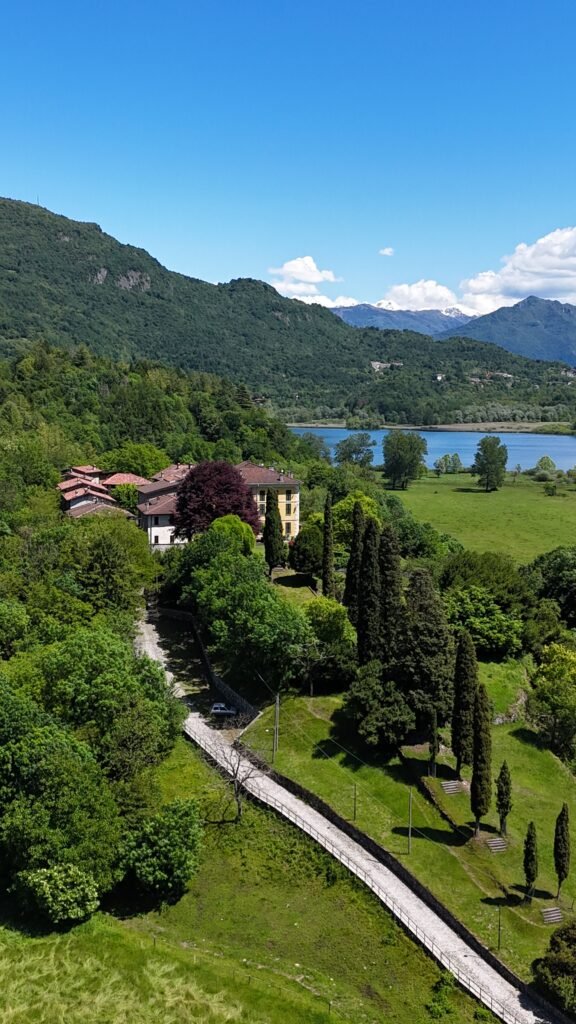
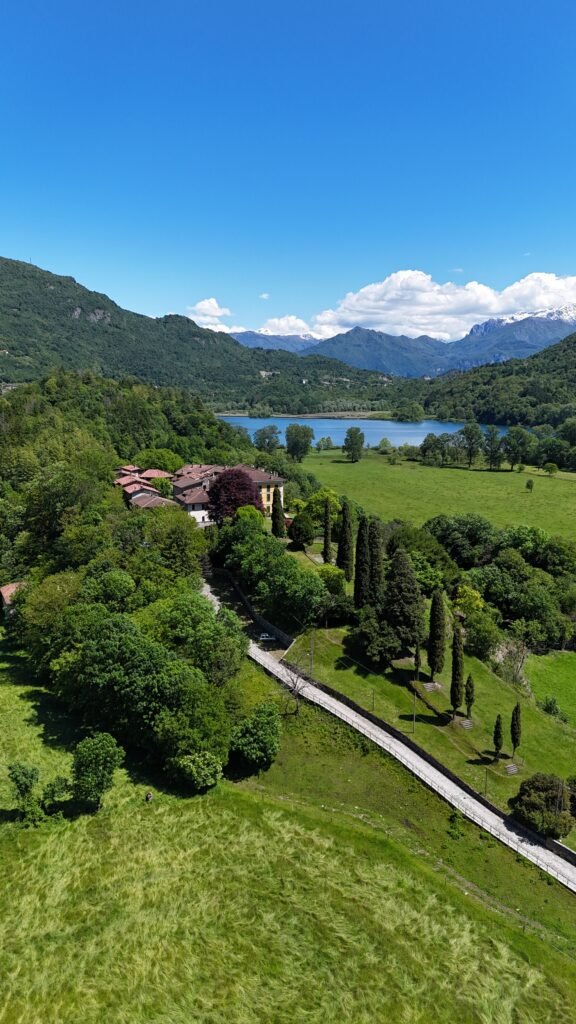
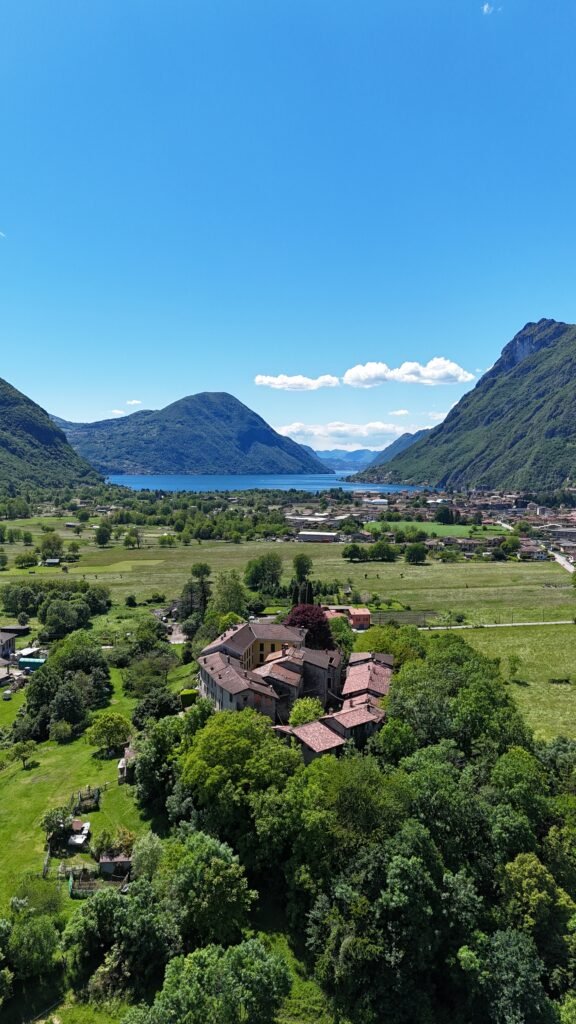
A small fortified medieval village suspended above Lake Piano
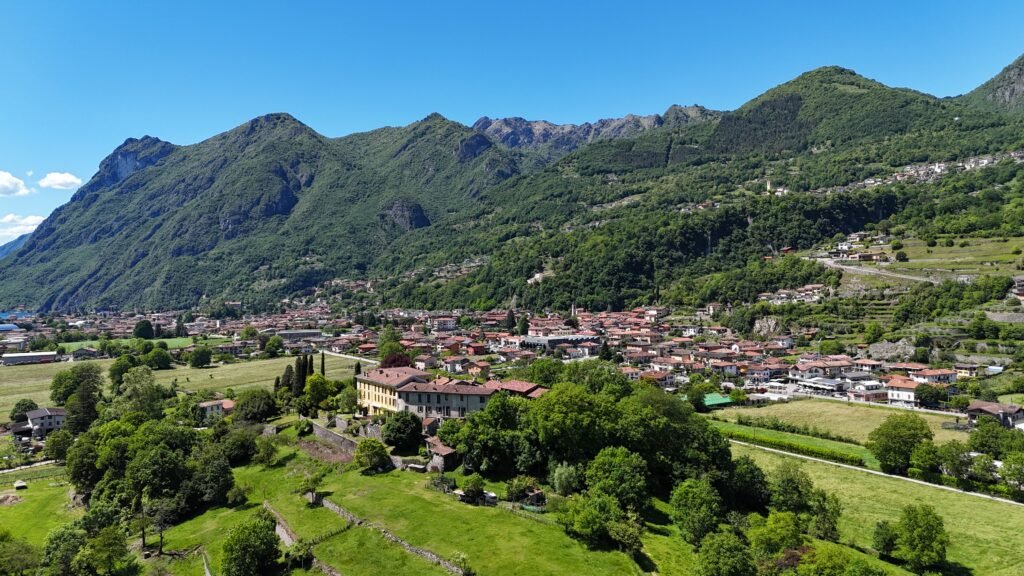
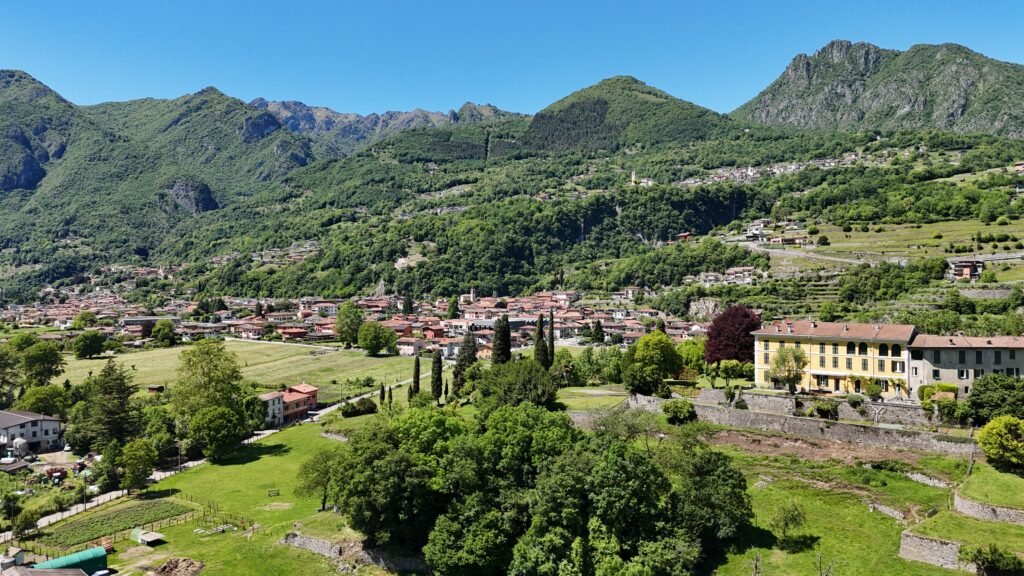
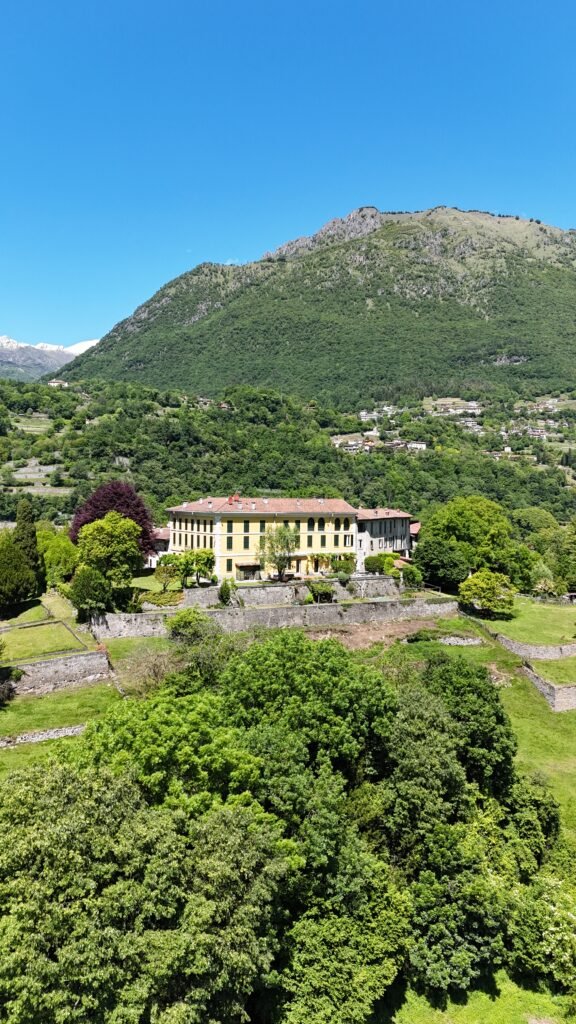
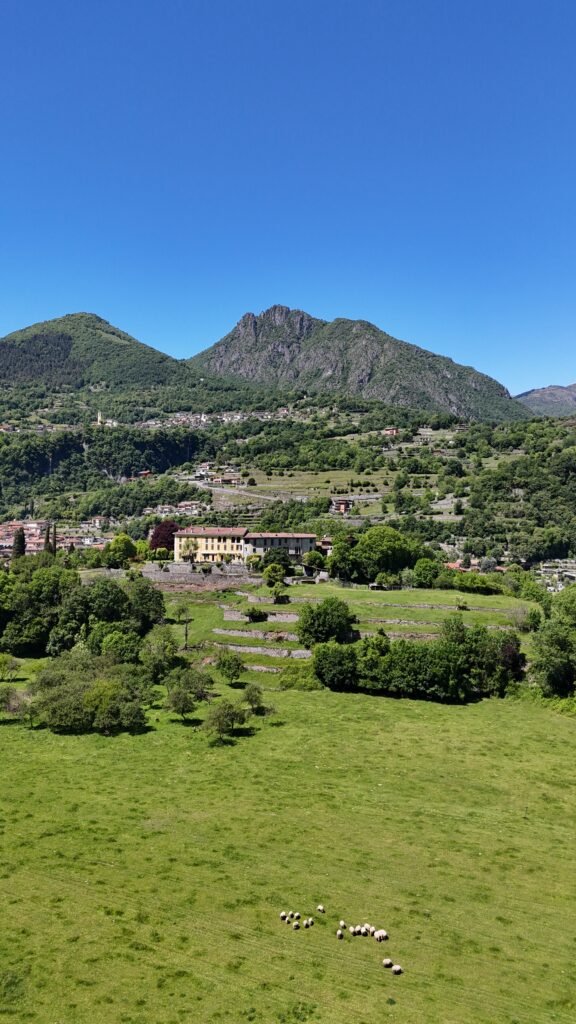
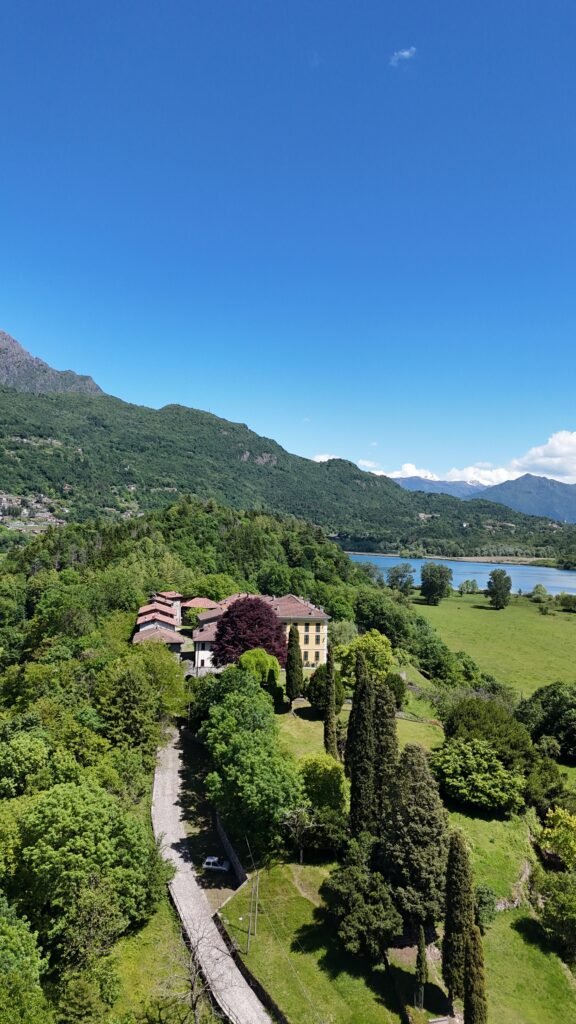
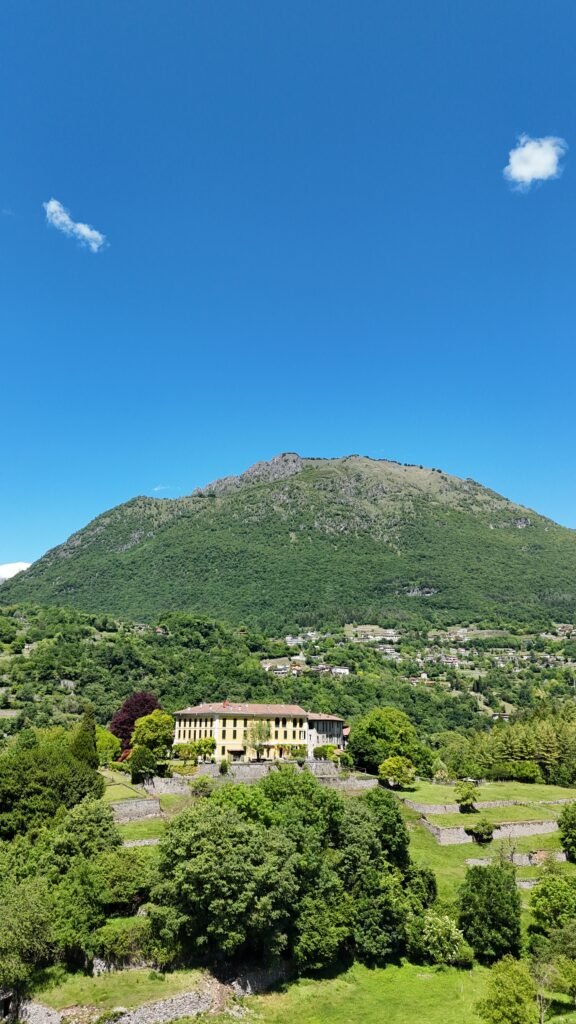
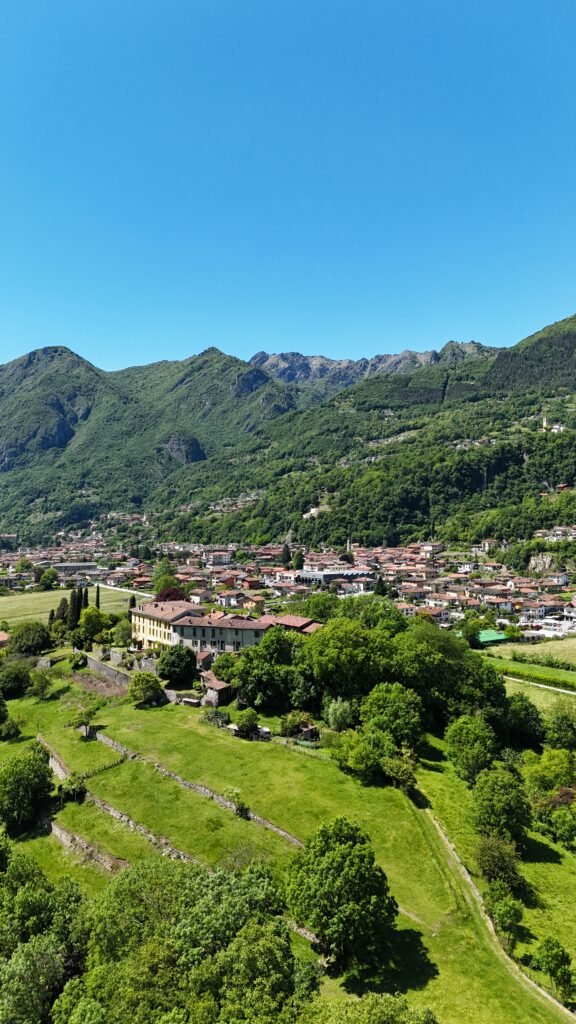
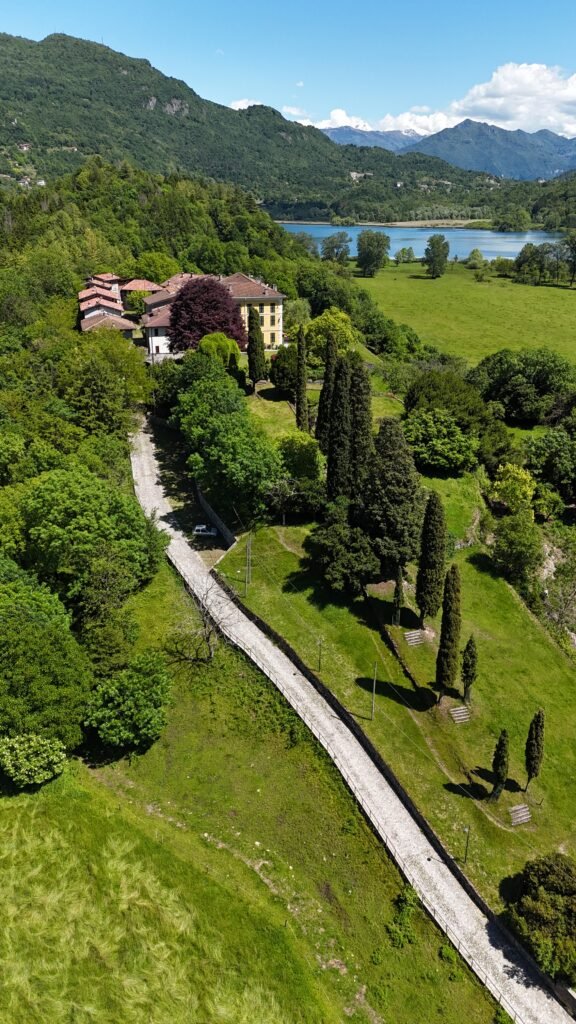
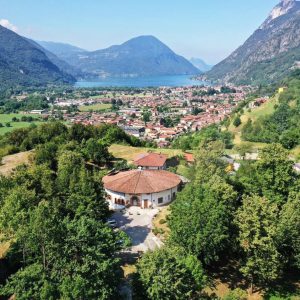
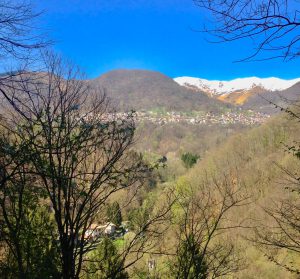
On the small hill of Montecchio del Brione, in a strategic position at the entrance to the roads that go up towards the Cavargna Valley and the Rezzo Valley, stands Castel San Pietro - a fortified historical nucleus that dominates the city from above Piano Lake Nature Reserve. It's one of those places that mass tourism hasn't touched: a few stone houses, walls, a tower house with an underpass, and the echoes of a history that dates back to the 12th century.
A thousand years of history in a few stones
Also known as Carlazzo Castle, the village was born as a defensive fortress during the ten-year war between Como and Milan (1118-1127). Originally a possession of the archbishops of Milan, in 1240 it passes under the jurisdiction of Como, with which it shares its fate as part of the Pieve of Porlezza.
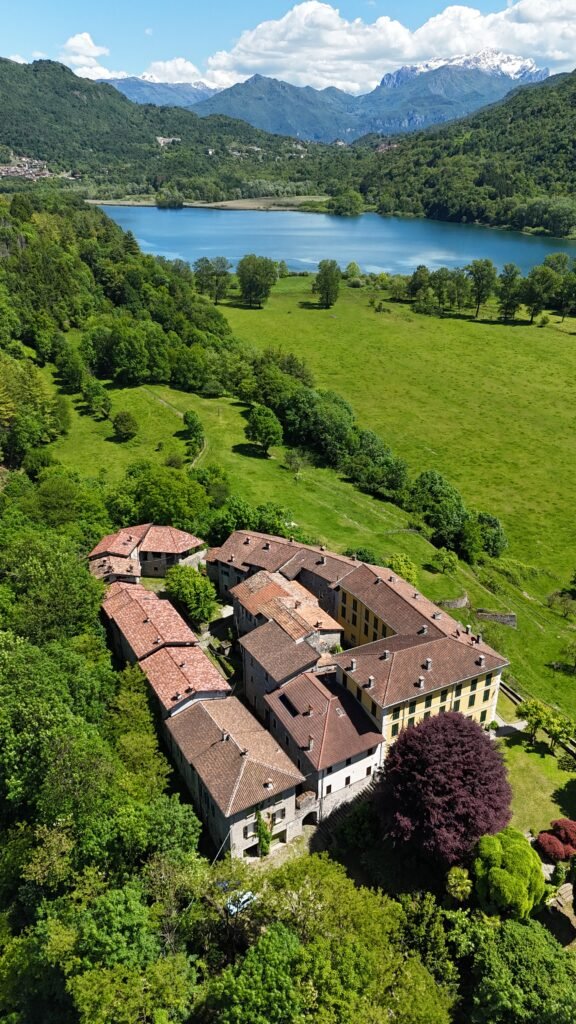
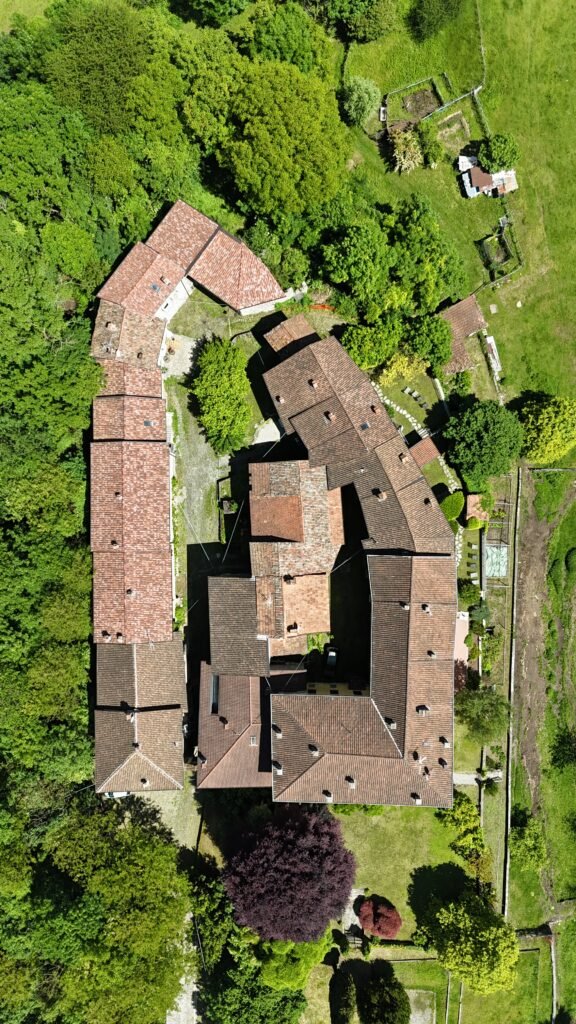
The original structure was a true defensive complex, with a ring of walls, towers, and gates enclosing the highest part of the town, used as a refuge during attacks. What remains today—walls, a tower house with an underpass, and several clustered courtyard houses—is due precisely to the solidity of the construction, which has withstood numerous sieges.
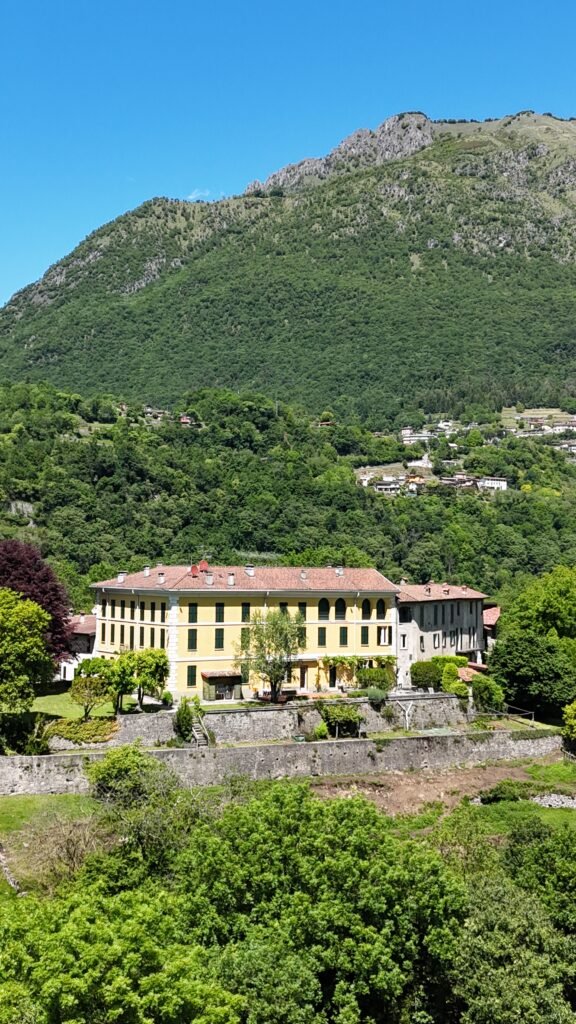
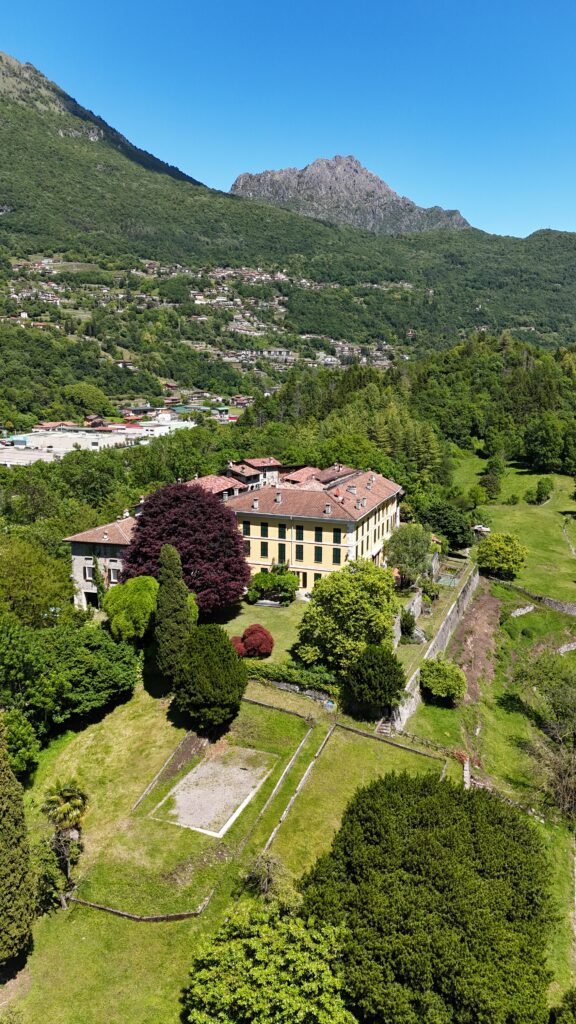
Around the 15th century the site was transformed into a fortified agricultural village, and in 18th century is enriched with Villa Sala, an elegant manor house, and a building dedicated to silkworm breeding (the “bigattiera”) — evidence of the ancient silk vocation of these valleys.
What do you see today?
- Remains of the walls and traces of the medieval defensive perimeter
- La tower house with underpass, architectural heart of the nucleus
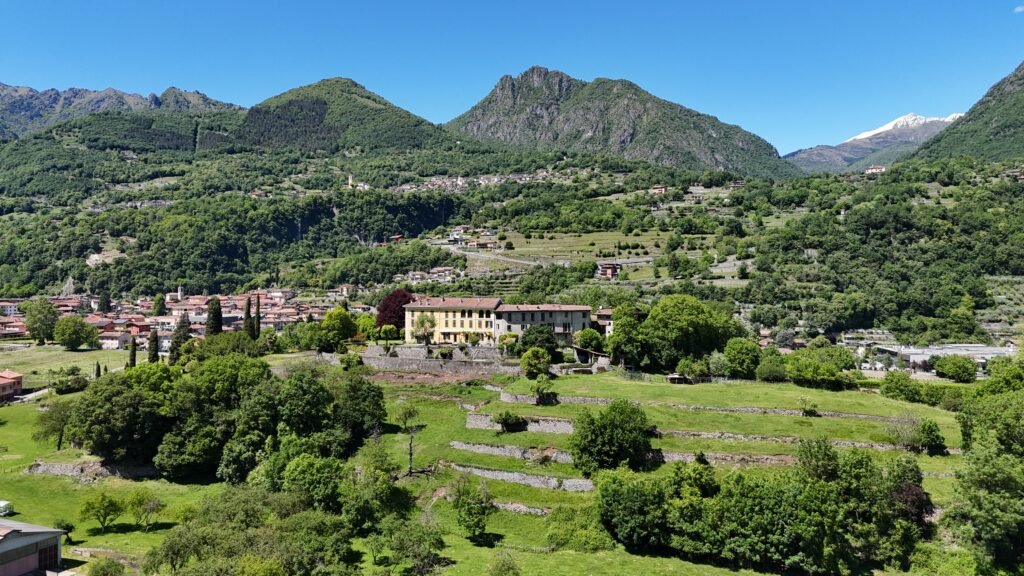
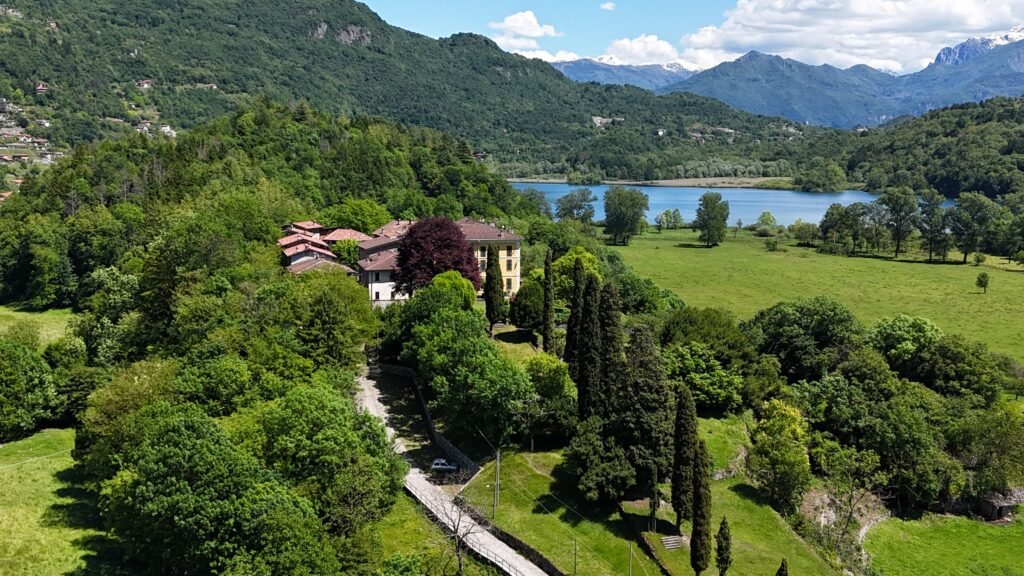
- Villa Sala, eighteenth-century residence
- The ancient one silkworm farm, memory of silkworm breeding
- The courtyard houses grouped together in the village, partly still inhabited
- Secondary paths branching off to hidden corners and further ruins
How to get there
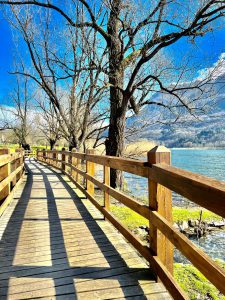
Castel San Pietro can be easily reached on foot from House of the Reserve of Lake Piano: after crossing the reeds and reaching the equipped beach of Rivetta, take the road that passes through pastures and riding stables and with a short climb you reach the historic center. From here the circular route of the Reserve it continues through the thick vegetation of the Brion area and descends towards the Porlezza-Menaggio cycle/pedestrian path.
Free parking is available near the Casa della Riserva. The village is open year-round: it's a small "open-air museum" where visitors can explore with respect for the private homes that are still inhabited.
When to go there
The village can be visited in any season, but the most suggestive combination is the spring — when the Reserve explodes with water lilies and the light cuts obliquely through the medieval walls — or the’fall, when the surrounding forest changes color and the atmosphere becomes almost suspended. In winter, with the frozen lake seen from above, it's a special setting for those seeking silence and landscape photography.
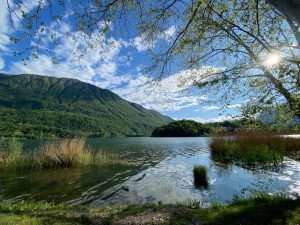
The Lake and Landscapes