Description
A journey into the bowels of the earth among stalactites and stalagmites
The Rescia Caves are a fascinating natural wonder located on the shores of Lake Ceresio. This complex of karst caves, unique in Lombardy, offers visitors an evocative journey through ancient limestone formations, plays of light, and the sounds of water.
In brief
A small underground gem on the shores of Lake Ceresio. The Rescia Caves offer a fascinating journey through stalactites, stalagmites, and the spectacular Santa Giulia Waterfall, offering a unique experience of nature and geology. Perfect for families and enthusiasts, they can be visited year-round and transform into an enchanting spectacle during the Christmas season.
History and geological formation
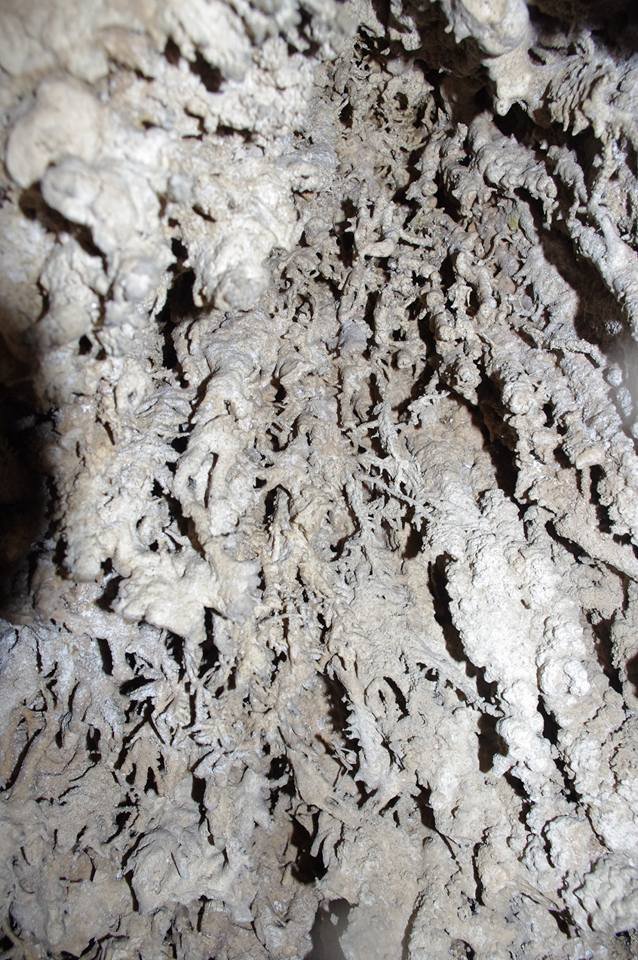
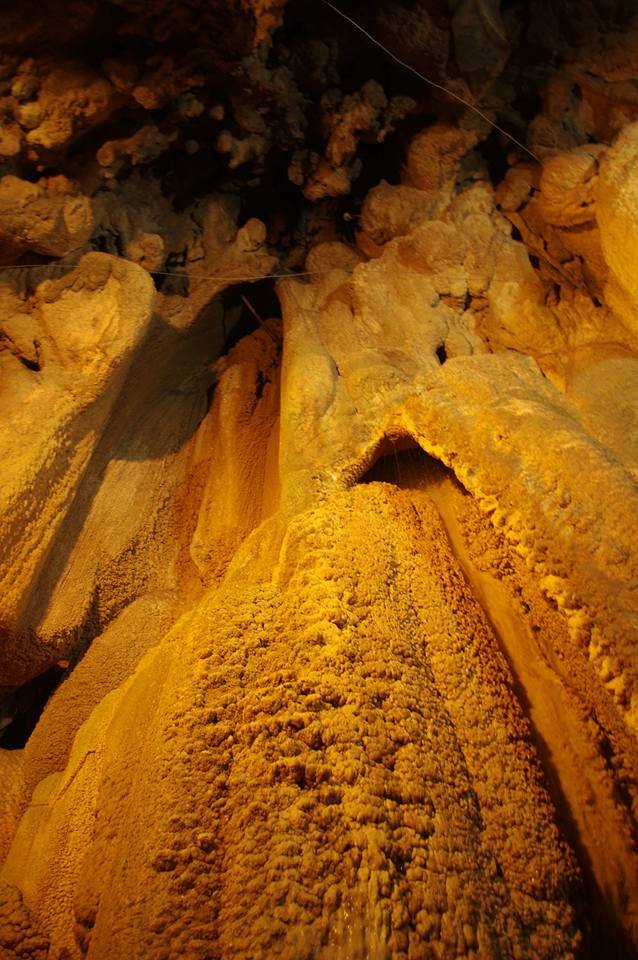
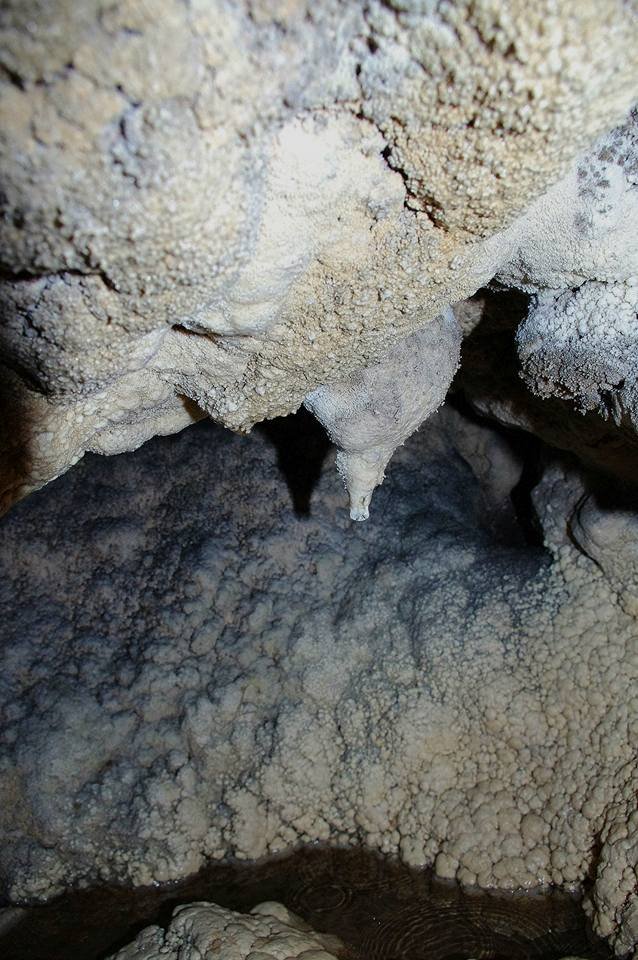
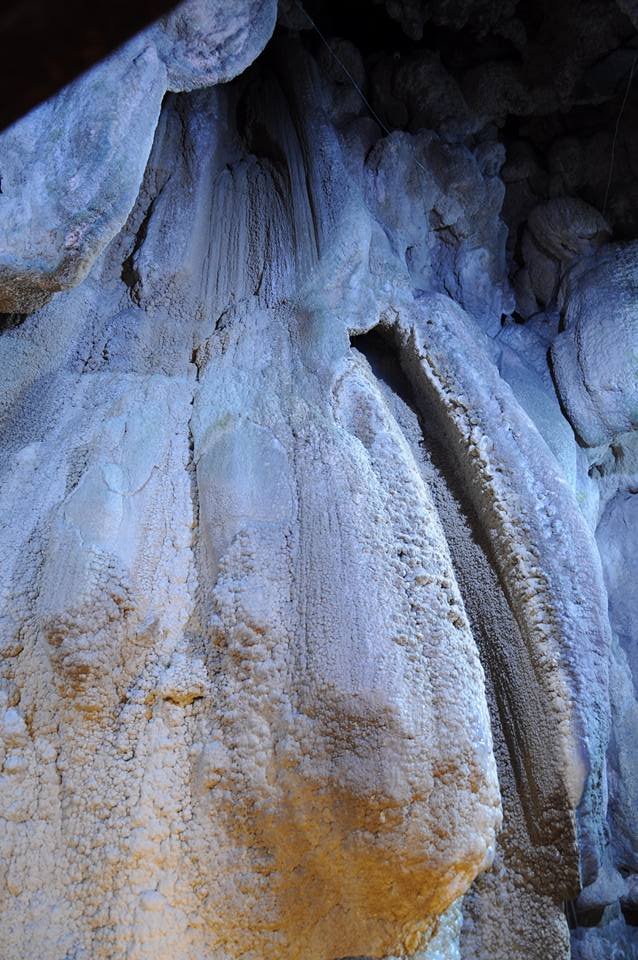
The caves' origins date back millions of years, when water carved cavities into the limestone rock, creating a spectacular underground environment. Discovered and opened to the public in the 19th century, the Rescia Caves are a rare example of karst erosion in the region, characterized by stalactites, stalagmites, and various concretions.
The visit route
The cave tour follows a 500-meter-long path that allows you to admire the spectacular rock formations. Among the most striking features are the Santa Giulia Waterfall, a mesmerizing internal waterfall, and the spacious rooms filled with natural columns and chromatic effects created by the minerals present in the rock.
An experience for the whole family
The Rescia Caves are an ideal destination for families, hikers, and geology enthusiasts. The trail is easily accessible and offers an immersive experience, perfect for those who want to discover the secrets of the underground without tackling overly challenging routes. During the holiday season, the caves are transformed for the "Christmas in the Cave" event, with evocative lighting and themed decorations.
Teaching Experience
The Rescia Caves offer a unique educational experience through a multilingual exhibition and educational trail, comprised of 14 information panels. This itinerary guides visitors through the geological wonders of the caves, illustrating their formation, the characteristics of the stalactites and stalagmites, and the history of the site. The caves can also be visited without a guide thanks to the educational panels along the route and the use of small flashlights, provided at the entrance.
Flora and Fauna
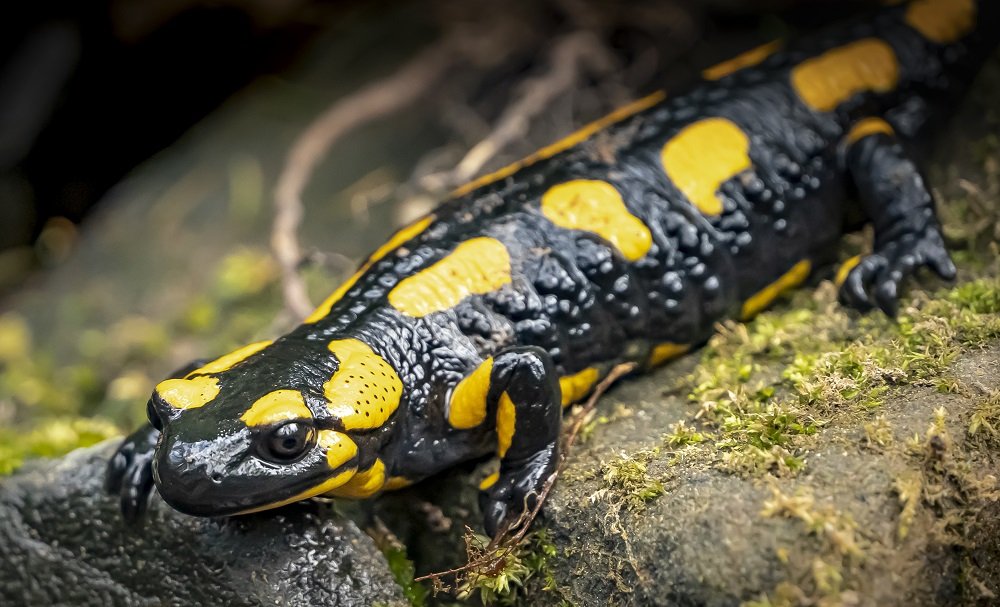
Outside the caves, the humid environment favors the lush growth of ferns and mosses. Local fauna includes salamanders, newts, frogs, toads, and dragonflies, indicators of a healthy and diverse ecosystem.
Geology: The Magic of Travertine
The Rescia Caves are a fascinating example of karst erosion. These caves were formed by deposits of travertine, a porous limestone formed by the precipitation of calcium carbonate from mineral-rich spring waters.
Gallery