Because the best way to discover the lake and its valleys is to have no plan
There's a paradox that seasoned travelers know well: the most beautiful places are found when you're not looking for them. This applies to back roads, to restaurants without signs, to breathtaking views around a bend that wasn't on the map. And it's especially true for the Lake Ceresio and the valleys that embrace it.
This isn't an article telling you what to do. It's an article telling you not to do it.
The problem of perfect programs
We live in the age of optimized itineraries. Every trip is broken down into stages with timetables, starred reviews, and routes calculated down to the minute. The result is that we arrive everywhere knowing everything, and we leave without having truly discovered anything.
The Lake Ceresio It doesn't work like that. It's not that kind of destination. There's no photo to take, no restaurant booked three months in advance, no trail everyone goes to at the same time. Here, the lake and its valleys reveal themselves slowly, piece by piece, to those who have the patience—or the wisdom—to take their time.
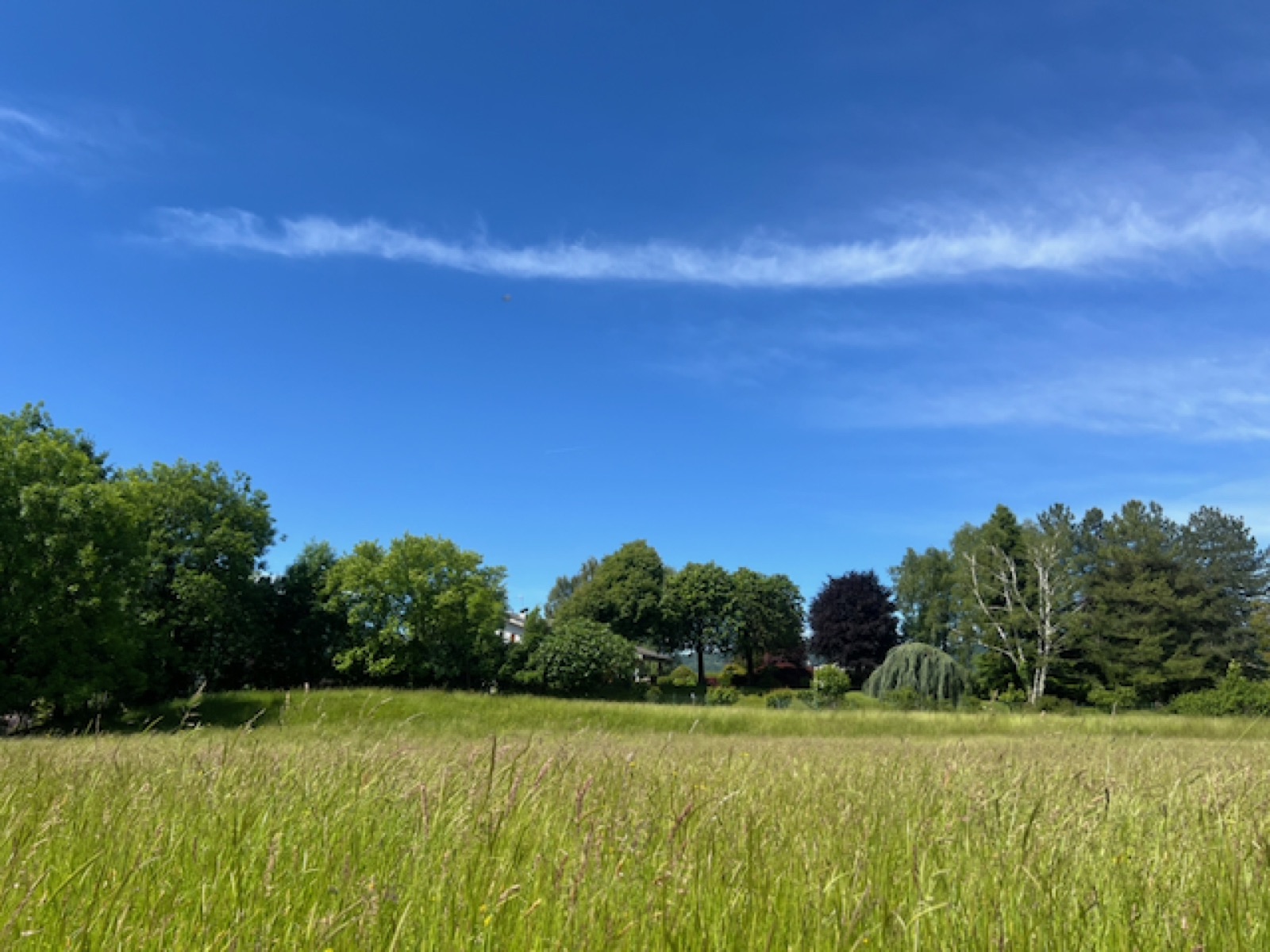
A territory that reveals itself to those who walk aimlessly
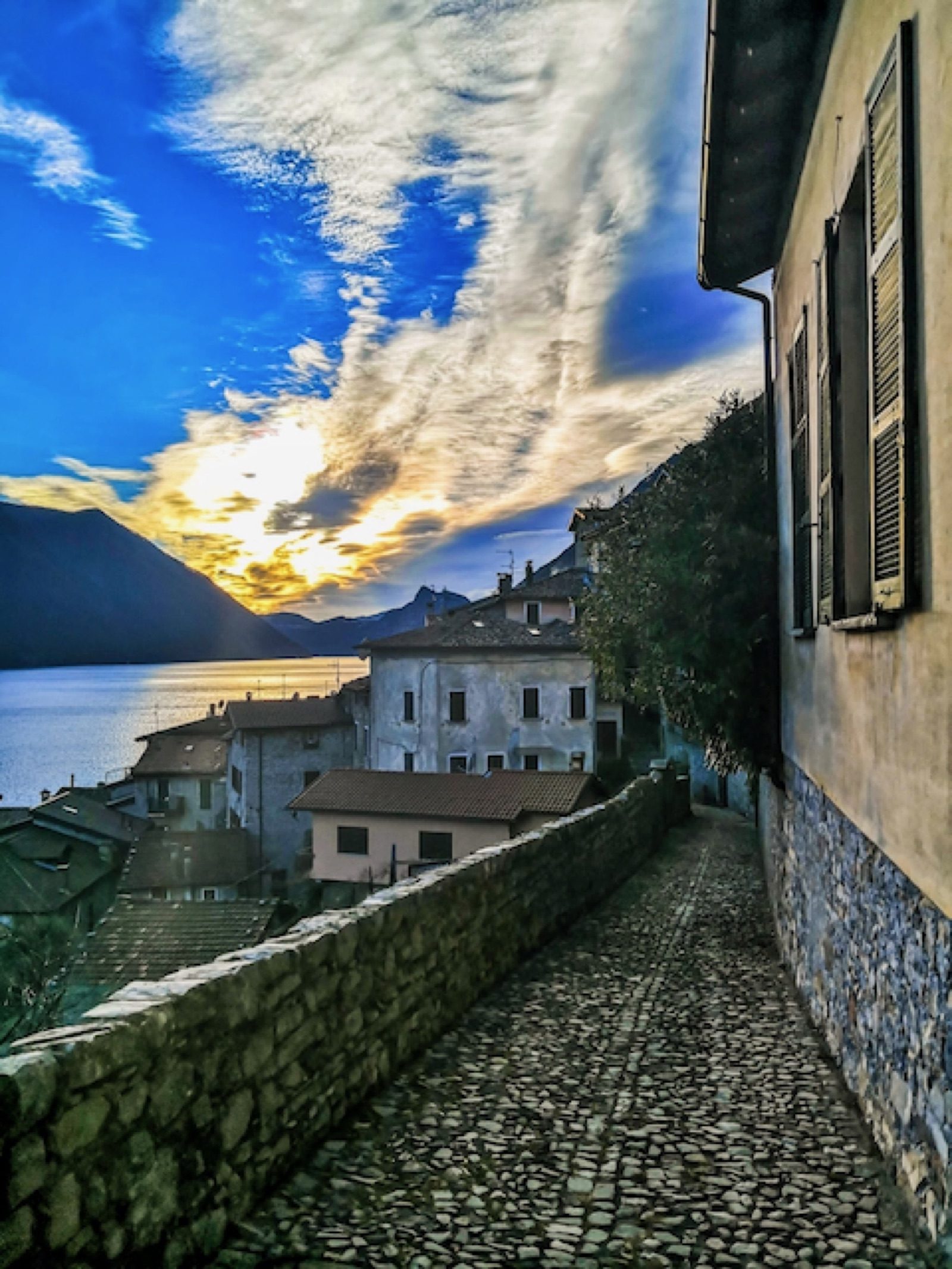
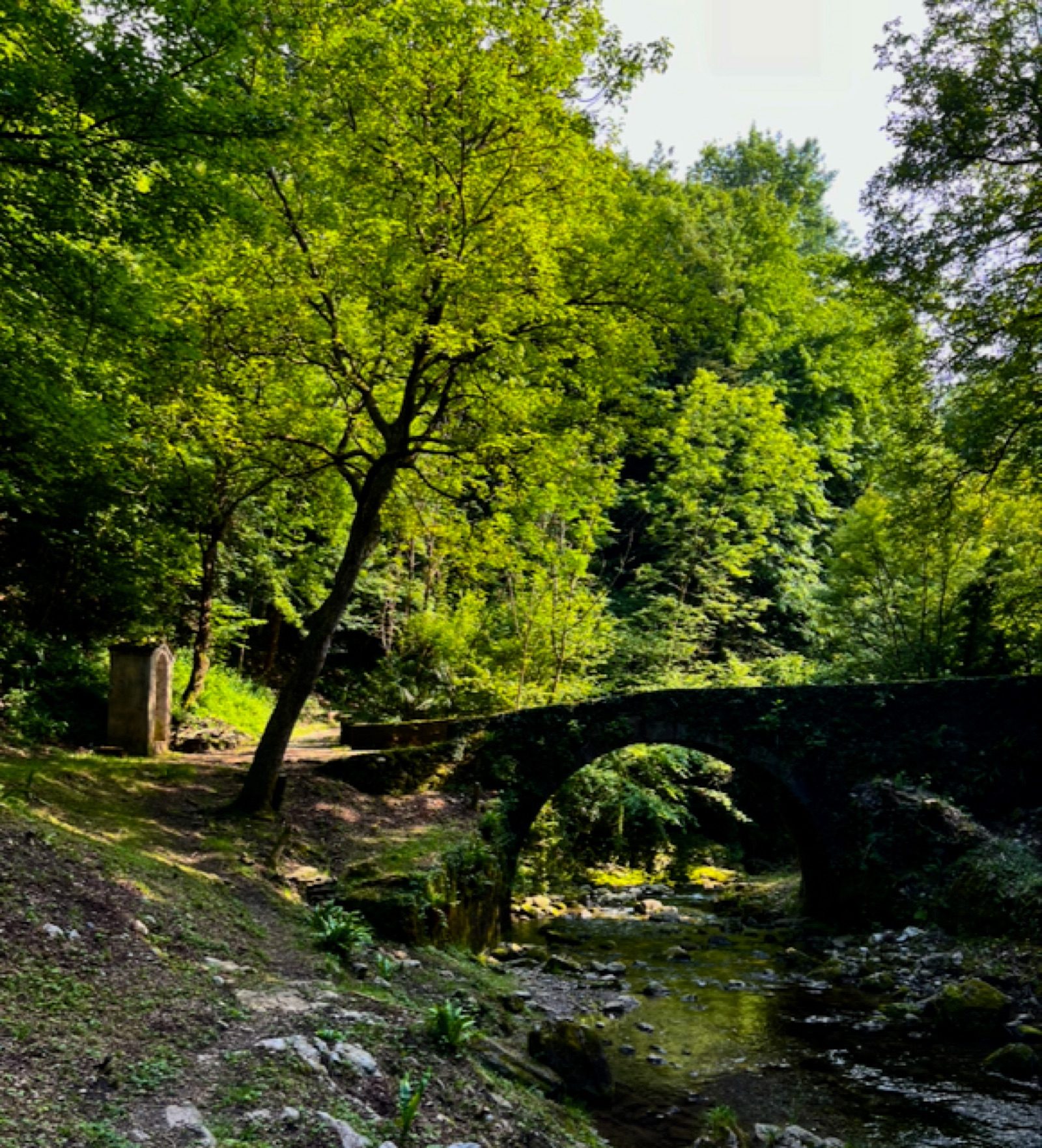
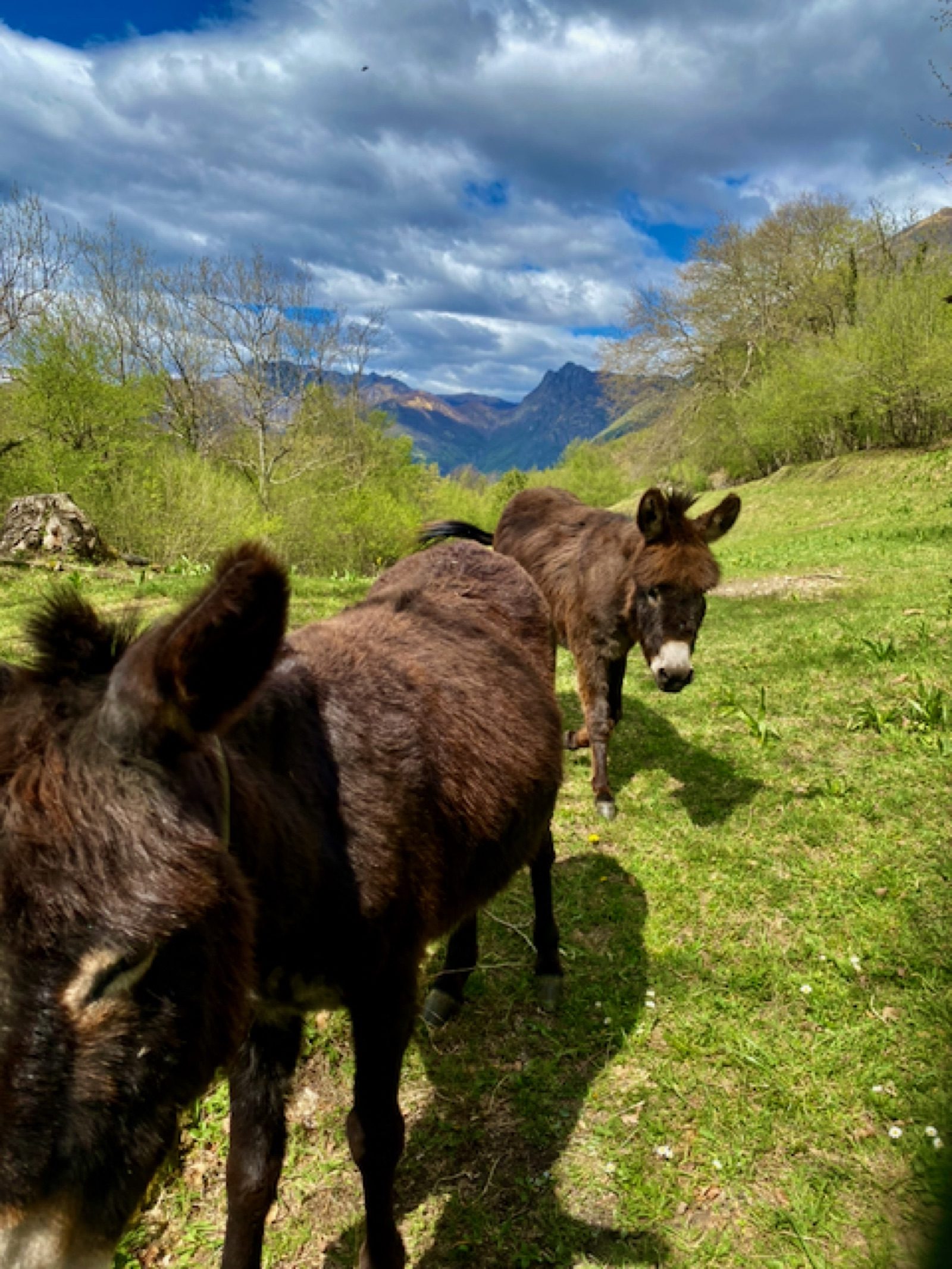
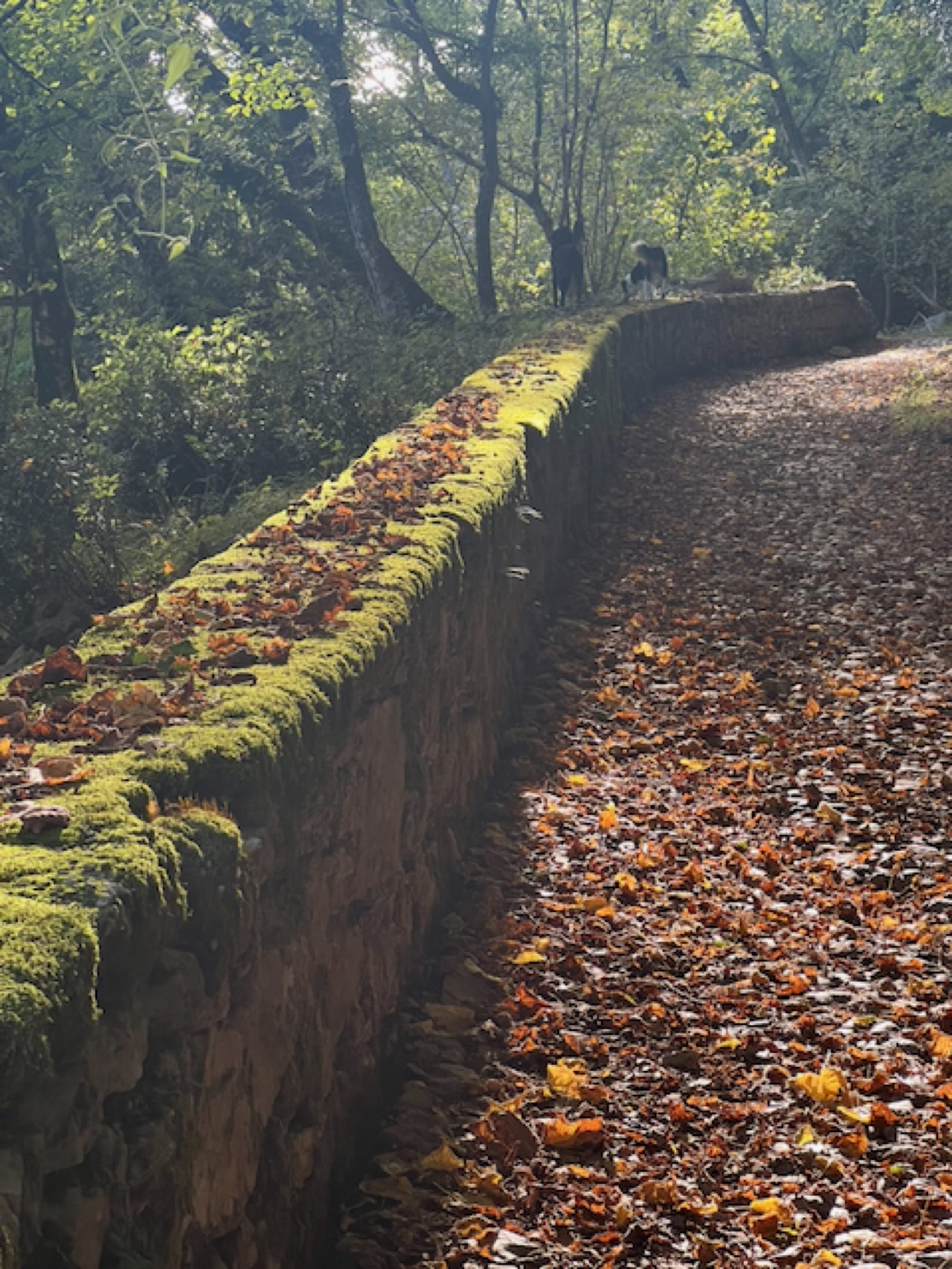
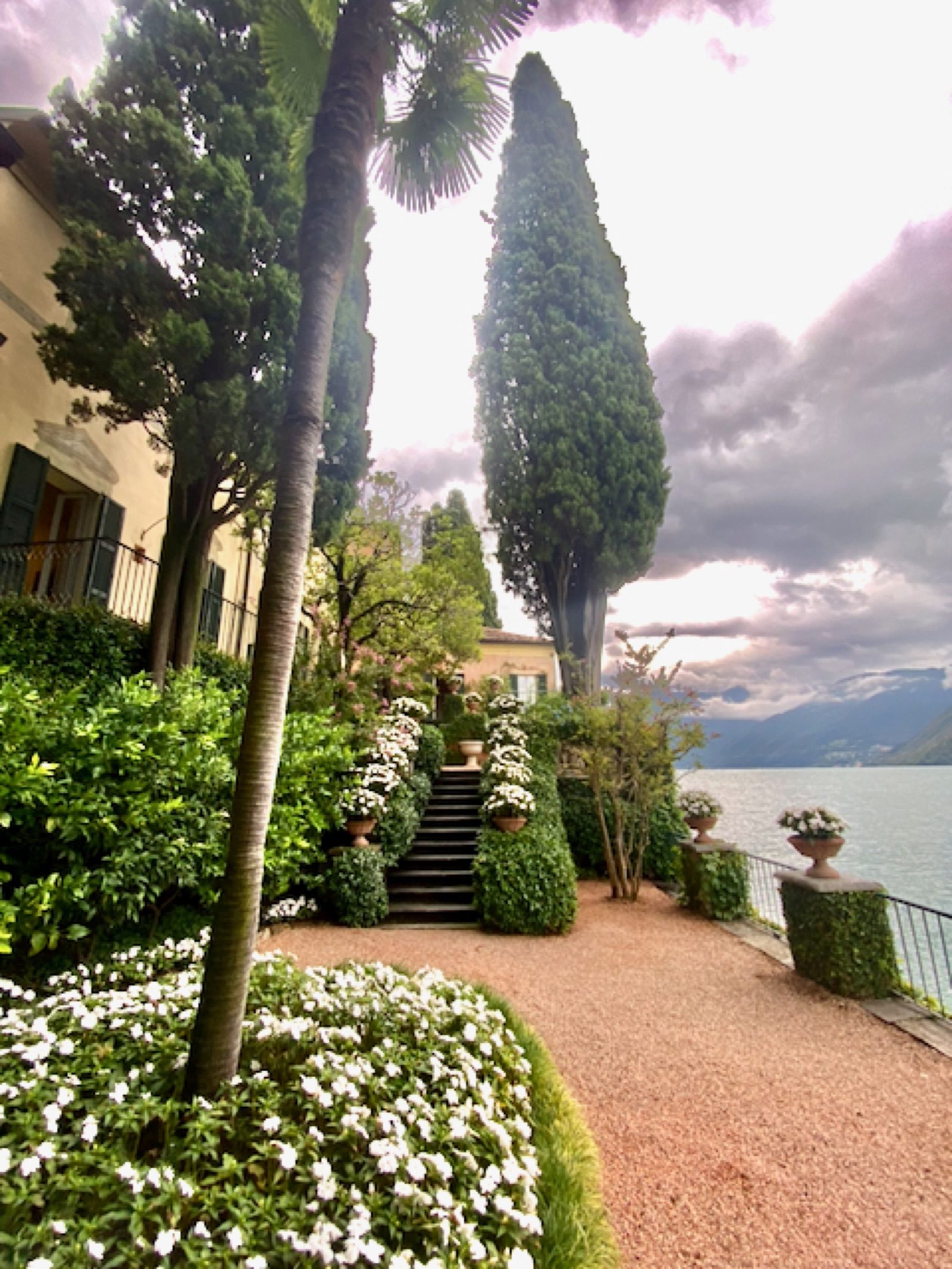
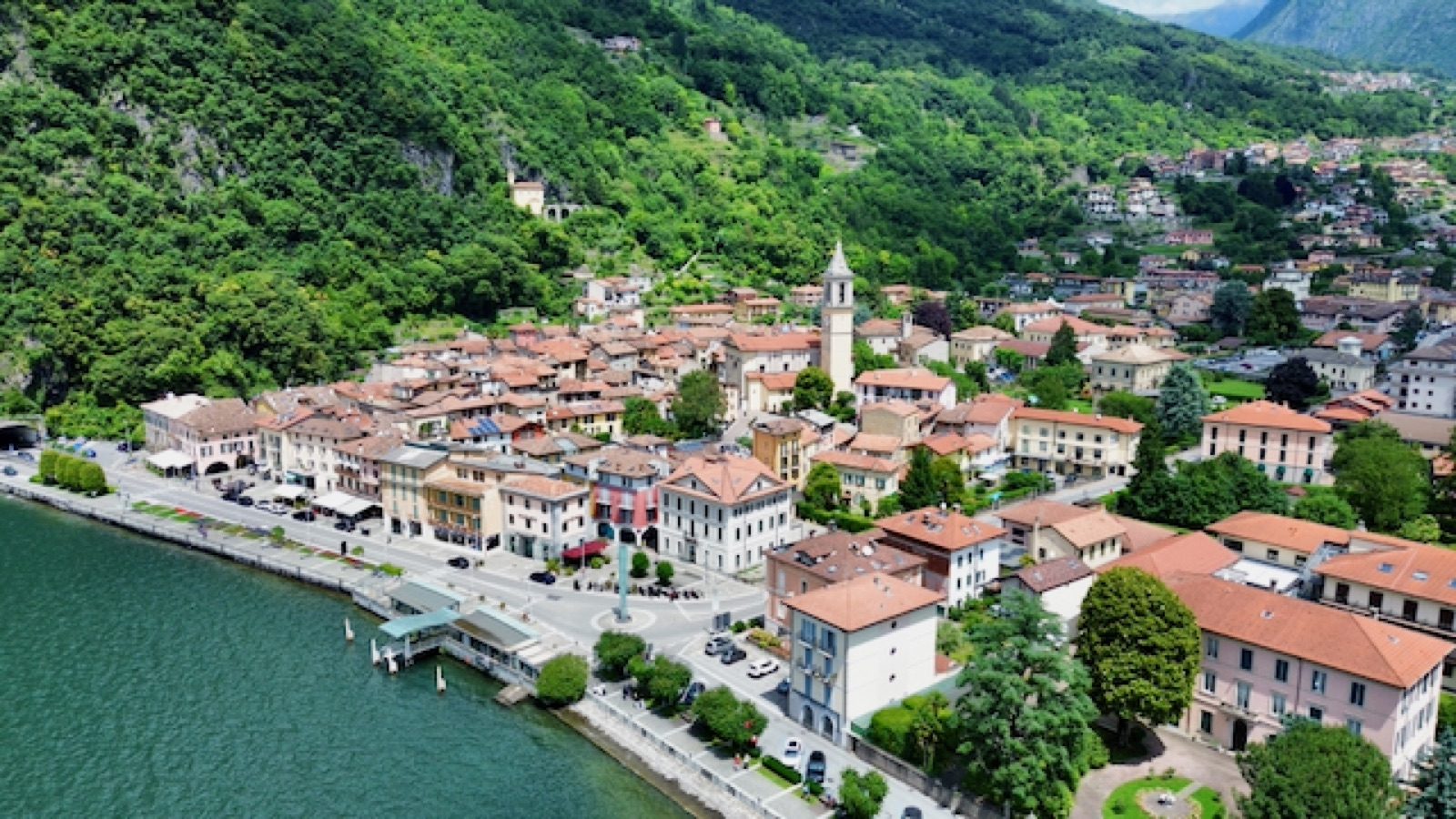
The 15 municipalities are scattered across valleys, ridges, and shores within a radius of just a few kilometers, yet each has a different character. Valsolda it has its villages clinging to the mountain overlooking the Swiss shore. Porlezza It is the lively heart where people meet on the lakeside. Carlazzo guards the Piano Lake Reserve, quiet and secluded. Claino with Osteno hides his Caves of Rescia in the belly of the mountain, reachable only by water. And then there are the valleys that rise upwards — the Cavargna Valley with its mountain pastures, the Rezzo Valley with the thick woods where the silence is still true, the basin of Grandola and United where the chestnut groves smell of autumn.
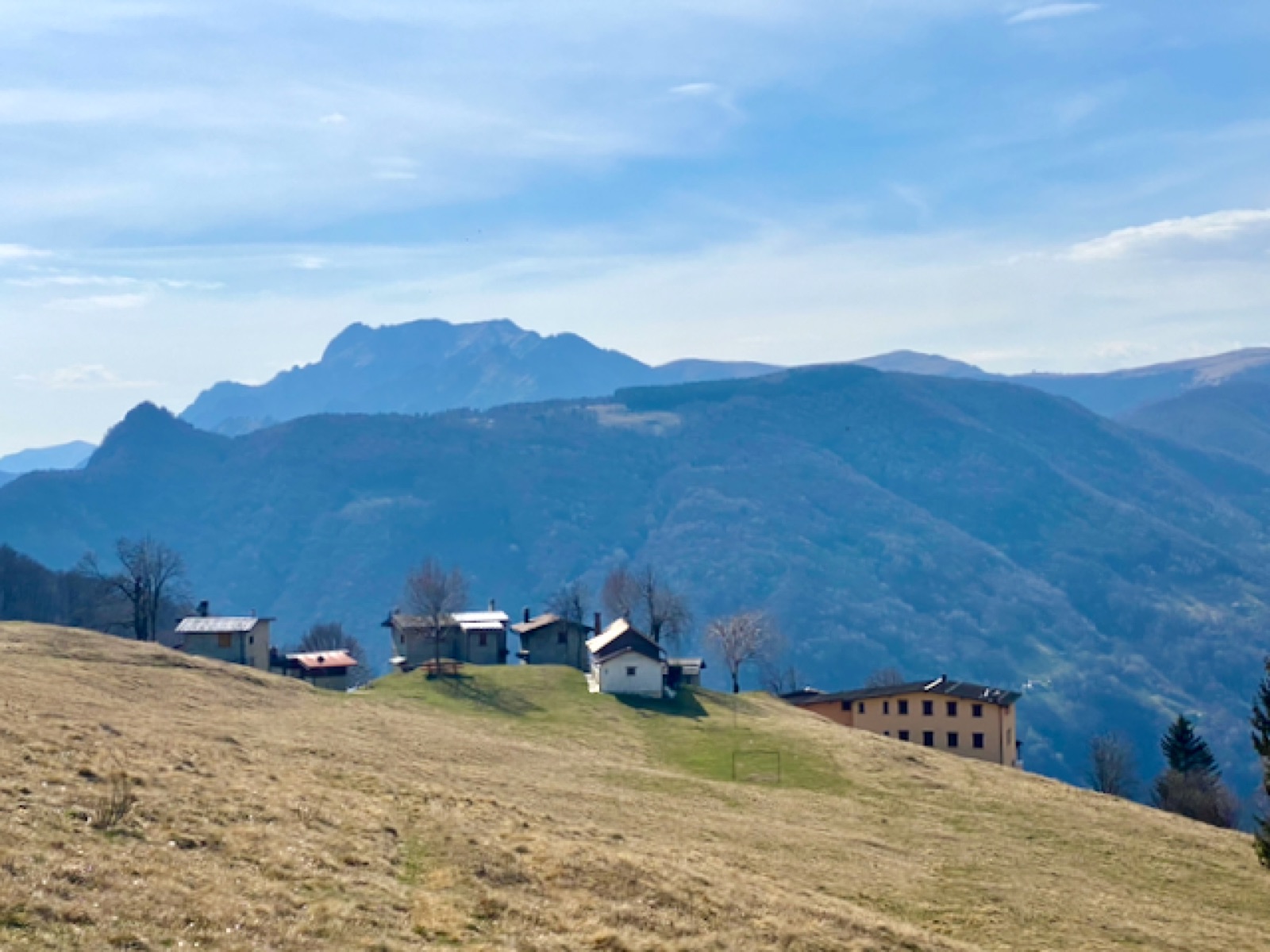
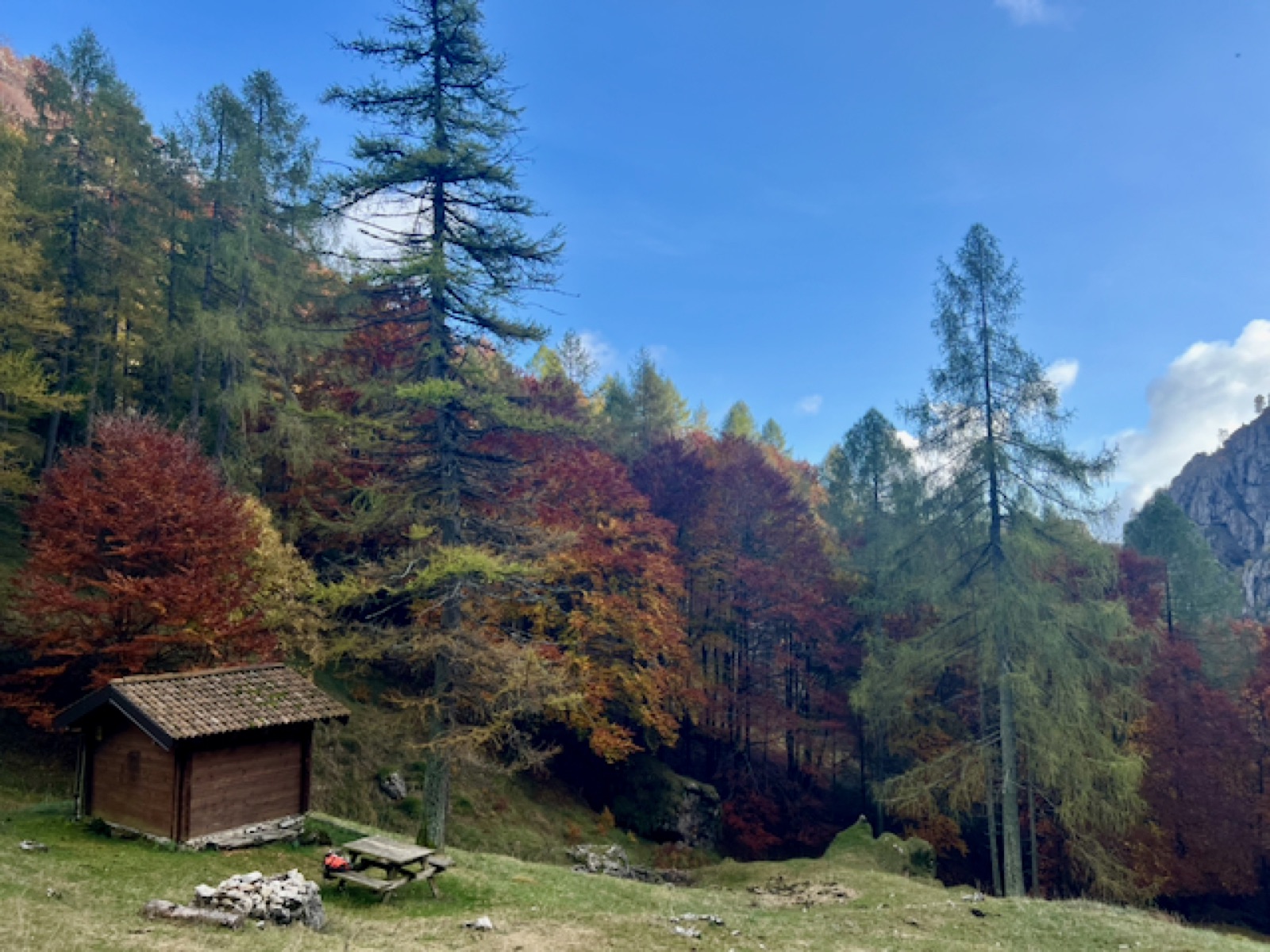
You don't need a plan to find them. You just need to set out.
What Happens When You Don't Plan
Sometimes you take a side road because the sign says something interesting, and you end up in a village where an old man tells you about the festival next week. Sometimes you stop for lunch where you see the locals sitting outside, not where the algorithm sent you. Sometimes a trail that was supposed to last an hour becomes a full afternoon because halfway there's a viewpoint that doesn't appear in any guidebook, and there you sit and watch the lake change color with the light.
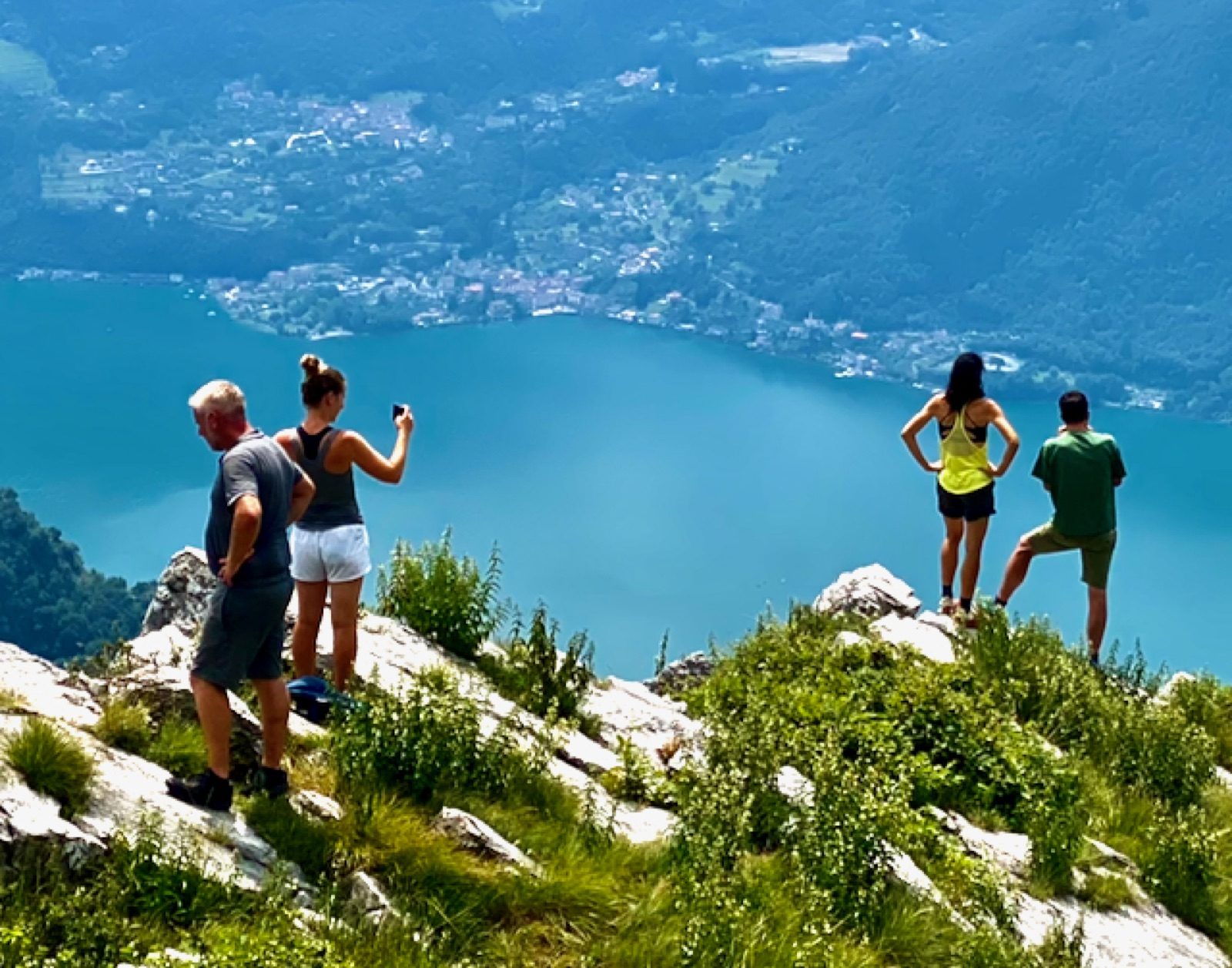
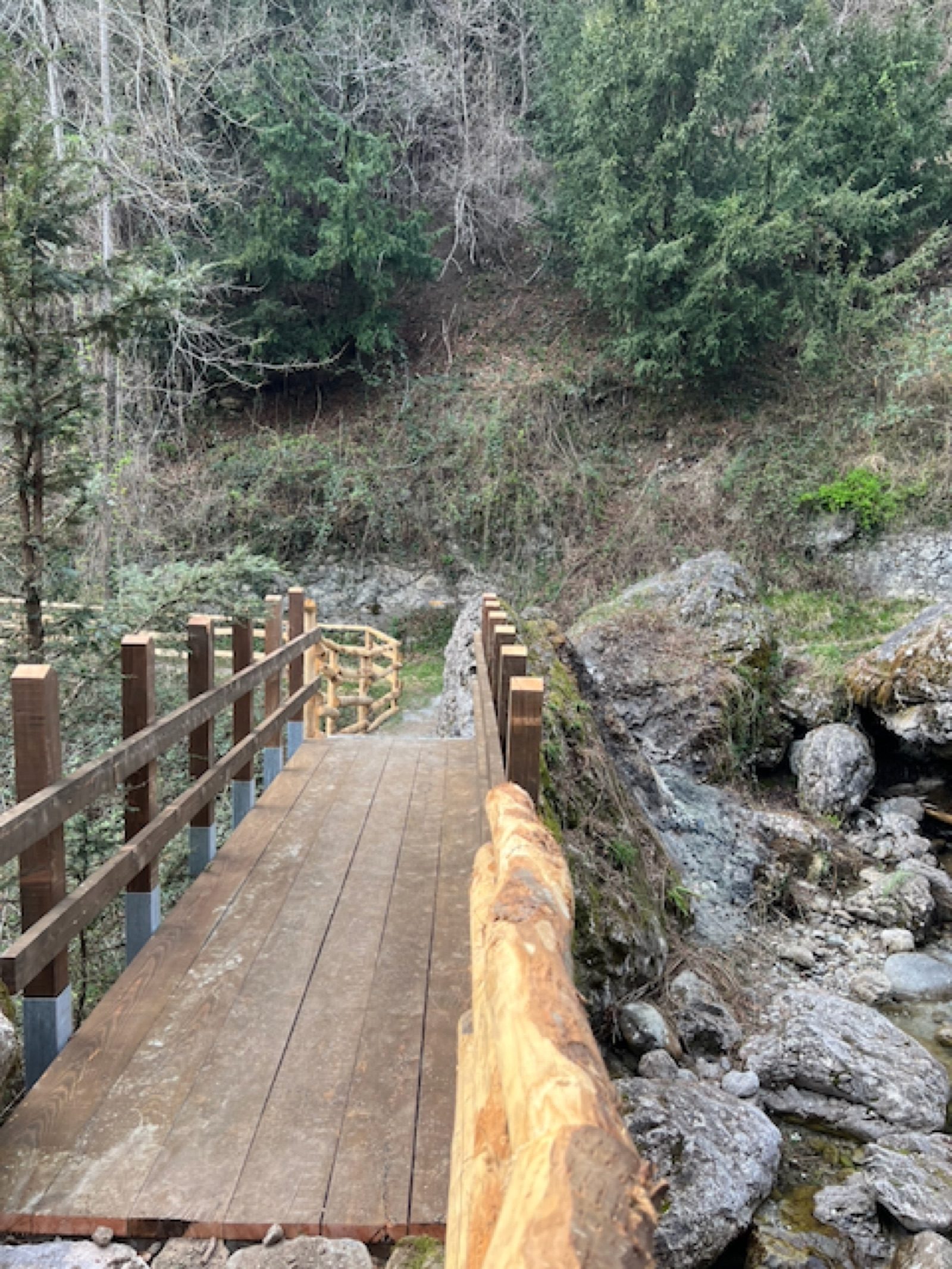
It happens that at Sanctuary of Caravina You arrive there by chance, following a faded signpost, and when you enter the frescoed church you understand why pilgrims have been climbing up there for centuries. It happens that the Cycle/pedestrian path from Porlezza to Menaggio you travel it without a stopwatch, stopping every time the Cuccio River invites you to look. It happens that at Val Sanagra Museum you end up there because the scent of the surrounding forest attracted you, not because it was on the list.
Five rules for having no rules
If you really need something to hold on to, here are five suggestions. But feel free to ignore them all.
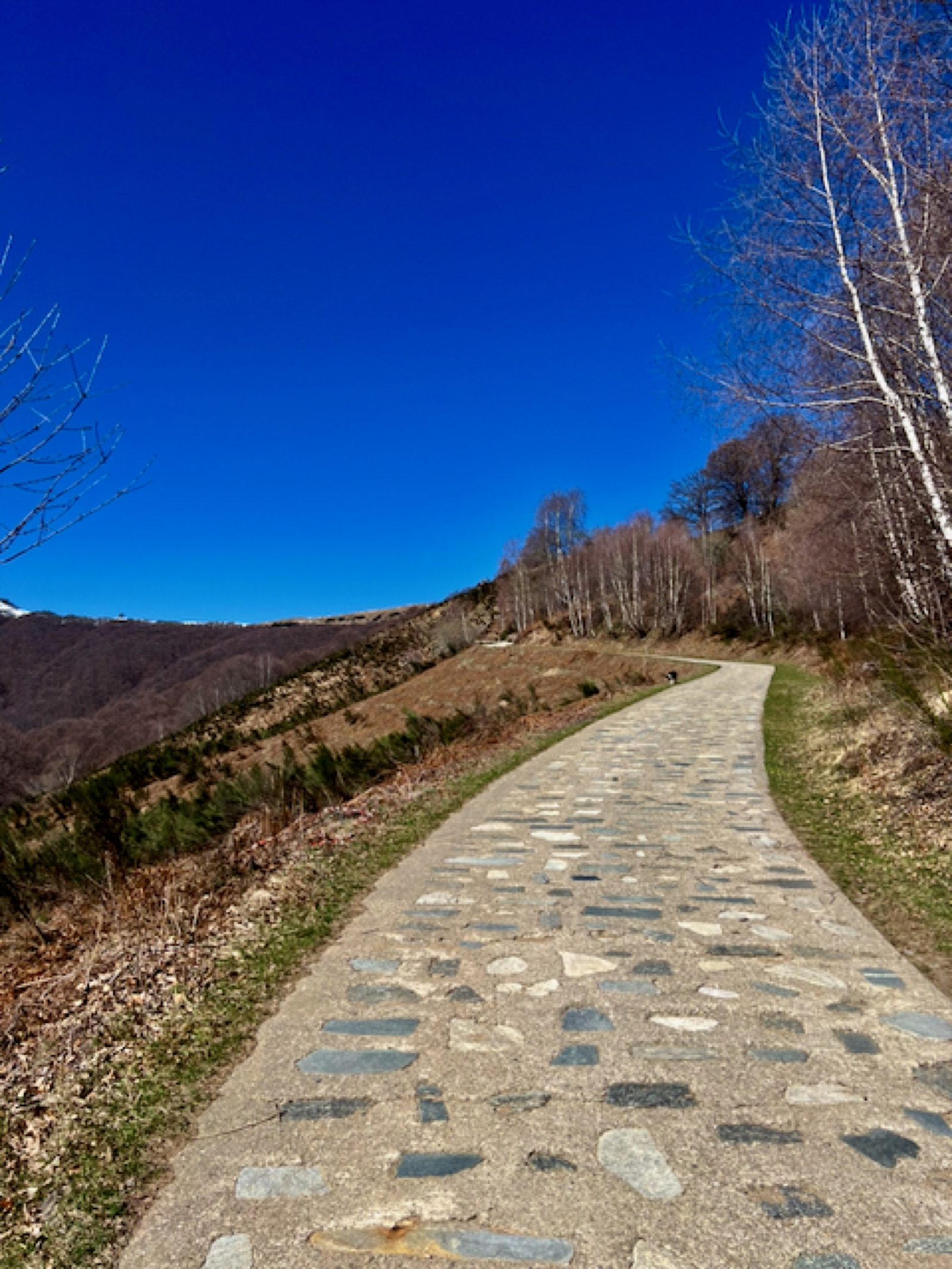
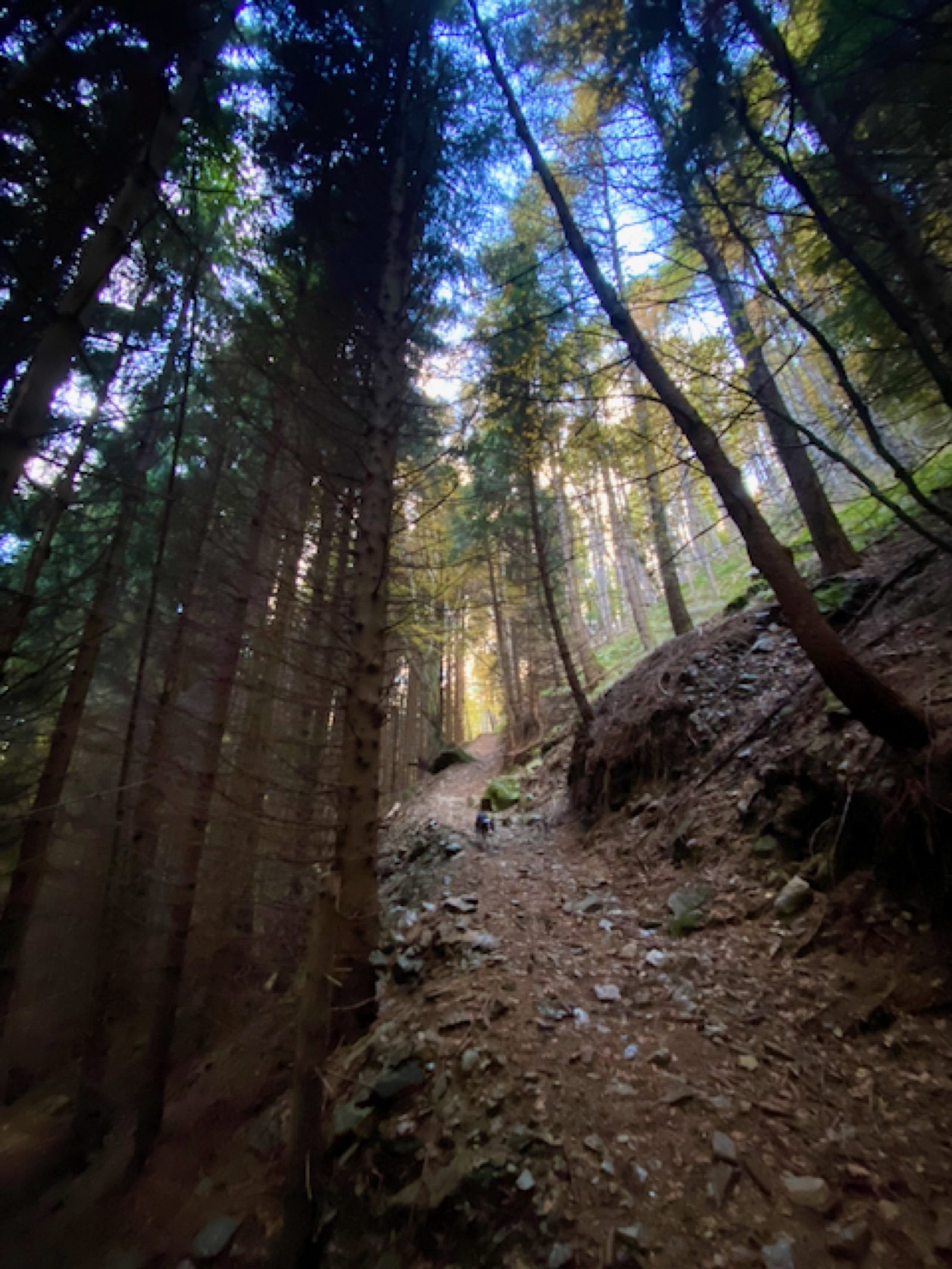
Bring comfortable shoes, not an itinerary. The area is best explored on foot. The roads between villages are short, trails are everywhere, and surprises arise when the terrain underfoot changes from asphalt to dirt to ancient stone.
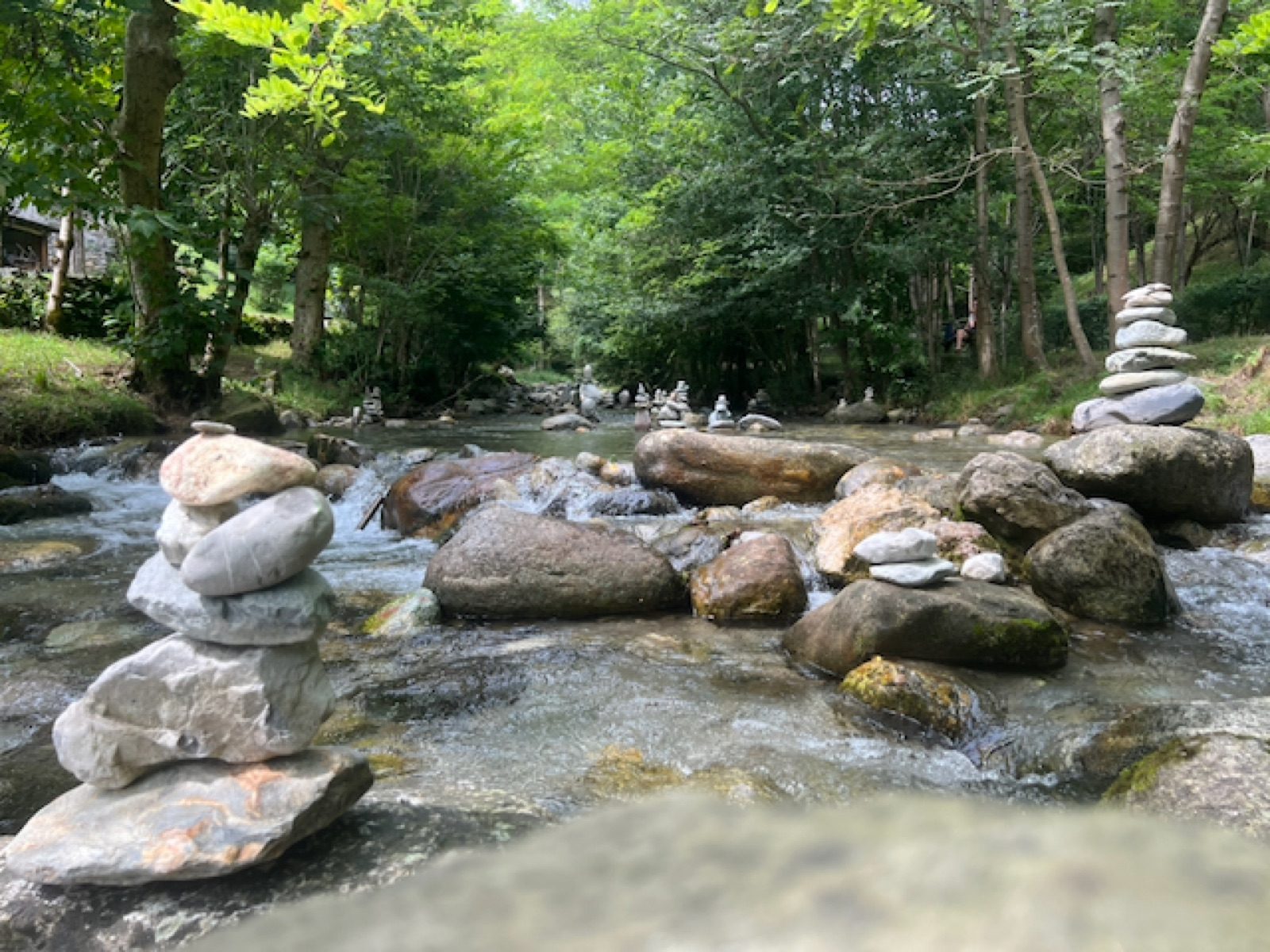
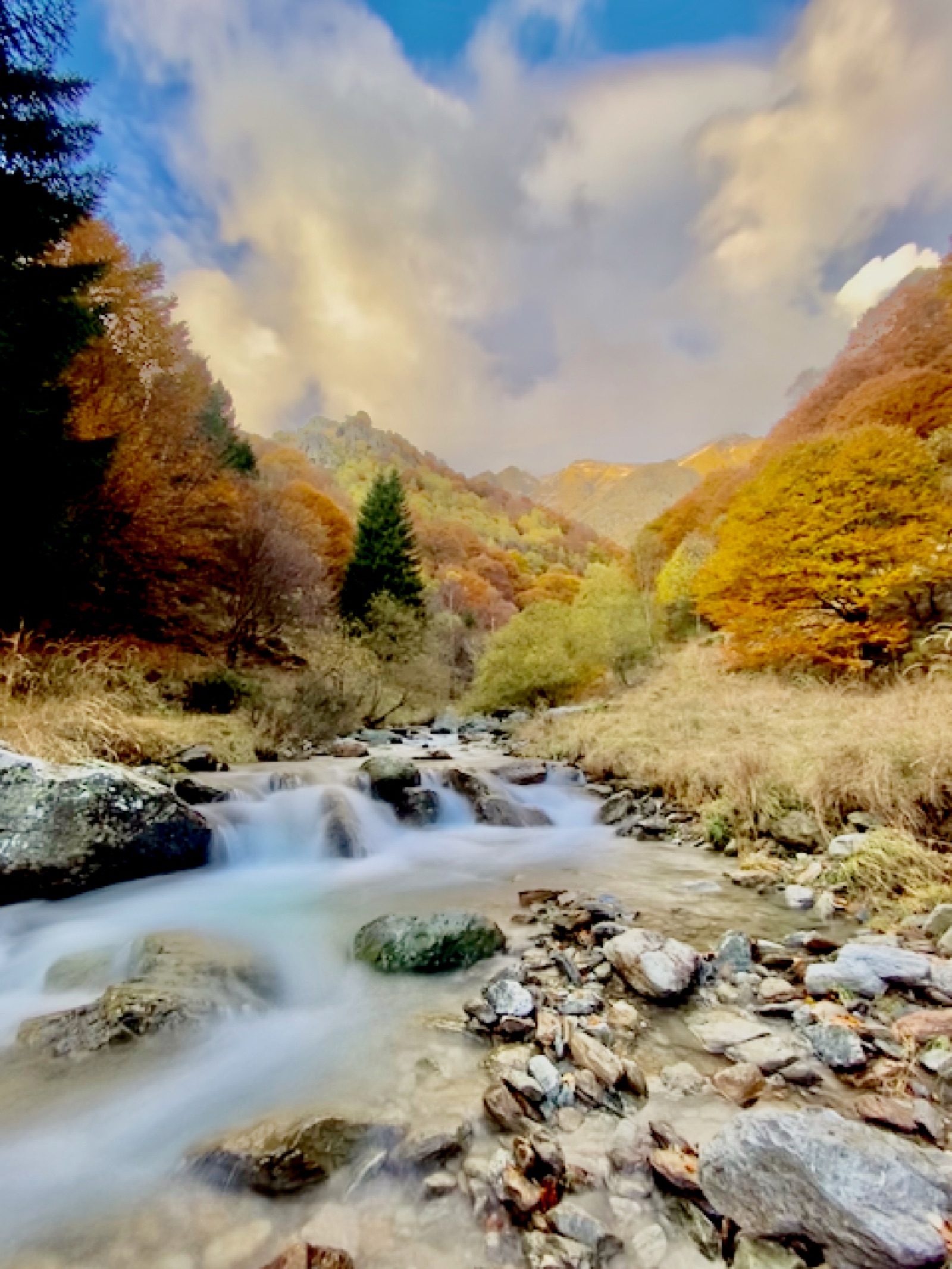
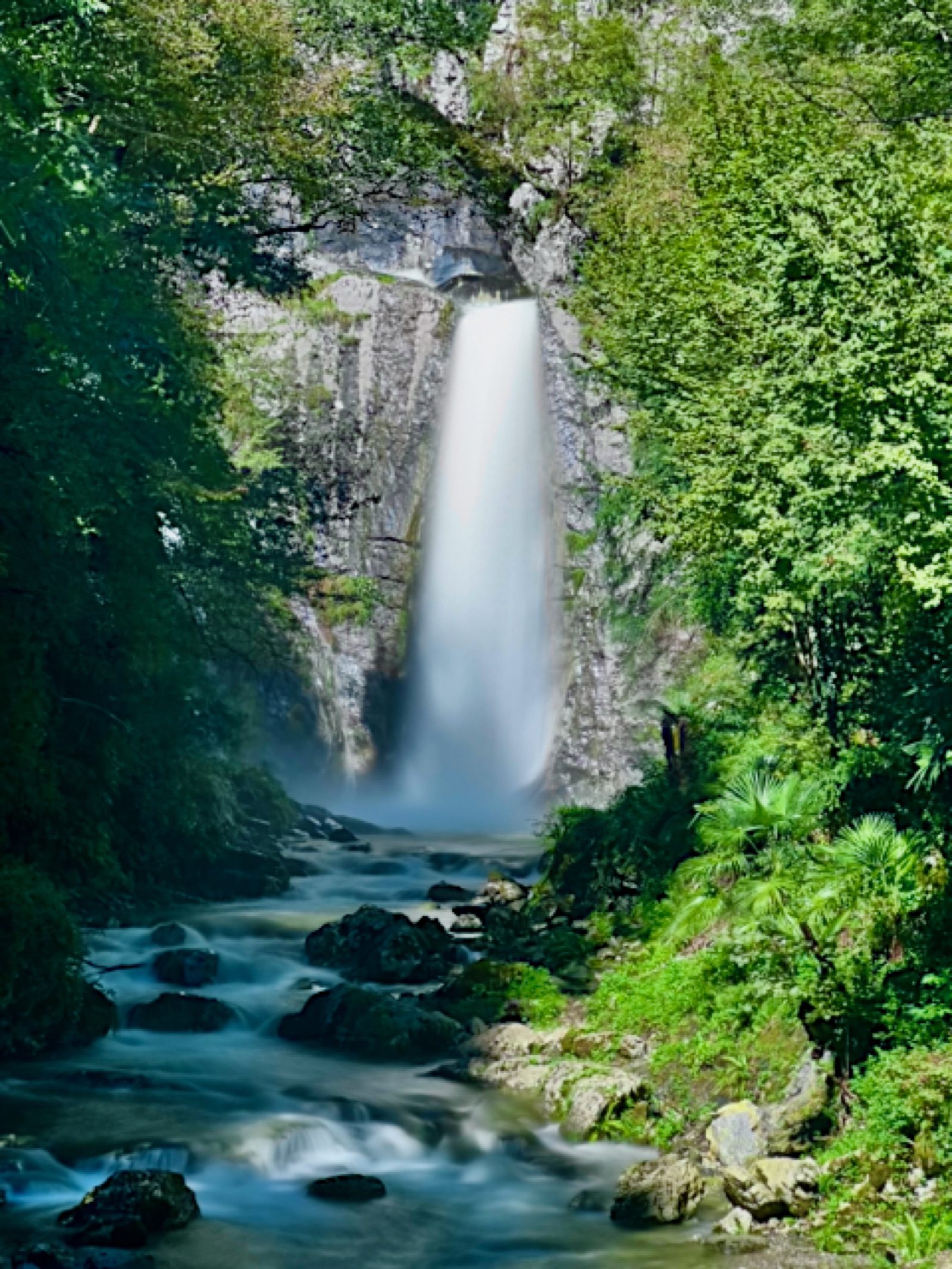
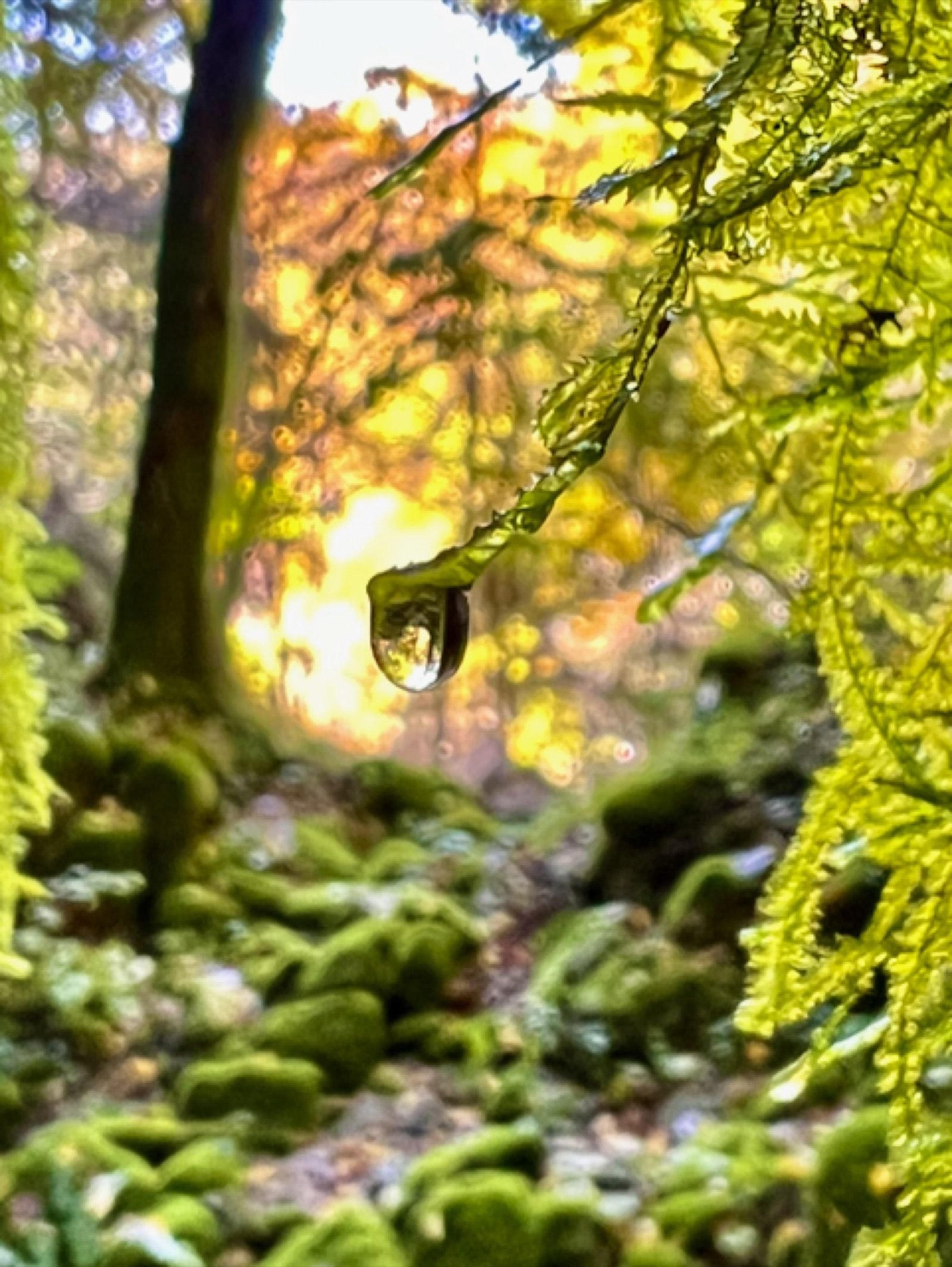
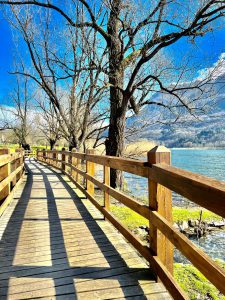
Follow the water. The lake is always there, but it's never the same. From the shore of Porlezza it's a wide, bright horizon. From Oria, in Valsolda, it is a green abyss between the mountains. From the Porlezza plain it is a memory hidden behind the reeds of the nature reserve. And as you climb into the valleys, the water changes voice: it becomes a stream, a waterfall, a village fountain. Each water feature tells a different story.
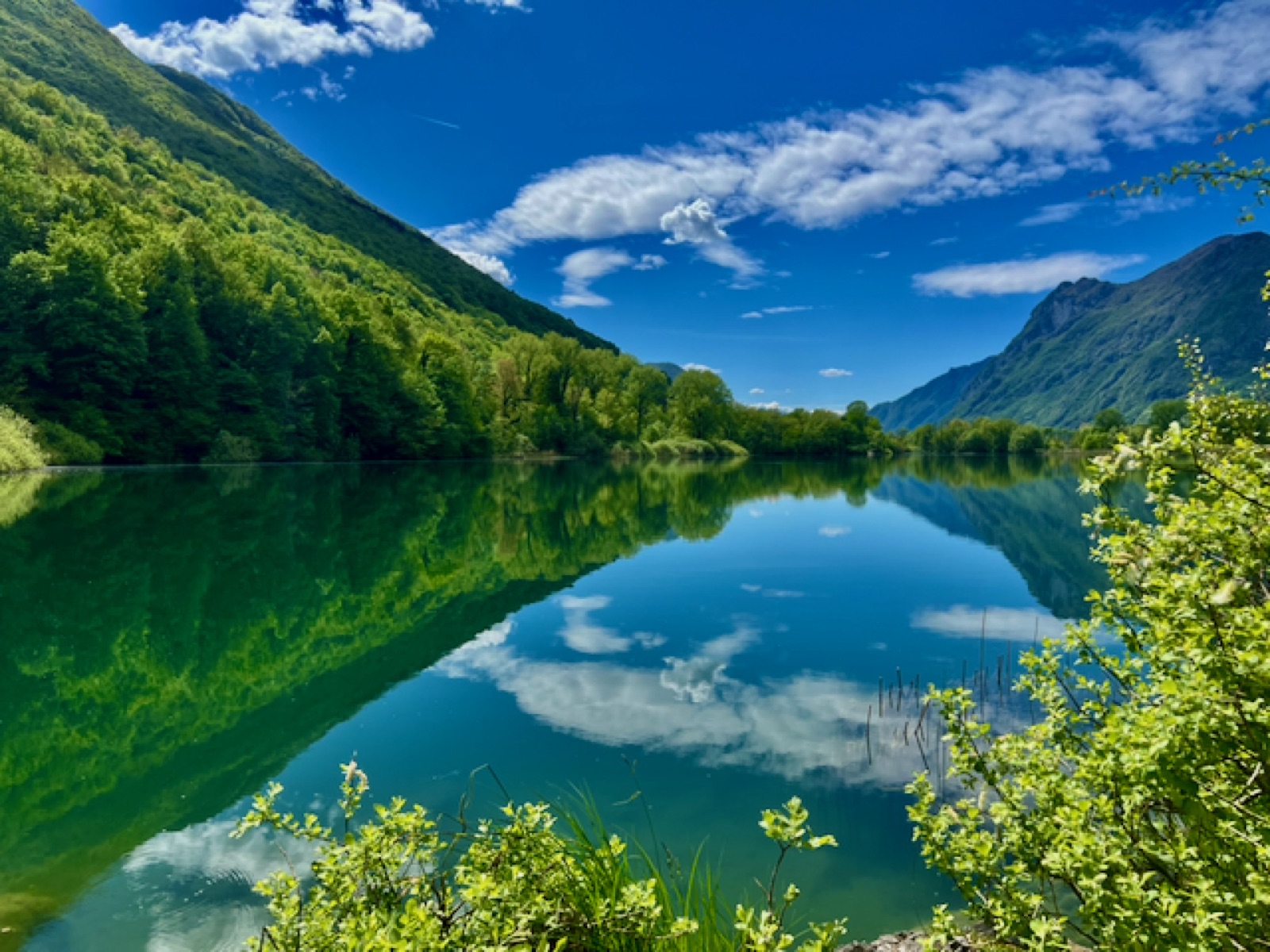
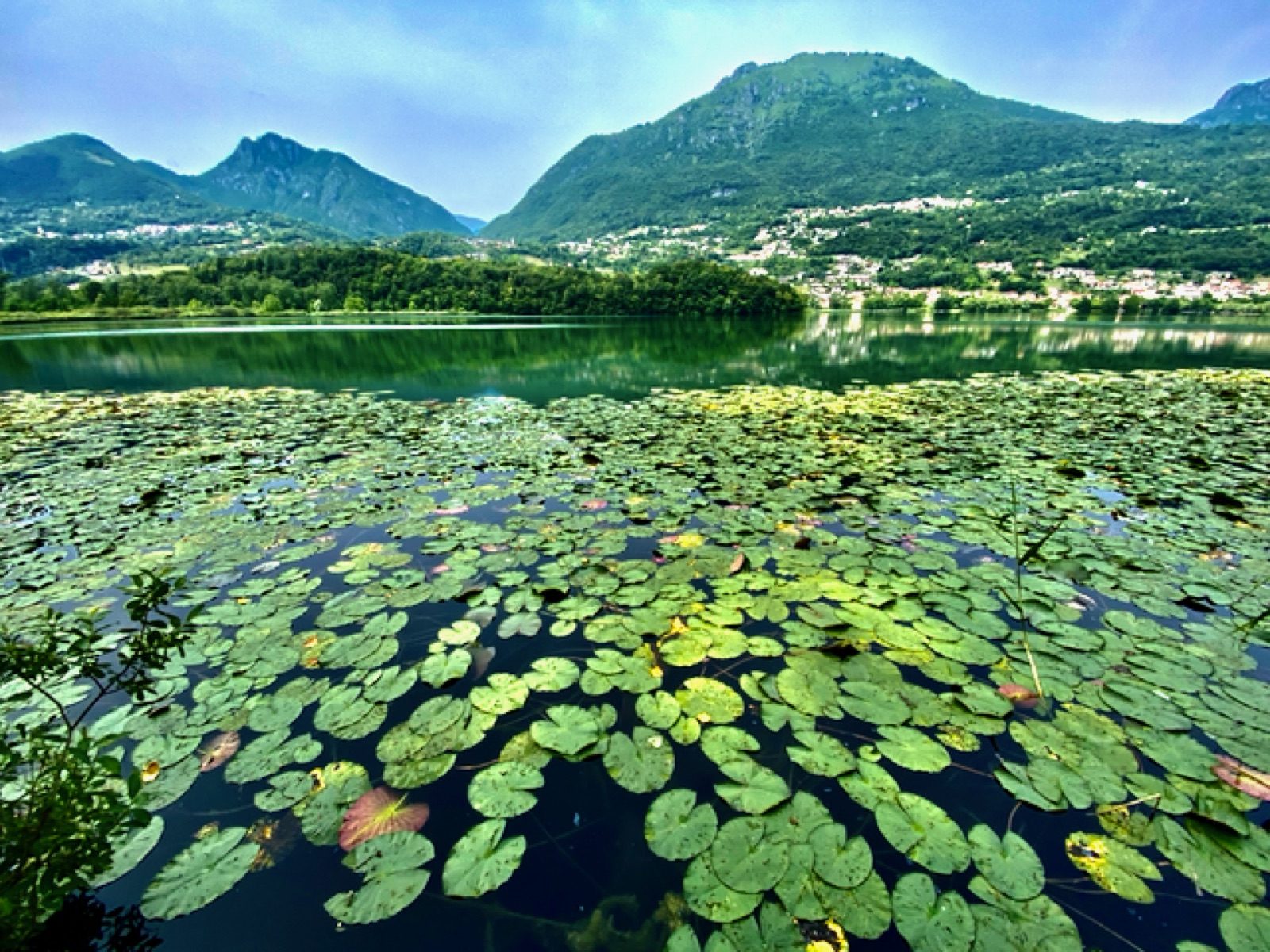
Eat where the locals eat. Don't look for the restaurant with the most reviews. Look for the one with the checked tablecloth and the handwritten menu. Look for the crotto with the low door, where it's cool in the summer and warm in the winter. On the lake, the cuisine revolves around perch and missoltini. In the valleys, it becomes polenta with mountain cheese, mushrooms picked that morning, game, and chestnut honey. Let the aromas guide you.
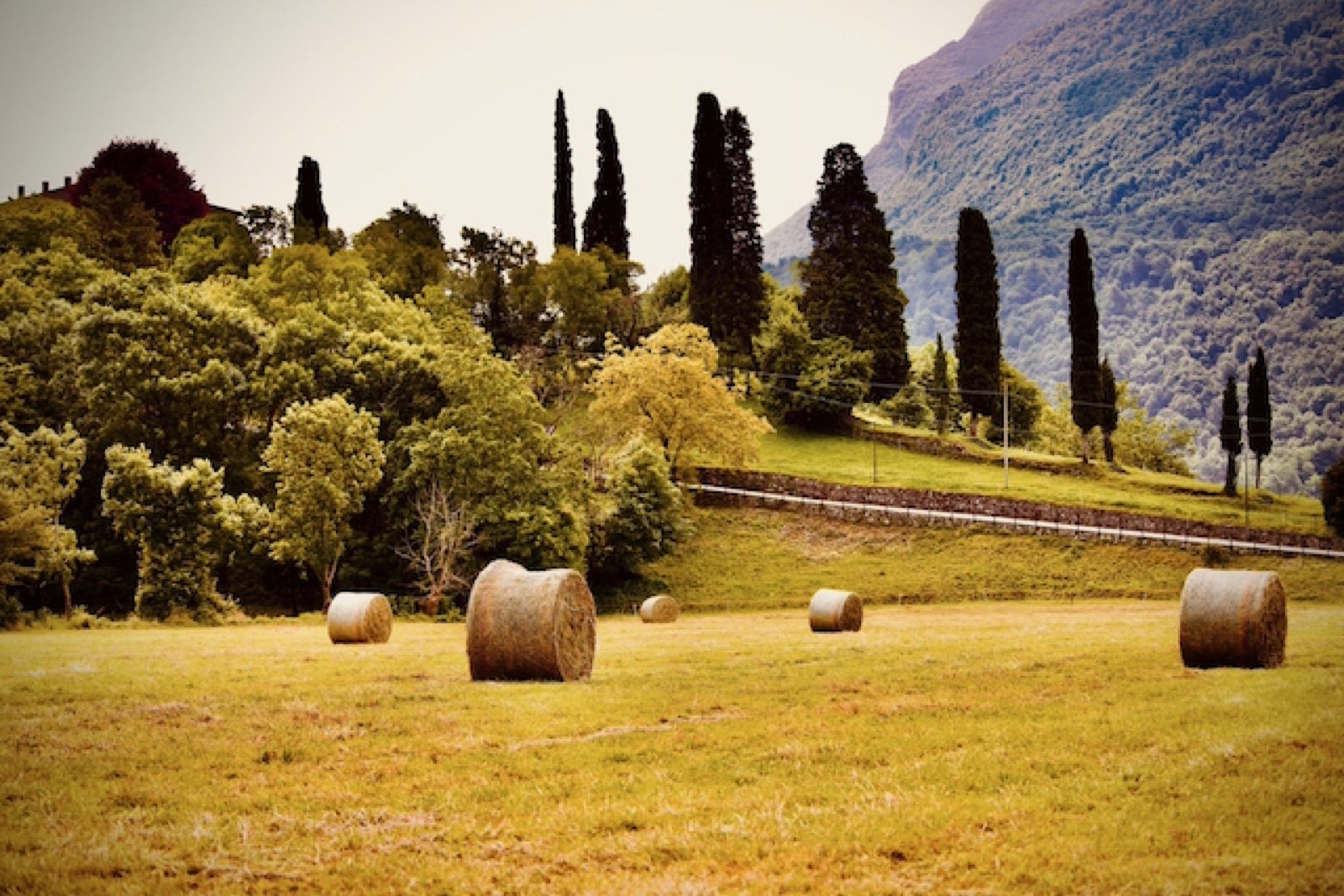
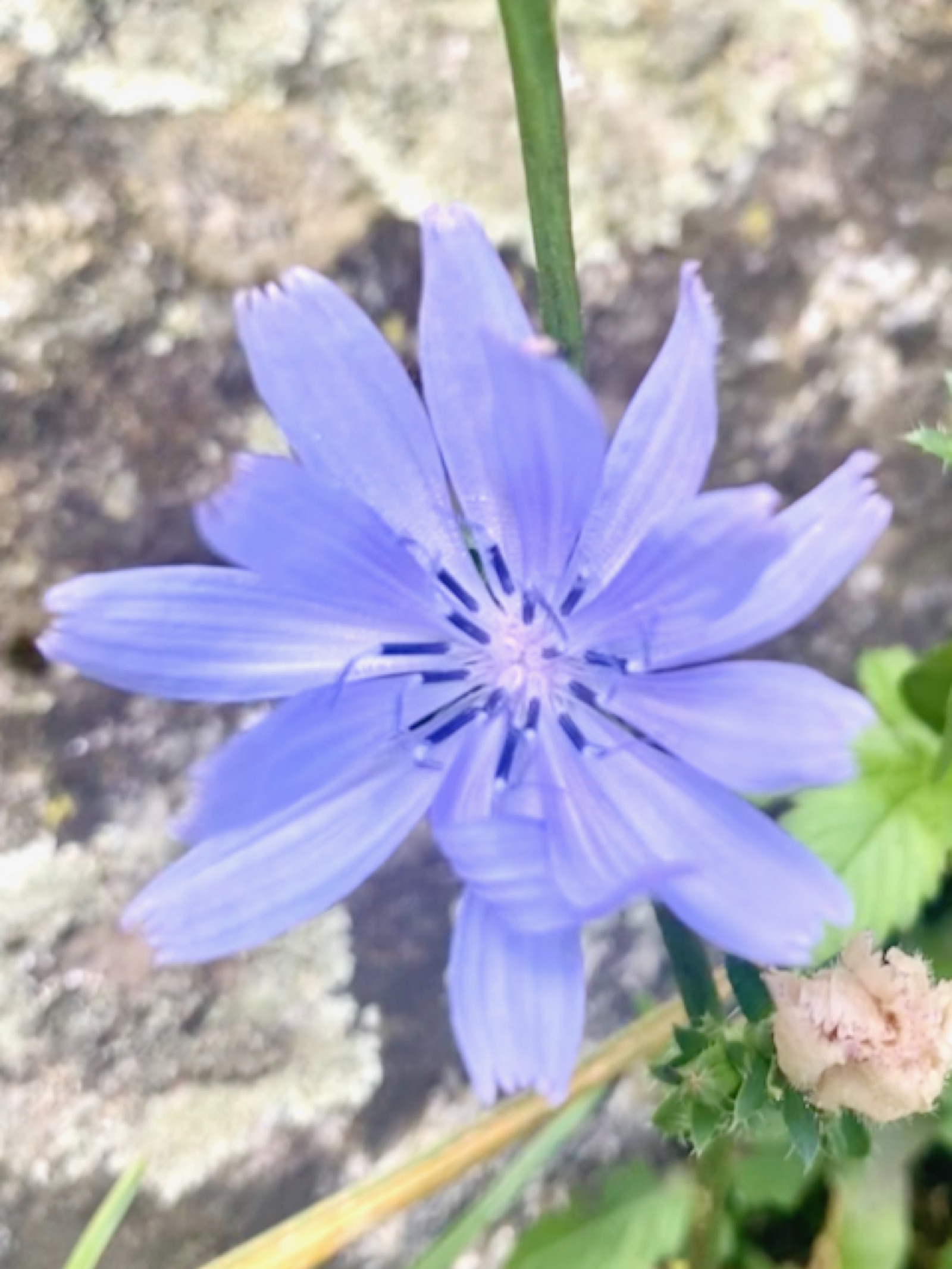
Talk to people. Locals know things no app can. They know where the daffodils bloom in spring, which trail in Val Cavargna is the most beautiful after the rain, what time the sun sets behind the Generoso, creating that seemingly impossible light. Ask, listen, say thank you. It's the best admission ticket there is.
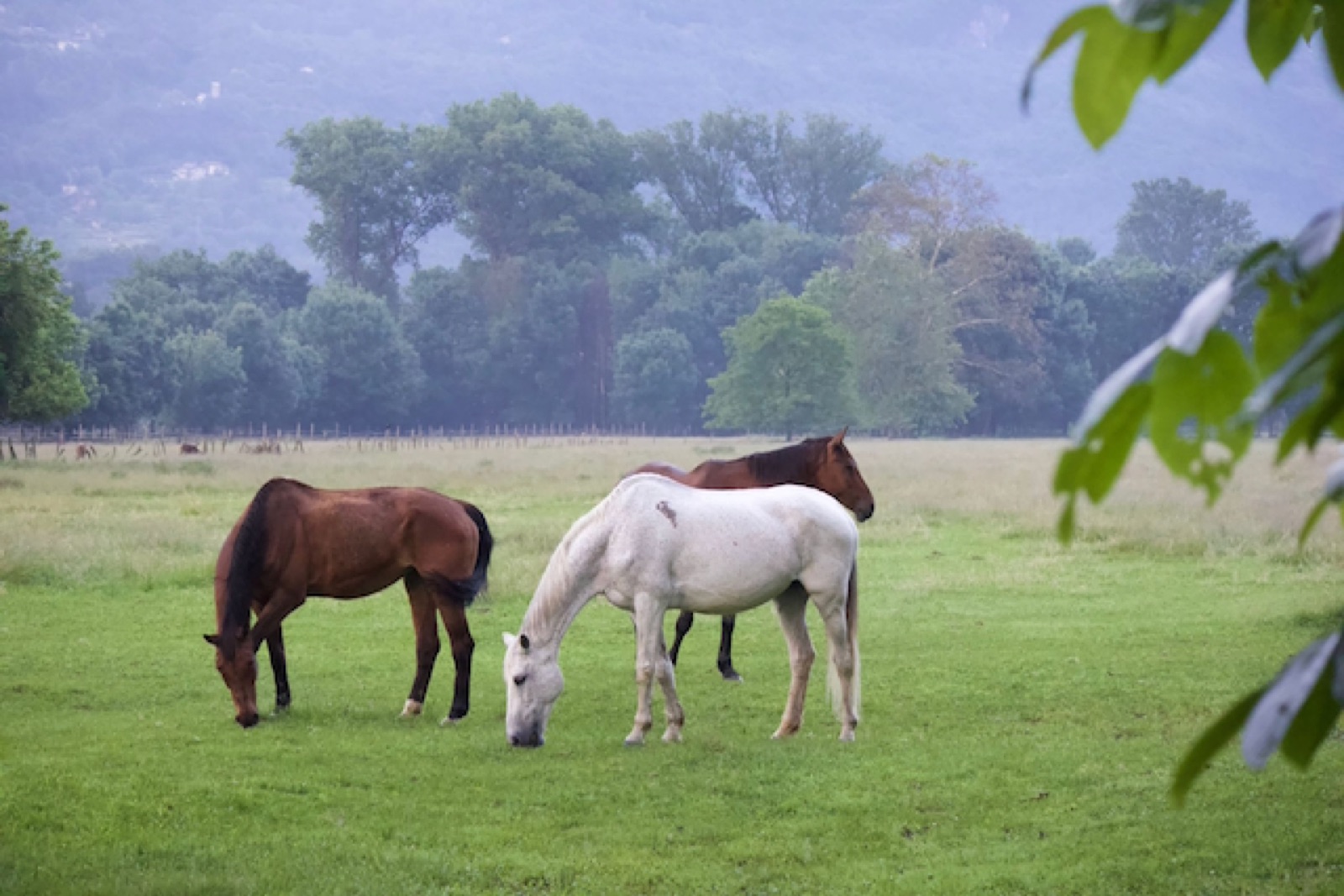
Get lost at least once. Not dangerously—deliberately. Take the unfamiliar turn. Climb that stone staircase between the houses. Follow that path that says "30 minutes" without knowing where it leads. True discovery comes from gentle disorientation.
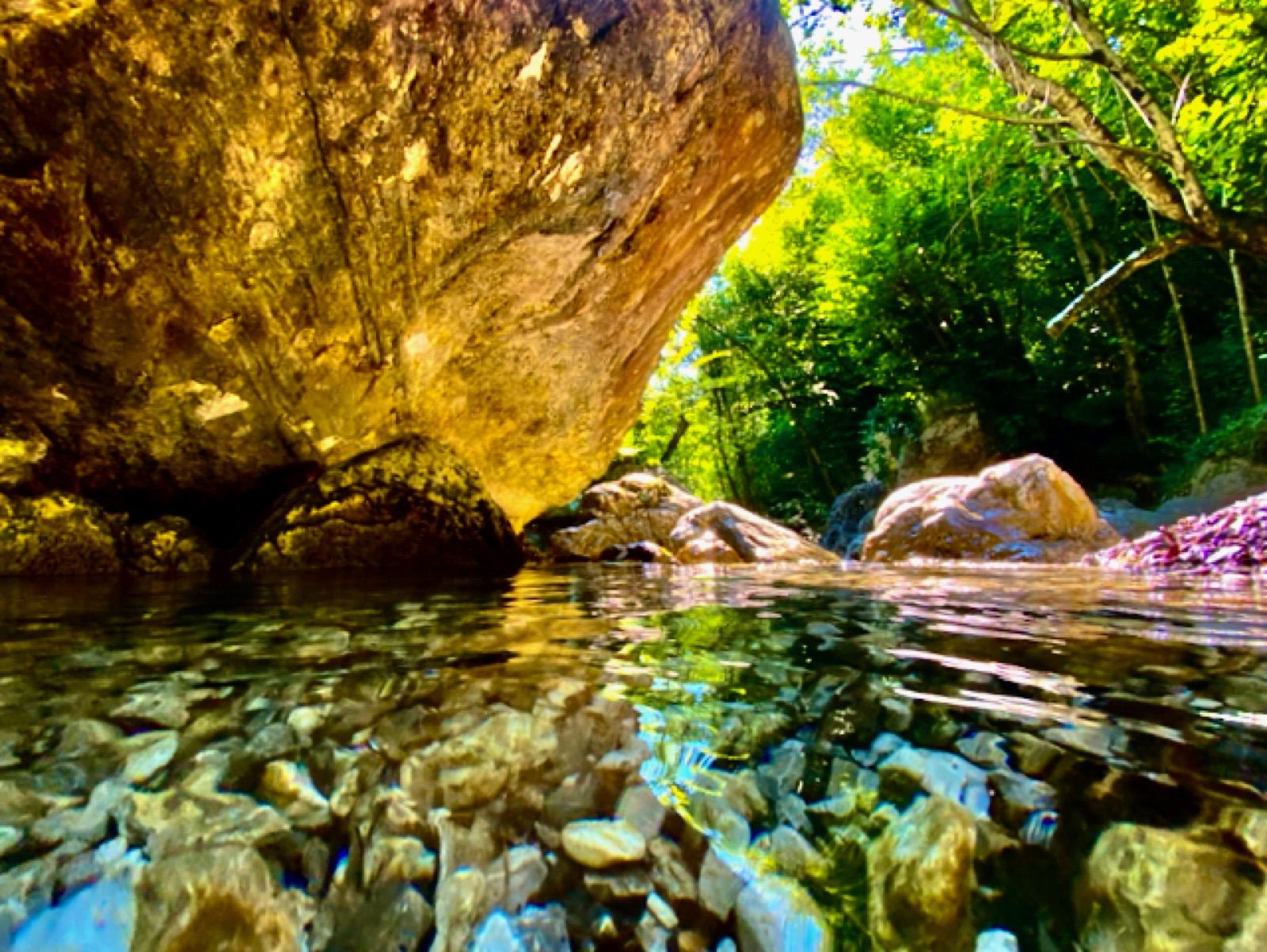
This is not Lake Como (and that's its superpower)
A few kilometers west lies Lake Como, with its famous villas, boats packed with tourists, and lines at the Bellagio parking lots. It's beautiful, no one denies it. But it's a kind of beauty that fades quickly, because it's already been seen a thousand times before arriving.
The Ceresio and its valleys I'm the little brother no one knows about. The silent one, with the best stories. It doesn't yet have a postcard image because its beauty can't be reduced to a single shot—it's made of atmospheres, of changing lights, of lakeside villages that appear around a bend, of valleys that rise towards mountain pastures where time stands still, of silences you can't find anywhere else.
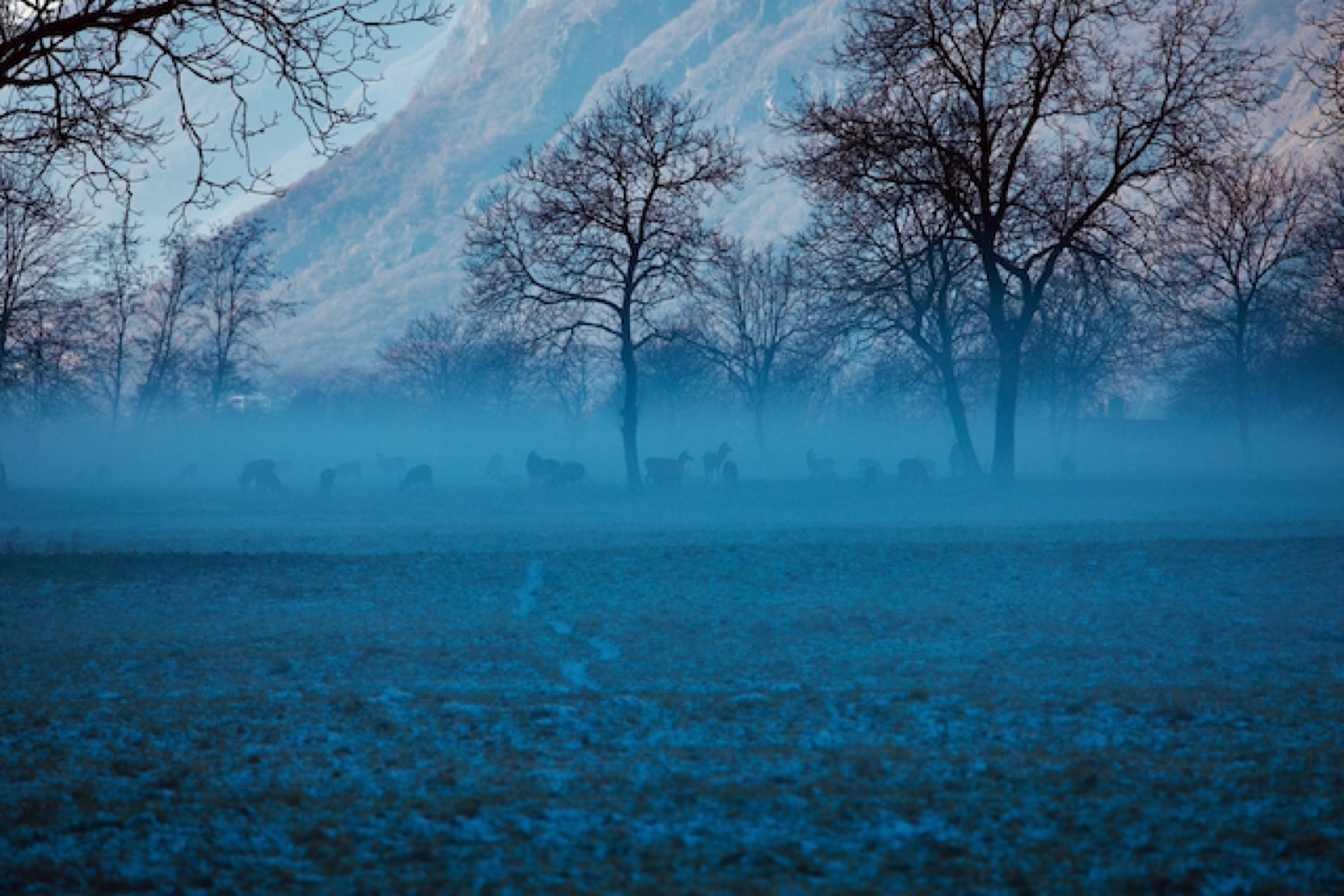
This is its superpower: when you discover it, you feel it's yours. You didn't find it on Instagram. An influencer didn't recommend it to you. You found it yourself, walking, looking around, following a path that had no name.
When you need a compass (not a program)
Letting go doesn't mean being clueless. If you're on a trail and want to know where it leads, if you're looking for a place to sleep tonight, if you want to know what events are happening this week—there's a website ceresio5valli.it and soon an app that accompanies you without directing you.
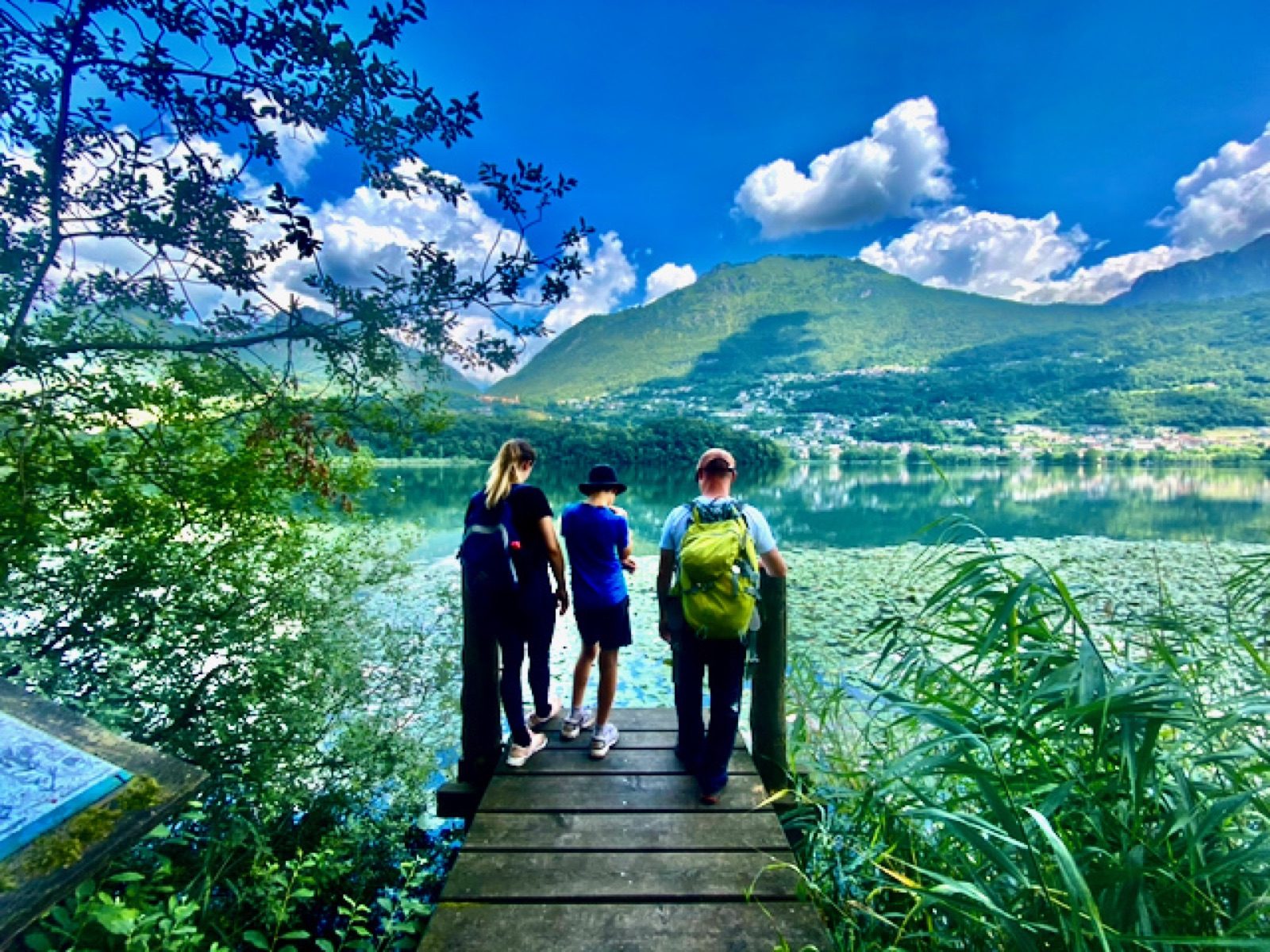
It's not a guide that tells you "go here at 10, then there at 12." It's more like a local friend who knows everything and whispers tips only when you ask for them. The "Explore Near Me" feature does exactly that: it shows you what's around you at that moment, without forcing you to follow a predetermined route.
It's the difference between a sat nav telling you "turn right in 50 meters" and a fellow traveler saying "hey, look, there's something beautiful back there.".
The only thing you need to bring
Curiosity. Everything else—information, suggestions, maps—you'll find along the way. The land is generous to those who arrive with open eyes and no pretensions.
The lake and its valleys await you. They don't know you're coming, and that's exactly the point.
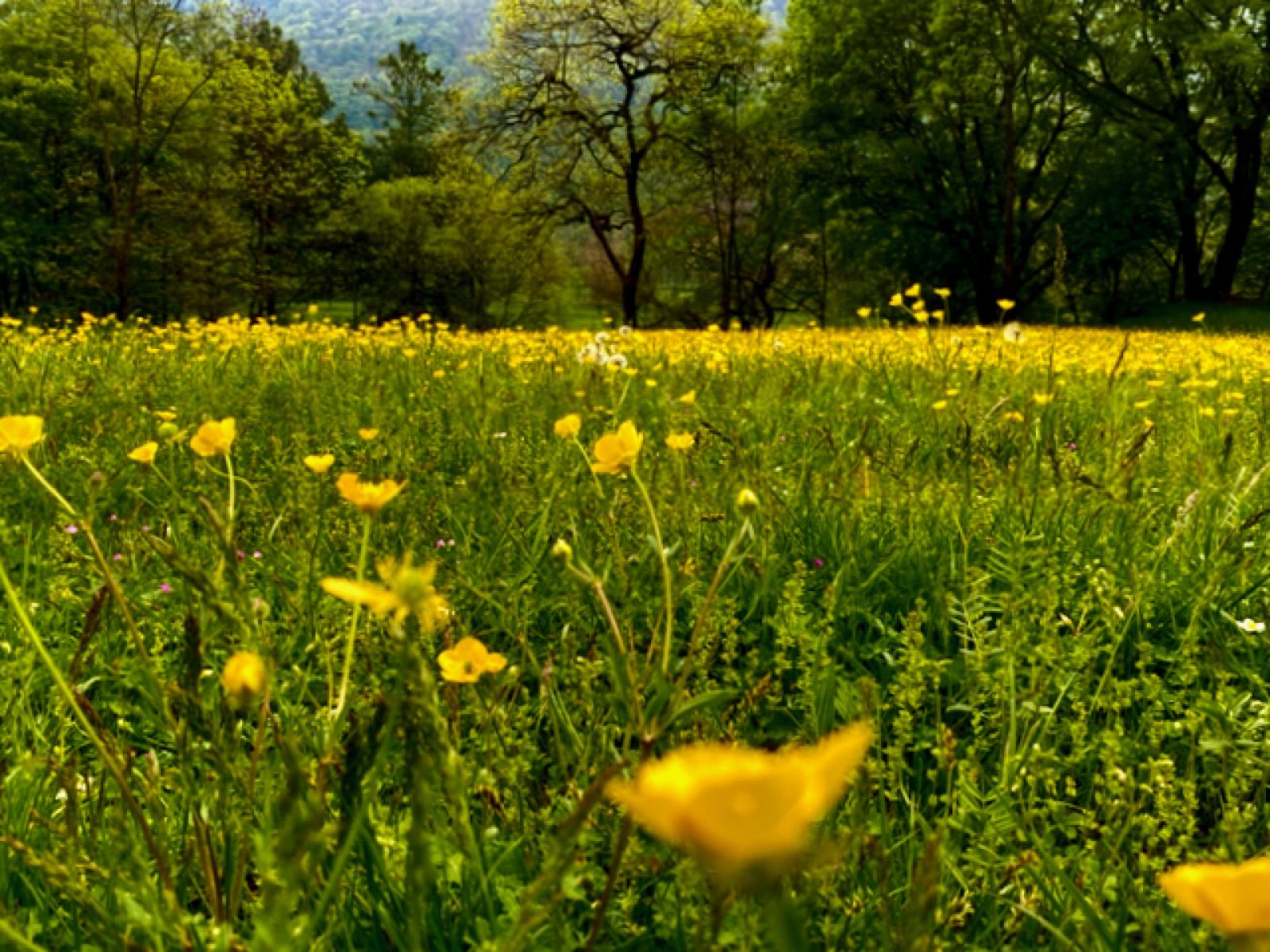
Let yourself be surprised. Between the lake and the valleys, the best plans are the ones you didn't make.
Gallery: Fragments of the 5 Valleys