Description
The Marian shrine of Valsolda, among miracles, baroque art and the devotion of Carlo Borromeo
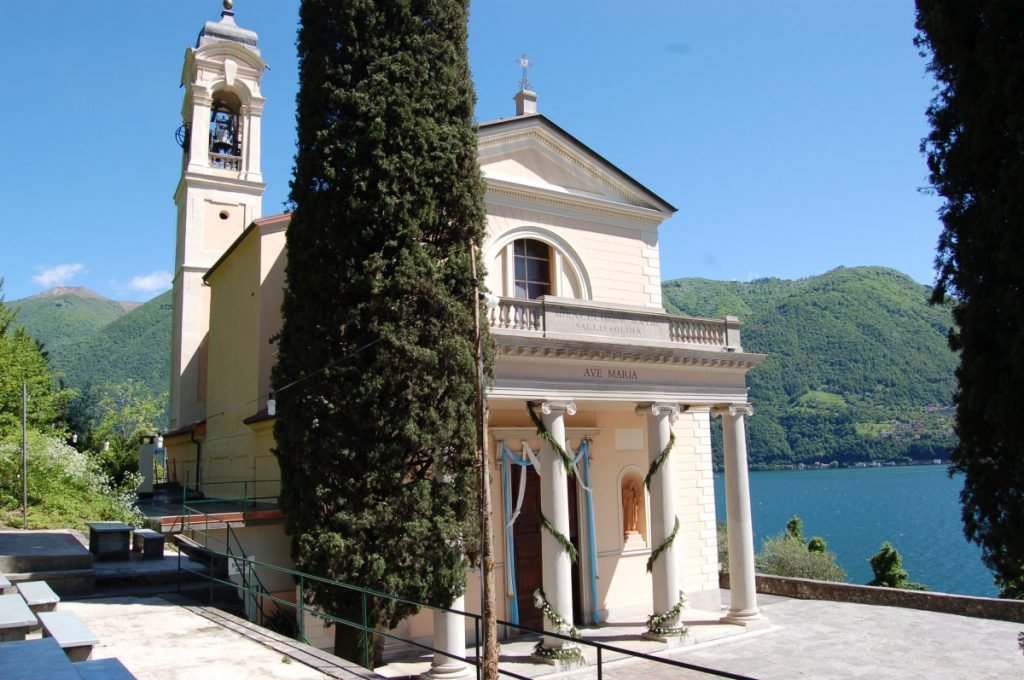
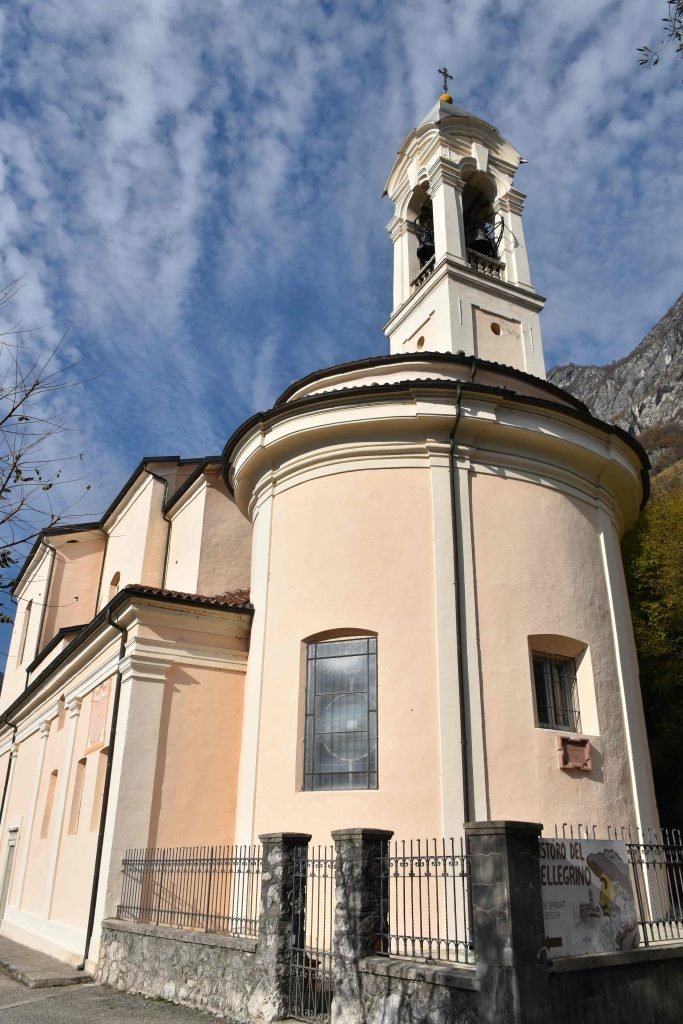
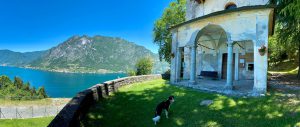
The Sanctuary of the Blessed Virgin of Caravina stands in a panoramic position along the path that climbs from Cressogno to Cima di Porlezza, in the Valsolda area. Construction began in 1567, and the sanctuary houses a 16th-century image of the Pietà, believed to be miraculous since 1562, when two women saw it weep. The canonical investigation, commissioned by Cardinal Carlo Borromeo, confirmed the authenticity of the miracle, sparking a long tradition of pilgrimages and the construction of the sacred building we admire today.
In brief
The Caravina Sanctuary is one of the most evocative places of worship in Valsolda. Accessible on foot from Cressogno, it offers an experience that combines the charm of a nature hike with the discovery of a priceless artistic heritage: from the Baroque frescoes by Isidoro Bianchi to the marble altar by Giovanni Albuzzi, to the 17th-century organ by Michele Carboni. The name "Caravina" derives from the dialect word "gravina," referring to the rocky and unstable terrain of the area.
History
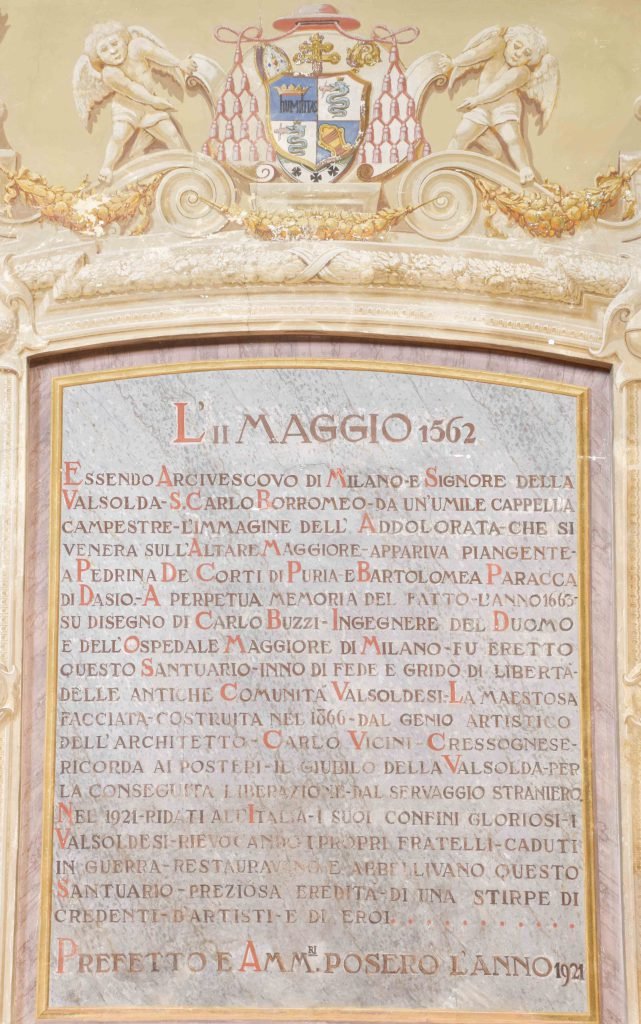
The sanctuary's origins are linked to a rural chapel dedicated to the Madonna, which housed an image of the Pietà dating back to the early 16th century. On May 11, 1562, two women witnessed the sacred image weeping. Cardinal Carlo Borromeo launched a canonical investigation that confirmed the authenticity of the miracle, sparking a wave of pilgrimages and the decision to build a proper sanctuary.
Construction was completed in 1567 based on a design by the architect Mariani, known as "il Sabba." Between 1639 and 1647, the building underwent major renovations directed by Carlo Buzzi, architect of the Milan Cathedral. The neoclassical façade, designed by Carlo Vicini, was added in 1865-1866.
From 1960 to 2003, the sanctuary was entrusted to the Fathers of Betharram by will of the then Cardinal Montini, the future Pope Paul VI.
Art and Architecture
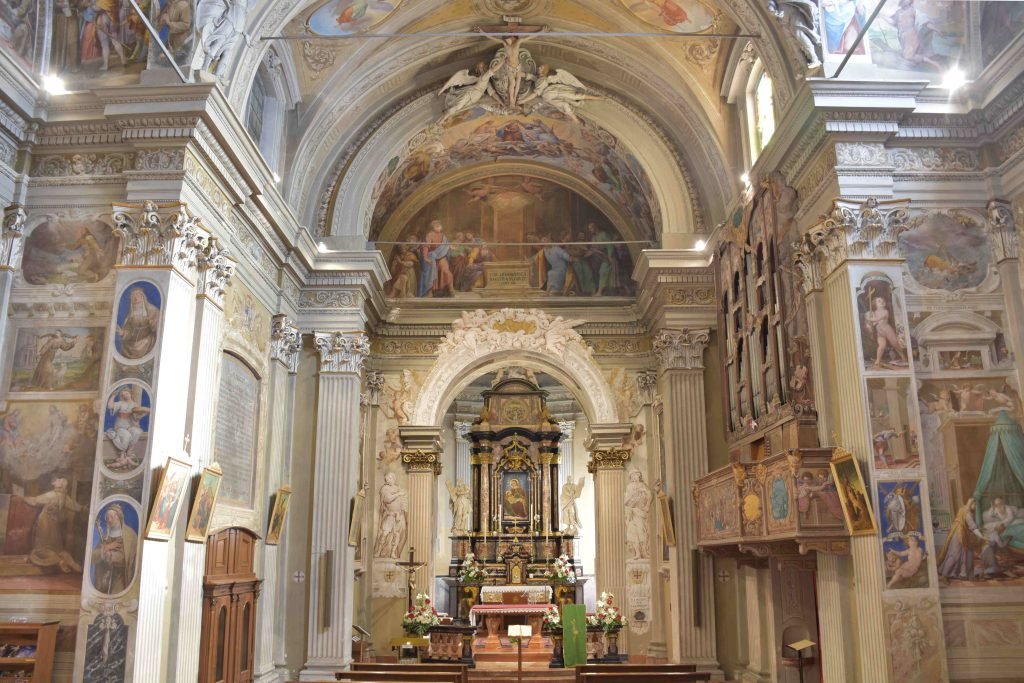
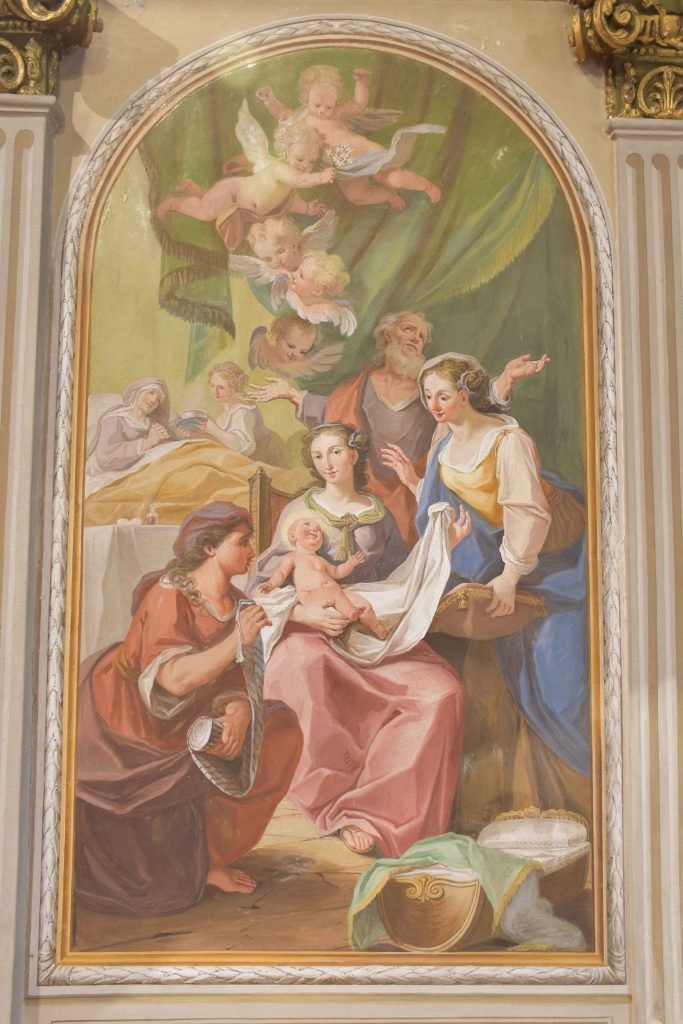
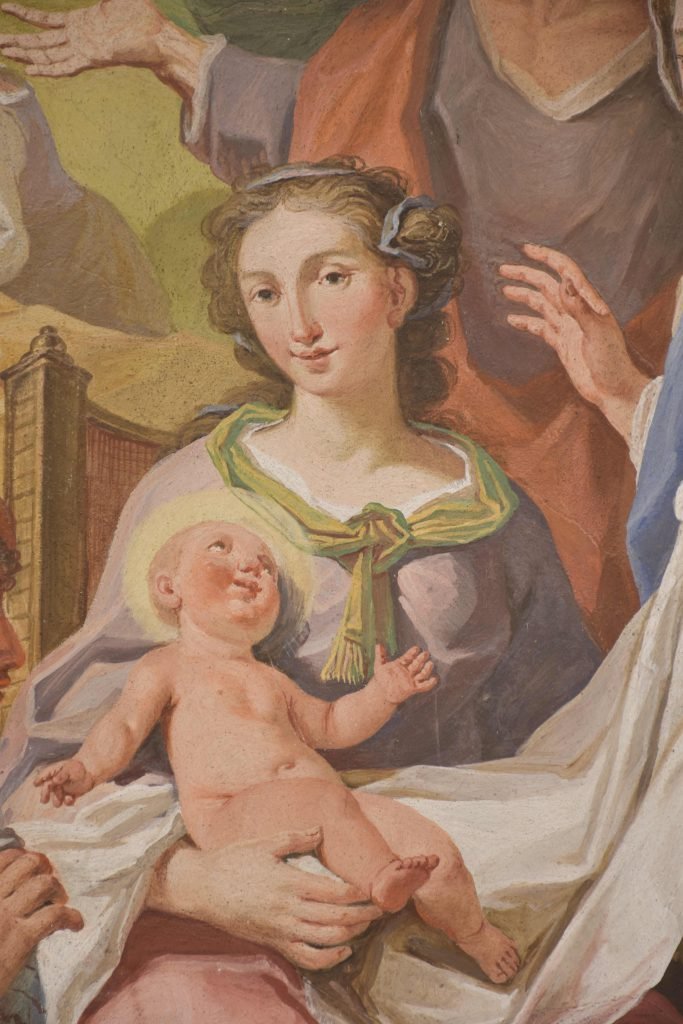
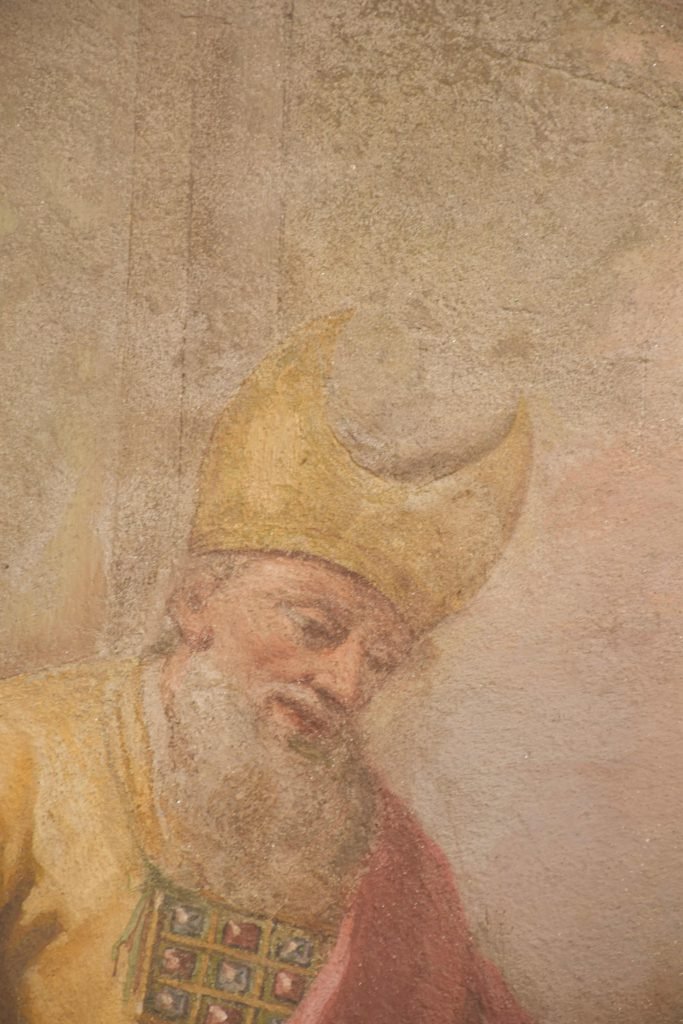
The interior of the sanctuary is richly decorated. Between 1648 and 1657, Isidoro Bianchi frescoed the side chapels: the Chapel of the Cordeliers (left) and the Chapel of the Carmelites (right), also leaving his self-portrait among the works.
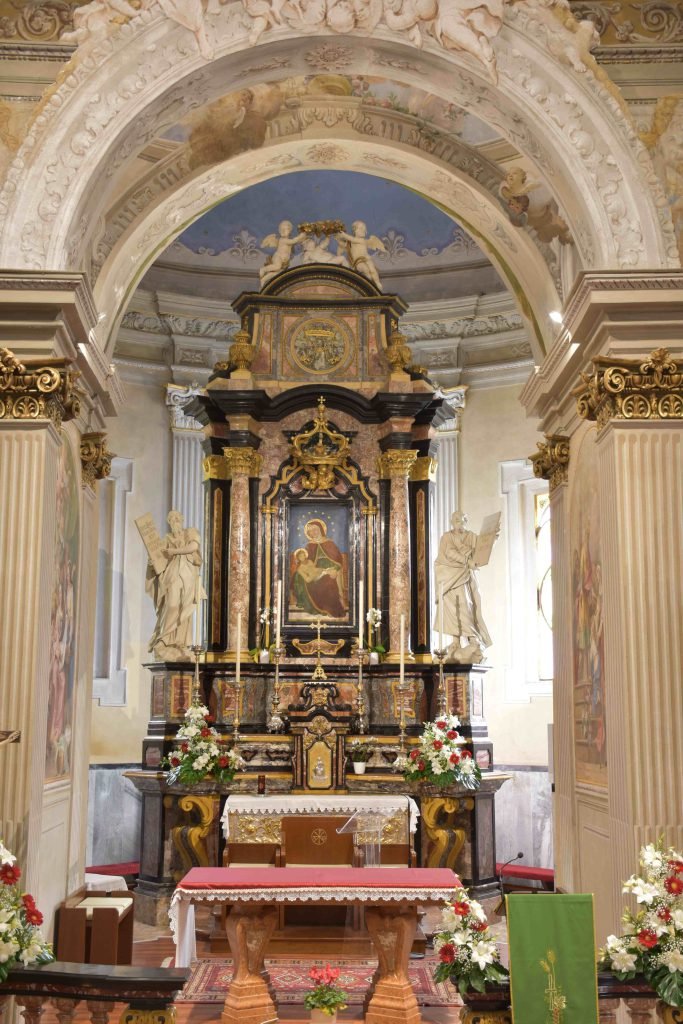
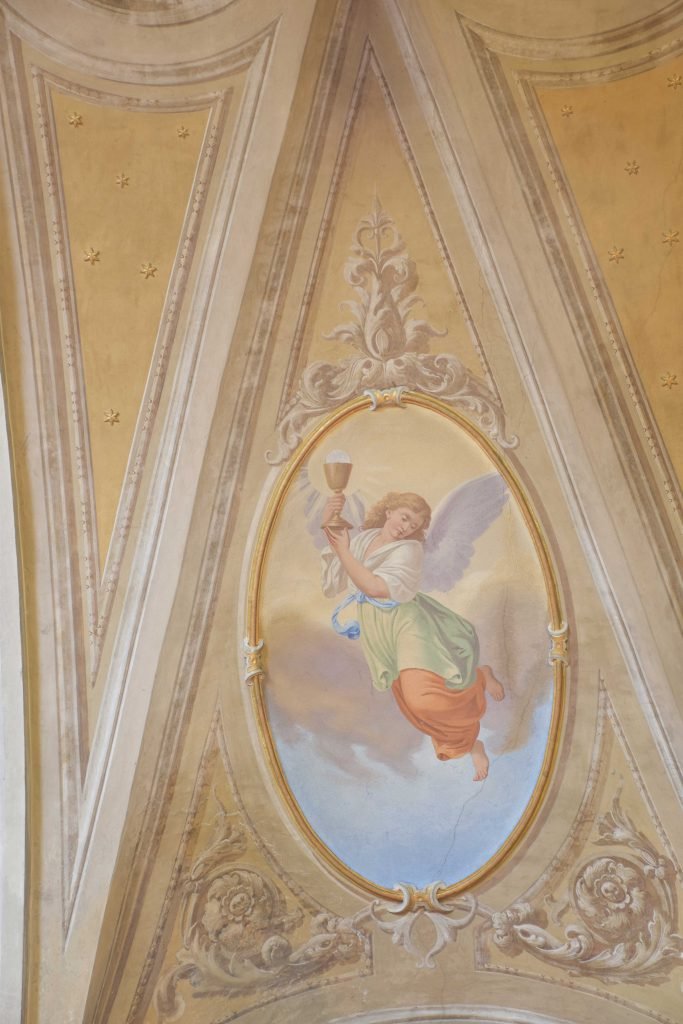
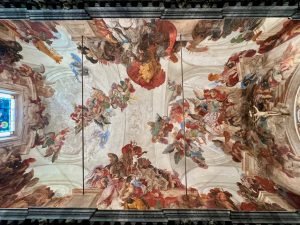
The vault was frescoed in the late 19th century by Antonio Sibella, with a cycle depicting Angels, Evangelists, Virtues, and Allegories. The marble high altar, created in 1736 by Giovanni Albuzzi, houses the venerated original miraculous image.
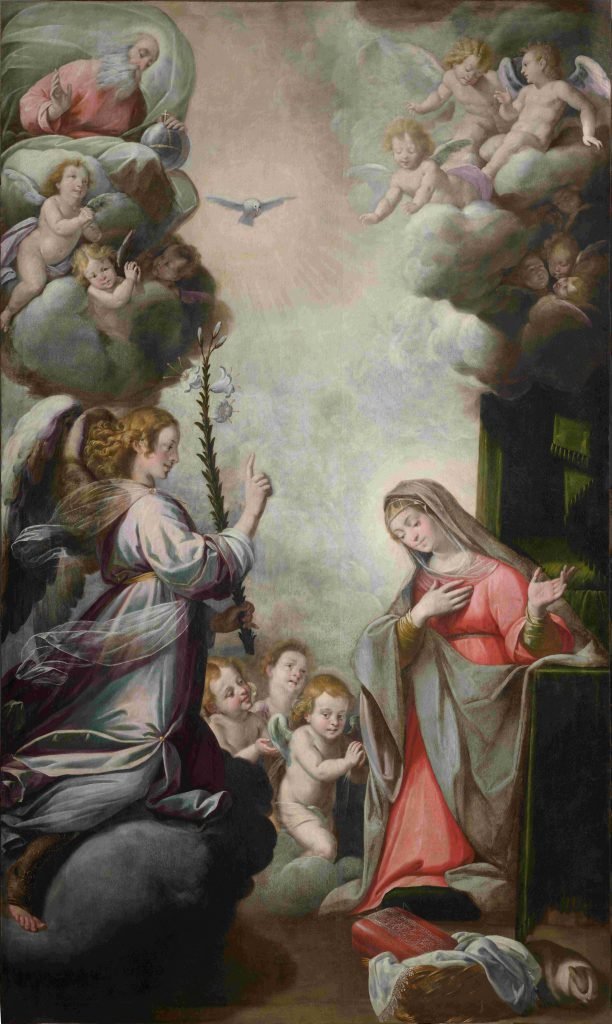
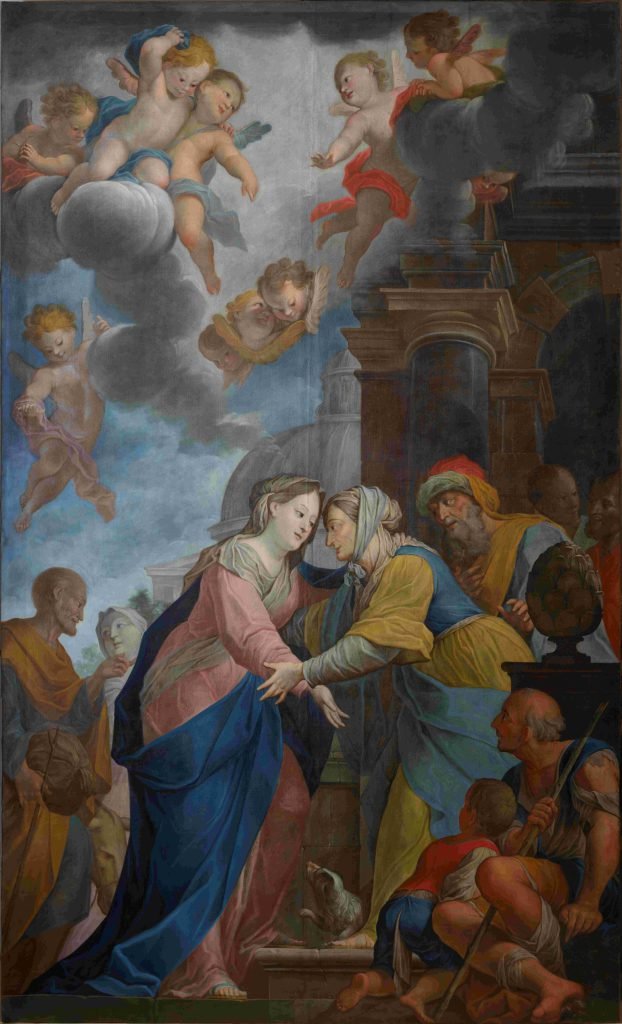
Along the nave are paintings by Giovanni Battista Pozzo and Rocco Comanedi, which depict Marian themes in late Baroque and Rococo style.
The Historic Organ
The sanctuary's organ was built in 1675 by Michele Carboni. The case and choir loft were created the following year, 1676, by Francesco Bellotti. The instrument represents a precious testimony to the area's organ-building tradition.
How to get there
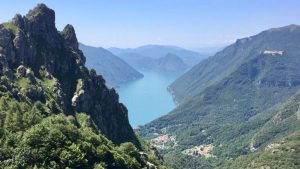
The sanctuary can be reached both on foot, via the path that climbs from Cressogno to Cima di Porlezza, and by car. Parking is available in the immediate vicinity of the sanctuary. The pedestrian path winds through a distinctive rocky landscape, hence the name of the sacred site.
Gallery