Description
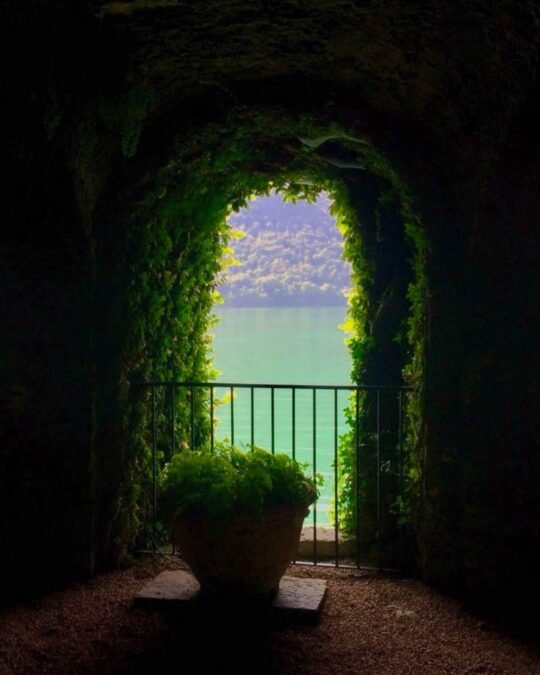
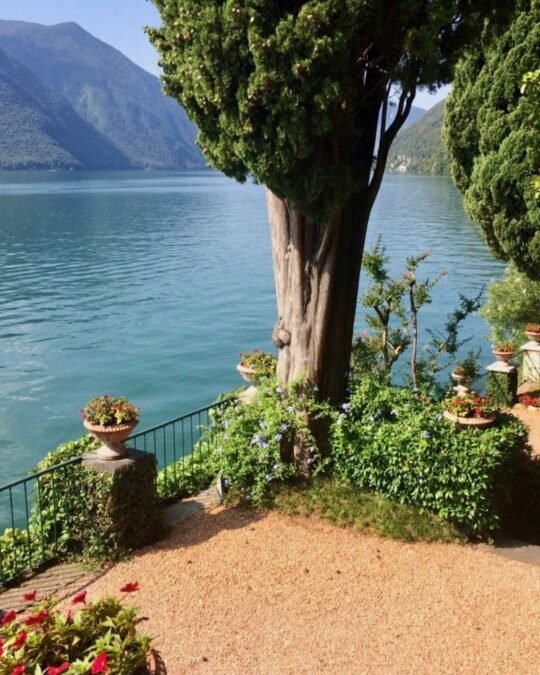
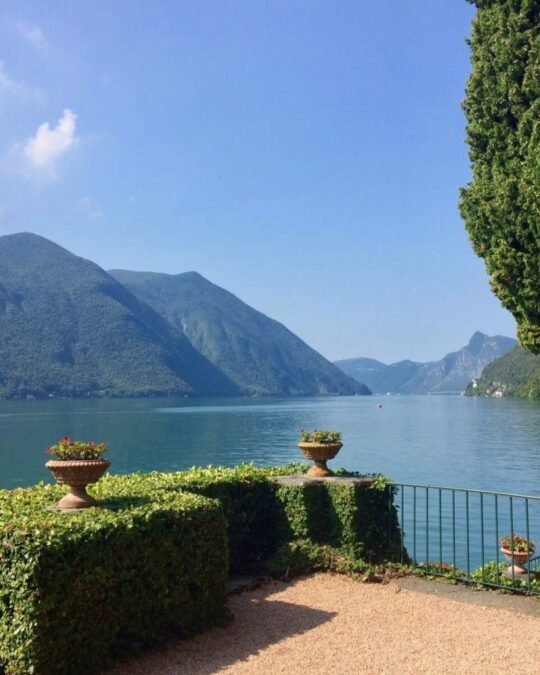
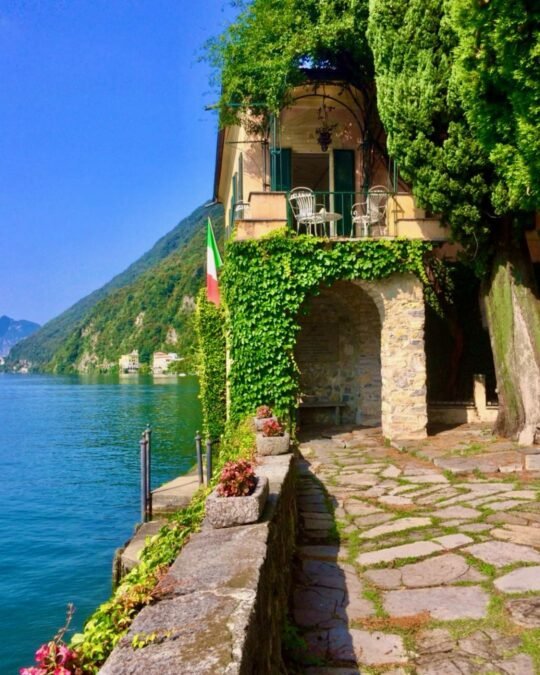
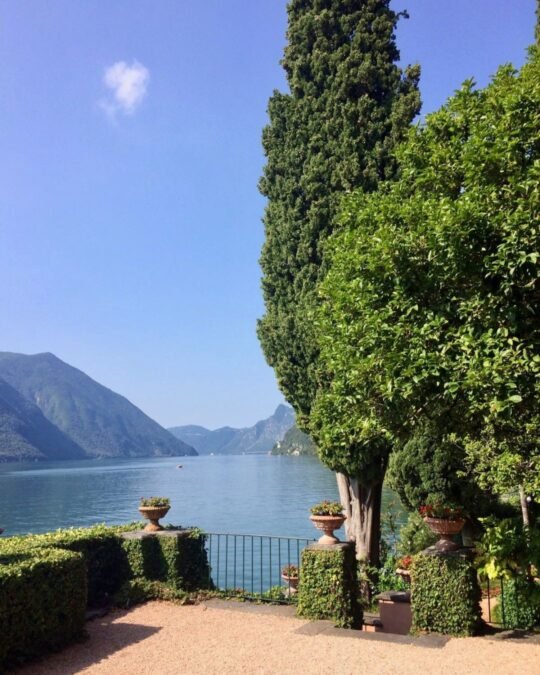
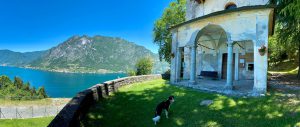
In Oria, a small village on the Como shores of the Lake Ceresio, time seems to have stood still, the places impervious to the passing of the centuries and the transformations of the territory; it is here that Antonio Fogazzaro spent long periods of his life, in the villa that today bears his name: Villa Fogazzaro, which inspired him to write his most famous novel, "Piccolo mondo antico," considered his masterpiece and published in 1896.
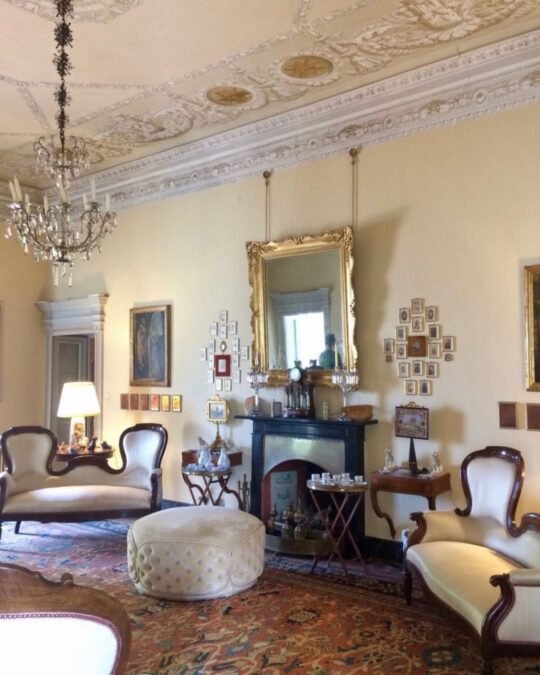
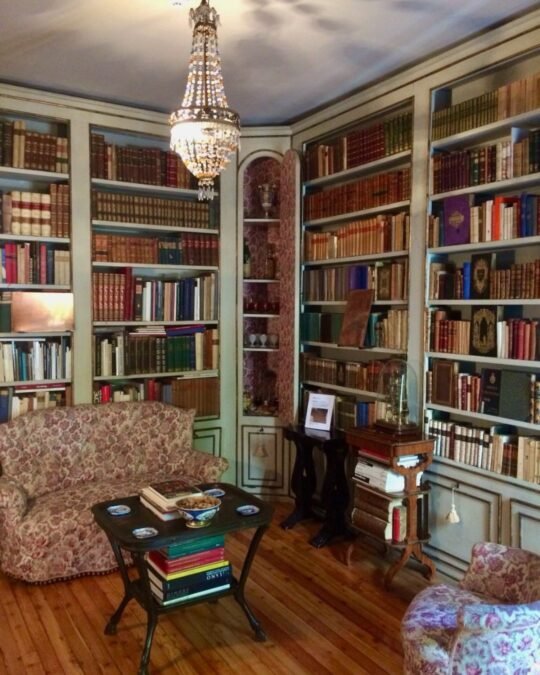
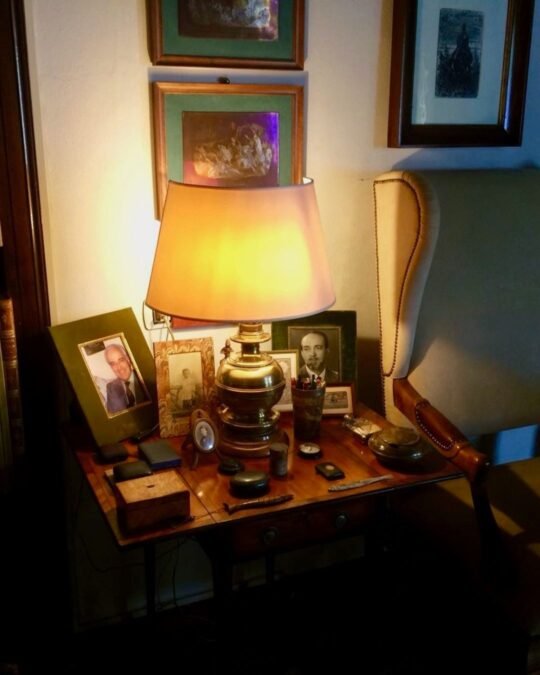
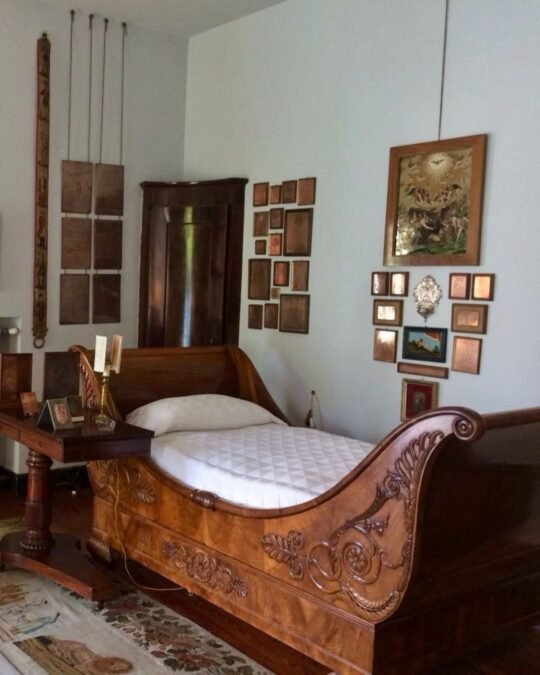
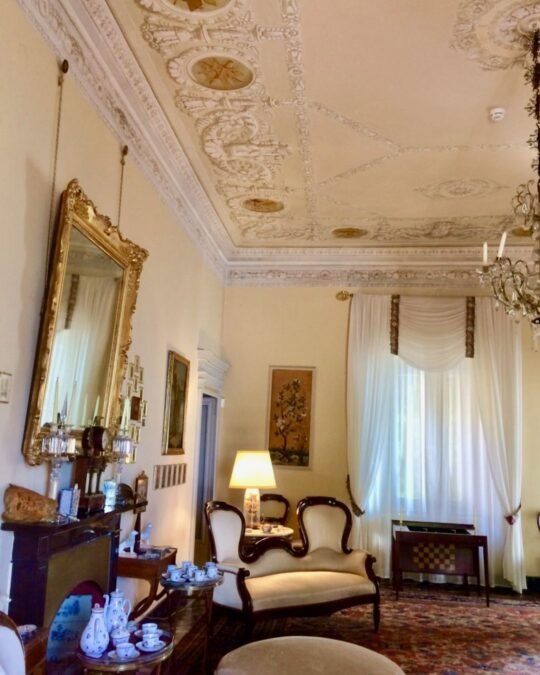
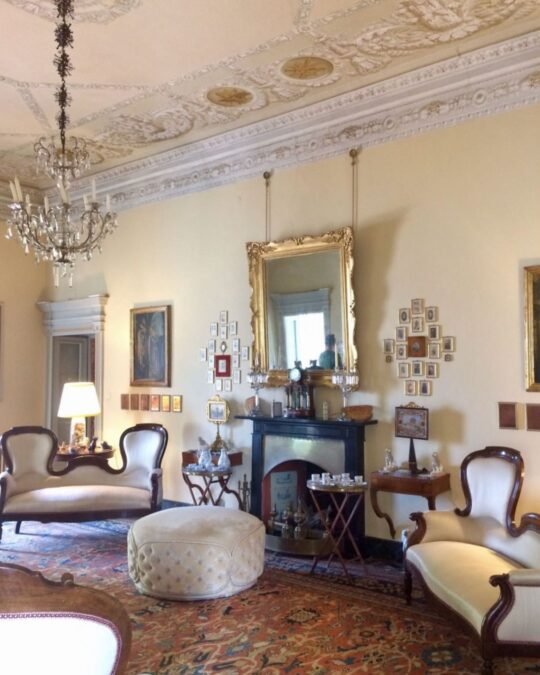
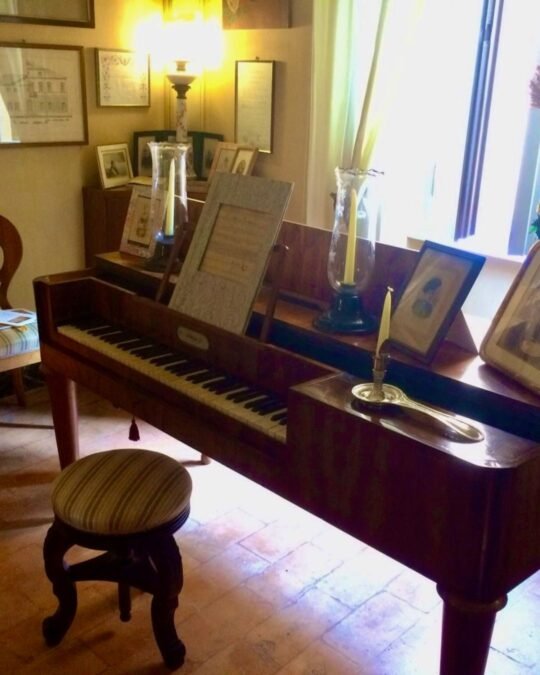
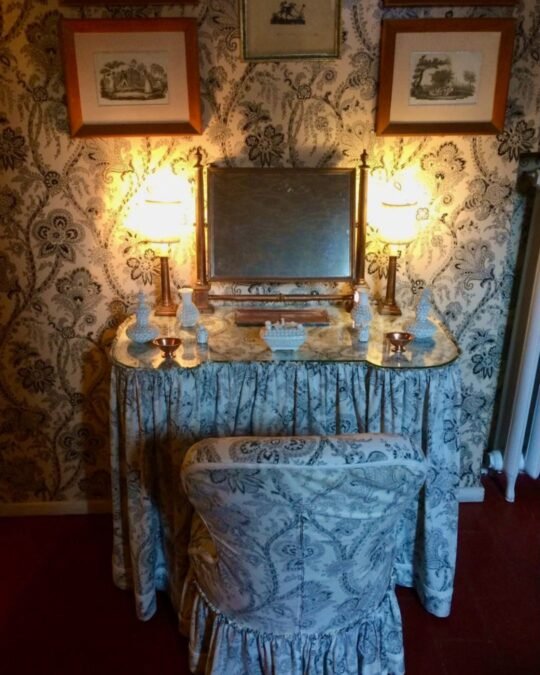
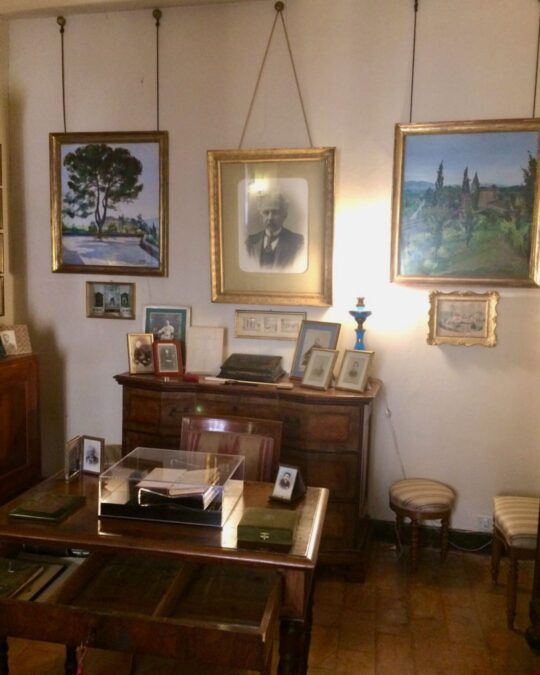
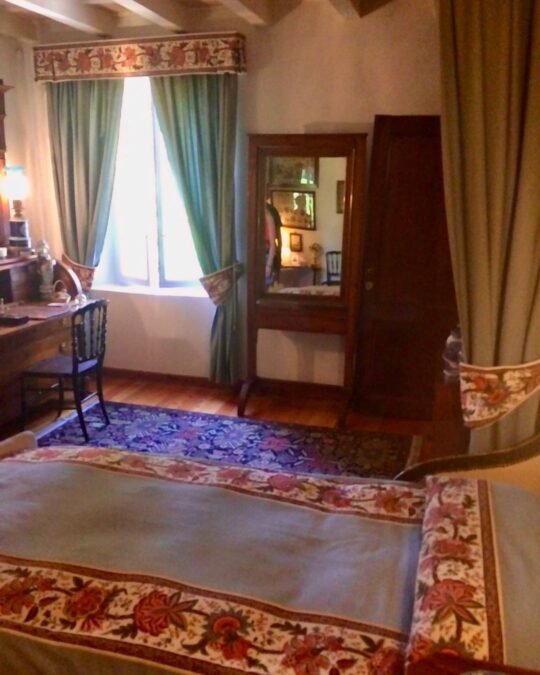
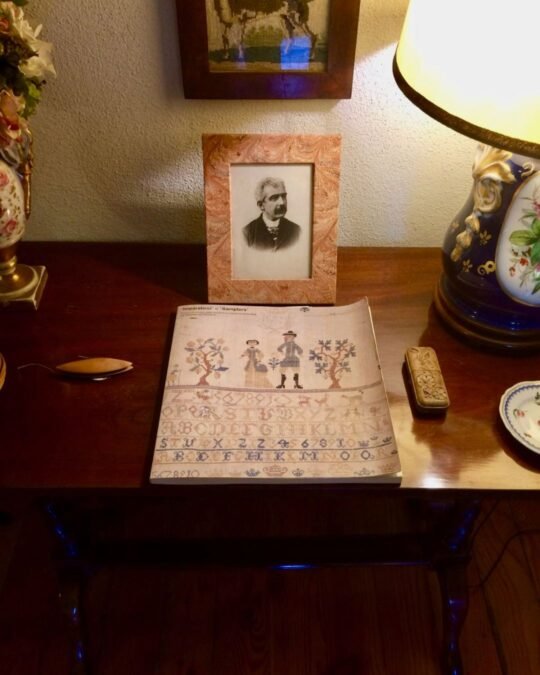
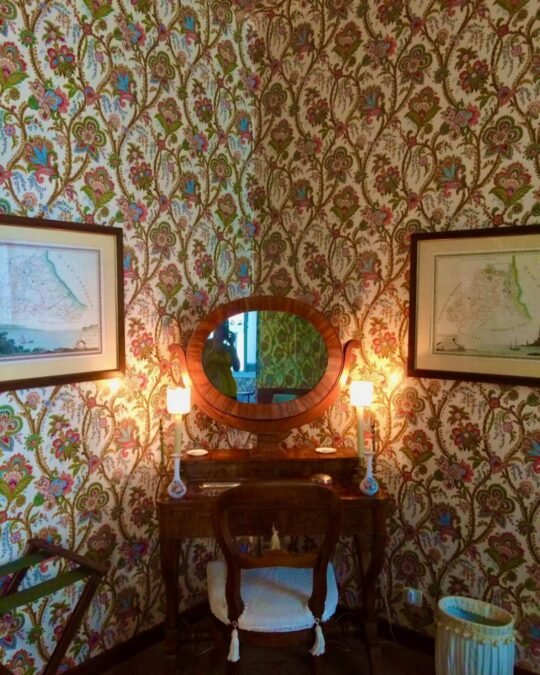
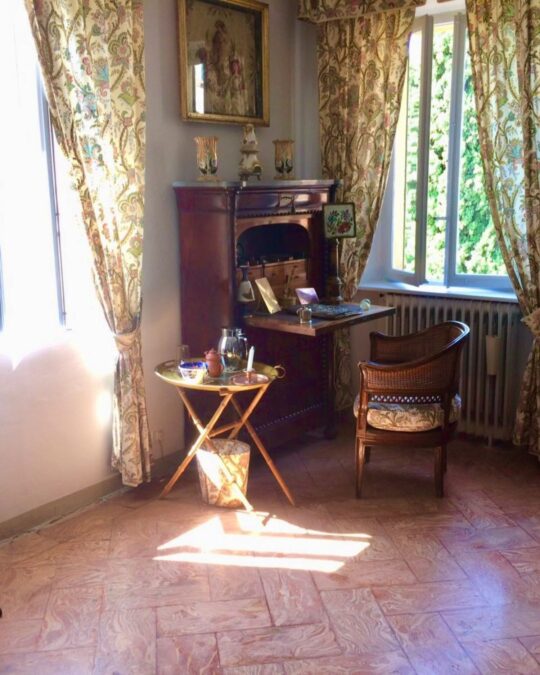
Today, the Villa offers a wonderful journey into the small, bourgeois world of the late nineteenth century, set in a charming corner of Lombardy, so beloved by Antonio Fogazzaro, one of Italy's greatest writers. That same intimate, family atmosphere that served as the backdrop to the story of Franco and Luisa Maironi, protagonists of the celebrated novel "Piccolo Mondo Antico," has survived unchanged to this day, thanks to Marquis Giuseppe Roi, the writer's great-grandson, who renovated it in the mid-twentieth century, tastefully furnishing every room and, in 2009, donated the entire villa to the FAI (Italian Environment Fund) so that it would not be lost after his death.
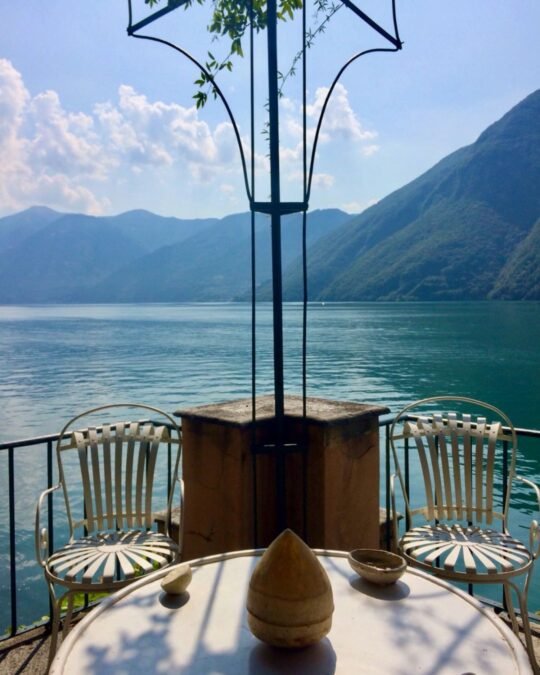
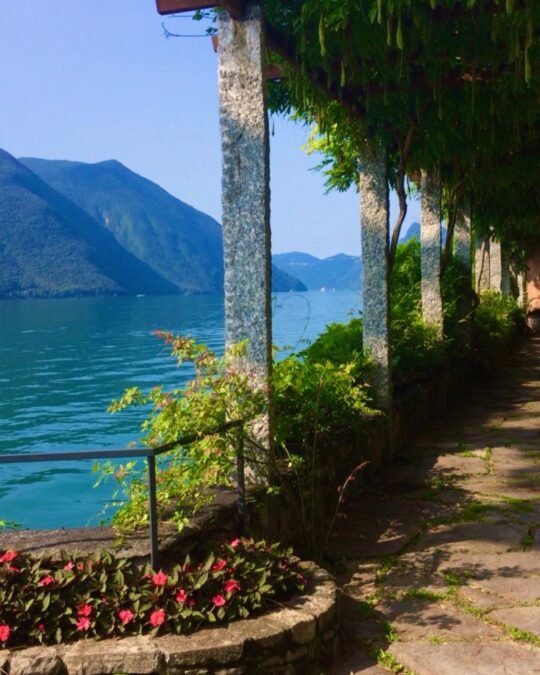
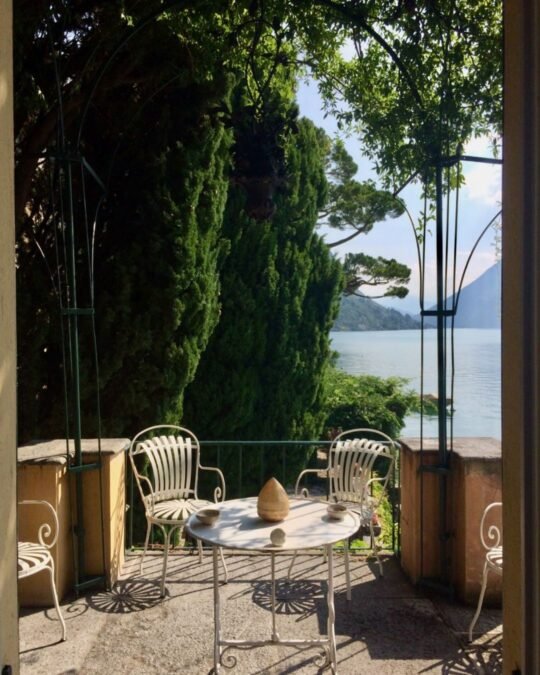
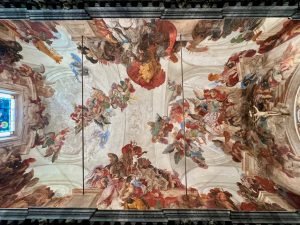
Literary inspiration still reigns throughout, from the study with the writer's personal memoirs to the library, from the Siberia room, the heart of the house so named for its proximity to the loggia, which made it the most difficult room to heat, to the dining room, up to the frescoed gallery and the private dock, the place where, in the book, little Ombretta's tragic death occurred.
2026 Calendar
Openings: April to November, Wednesday-Sunday · December on weekends.
Special Events 2026
| Month | Events |
|---|---|
| April | 19 — Walk in Valsolda ** |
| May | 1 — Picnic in the Garden ** 5 — Behind the doors, inside the drawers 31 — I'll tell you about the Marquis |
| June | Every Saturday — Visit and breakfast with a lake view * 7 — Behind the doors, inside the drawers 21 — Walk in Valsolda ** 28 — I'll tell you about the Marquis |
| July | Every Saturday — Visit and breakfast with a lake view * 11, 18, 25 — Picnic in the Garden ** |
| August | Every Saturday — Visit and breakfast with a lake view * 1, 8, 15 — Picnic in the Garden ** 30 — Walk in Valsolda ** |
| September | Every Saturday — Visit and breakfast with a lake view * 27 — I'll tell you about the Marquis |
| October | FAI Autumn Days 4 — Behind the doors, inside the drawers 25 — I'll tell you about the Marquis |
| November | 1 — Behind the doors, inside the drawers 29 — I'll tell you about the Marquis |
* Check online calendar for availability · ** Available by reservation only
Information and reservations: faifogazzaro@fondoambiente.it · +39 0344 536602 · villafogazzaroroi.it
Curiosity


In 1941, the garden and the Siberia hall were used as the setting for the film “Piccolo Mondo Antico” by Mario Soldati, based on the novel of the same name by Antonio Fogazzaro, starring Alida Valli and a newcomer Massimo Serato.
In 2001, the novel Piccolo mondo antico was again adapted for television under the direction of Cinzia T.H. Torrini. The cast includes Alessandro Gassmann as Franco Maironi, Claudia Pandolfi as Luisa Rigey, Virna Lisi as Marchesa Orsola Maironi, and Renato Carpentieri as Uncle Piero. The film, divided into two 100-minute episodes, offers a faithful transposition of Fogazzaro's work, respecting its main themes and historical setting.
Watch the movie: